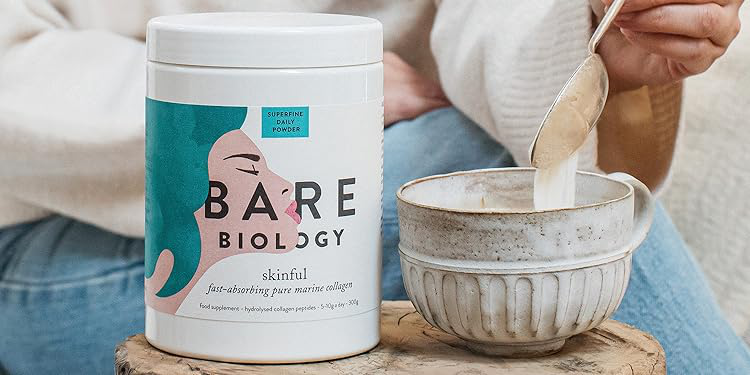
Collagen is flying off the shelves and in support of our new hero ‘must have’ here are our top tips to make sure you are getting the best out of your investment. Our hero collagen supports skin elasticity, joint health, hair and nail strength, and even gut integrity.
Collagen
Top tips to boost collagen absorption
Here are our tips and best ways to boost collagen absorption and effectiveness.
Understand Collagen Bioavailability
Collagen is a protein, and like all proteins, it must be broken down into amino acids and peptides to be absorbed. This is where ‘bioavailability’ comes in, the measure of how much your body can actually use.
Look for ‘hydrolysed’ collagen peptides (also called collagen hydrolysate) on your supplement label. These are pre-broken down for easier absorption and are considered the most bioavailable form.
Take Collagen with Healthy Fats
Collagen is water-soluble but pairing it with healthy fats can enhance nutrient uptake overall. Think of it like this: many of the nutrients that support collagen production (like vitamin A and E) are fat-soluble.
Try blending your collagen powder into a bulletproof-style coffee with coconut oil or grass-fed butter or stir it into an almond milk latte for a creamy, nutrient-packed start to your day.
Add Collagen to Your Morning Coffee
Coffee levelled up! add collagen to your morning coffee and in fact, morning is an ideal time to take collagen, as your digestive system is primed to absorb nutrients.
Most collagen peptides are heat-stable, meaning they won’t break down in hot liquids. Just make sure your collagen is from a high-quality source with no artificial additives. Pro tip: To avoid clumps, use a sauce whisk
Collagen and Vitamin C
Vitamin C is essential for collagen synthesis. Without it, your body can’t form or store collagen properly.
Boost your results by pairing your collagen with a squeeze of lemon in water, or with a big handful of berries, or a vitamin C supplement for extra support
This simple addition helps your body produce its own collagen more effectively while making the most of the collagen you’re supplementing.
Know When (and How Much) to Take
Your body can absorb collagen best in smaller, consistent doses rather than one large scoop. Around 5-10 grams per day is effective for most people.
Timing tips:
Morning: Pairs well with your coffee or smoothie Empty stomach: Some find it absorbs better this way Before bed: May support overnight tissue repair
Choose what fits into your routine, consistency is key.
Support Collagen Naturally
Your supplement works best when your lifestyle supports collagen health too. Here’s how:
Stay hydrated Eat protein-rich foods (like eggs, beans, and fish) Minimise sugar and ultra-processed foods Get plenty of zinc and copper from whole foods
And remember, collagen levels decline naturally with age so supplementation is especially helpful after your mid-30s.
Conclusion
We hope you enjoyed our top tips. Collagen isn’t just a beauty trend it’s a vital building block for your body. But to really see and feel the benefits, how you take it matters. By combining collagen with healthy fats, vitamin C, and consistent timing, you will seee and feel the benefits.
Hair thinning during menopause is a common and annoying symptom for many women. As hormone levels shift — particularly the decline in oestrogen and progesterone — hair can become finer, sparser, or shed more easily. We take a look at good nutritional support, that makes it possible to nourish your hair from within and encourage natural regrowth.
What Causes Hair Thinning in Menopause?
Menopausal hair thinning is usually linked to hormonal fluctuations, especially a decrease in oestrogen and an increase in androgens like DHT (dihydrotestosterone)1. DHT can shrink hair follicles, making hair thinner and stalling new growth.
Other factors like stress, nutrient deficiencies, and slower collagen production can also impact hair texture, volume, and growth speed.
Top Natural Supplements and Remedies for Menopausal Hair Thinning
1. Biotin
Biotin (vitamin B7) plays a key role in producing keratin2 — the main structural protein of your hair. It also helps convert fats into natural scalp oils that nourish hair strands from the root. Biotin deficiency is rare, but taking a supplement may improve hair strength and reduce breakage during hormonal shifts.
2. Saw Palmetto
Saw palmetto is a botanical extract known to block DHT, the hormone linked to hair follicle miniaturisation. By naturally reducing DHT levels, saw palmetto may help preserve hair density and prevent further shedding.
3. Collagen
Collagen supports the strength and elasticity of your skin — including the scalp — and forms the amino acid building blocks needed for healthy hair. With age, Collagen production declines, so supplementing can help improve hair thickness and overall skin integrity.
We reccomend Ancient + Brave True Collagen premium Type 1 hydrolysed bovine collagen peptides. Clinically researched, easily digestible, and highly absorbable for glowing skin, strong hair, and healthy joints.
4. Pumpkin Seed Oil
Pumpkin seed oil is packed with zinc and plant sterols that also help block DHT. It’s shown promise in small studies for promoting hair growth, especially in areas like the crown. Plus, it supports hormone balance — critical during menopause.
5. Fish Oil
Rich in omega-3 fatty acids, fish oil helps reduce scalp inflammation and may promote the anagen (growth) phase of the hair cycle. It supports scalp hydration and follicle nourishment, encouraging healthier and possibly thicker hair.
Castor oil is a rich source of ricinoleic acid, known for improving circulation and nourishing the scalp. Applying castor oil topically may stimulate dormant follicles, reduce dryness, and support thicker, shinier strands.
How to use: Massage into the scalp 2–3 times per week, leave on for 30–60 minutes (or overnight), then wash out thoroughly.
7. Ashwagandha
Ashwagandha is a powerful adaptogen that helps regulate cortisol, the stress hormone. High cortisol levels are often linked to hair shedding, particularly during menopause. By calming the body’s stress response, ashwagandha can indirectly support a healthier hair growth cycle.
8. Rhodiola
Like ashwagandha, Rhodiola is an adaptogen that helps the body adapt to physical and emotional stress. It supports energy, stamina, and hormone balance — all important for maintaining hair health during menopause.
9. B-Complex Vitamins
A full B-complex provides a spectrum of B vitamins — including biotin, B12, folate, and riboflavin — all of which are essential for healthy hair follicles and energy metabolism. These vitamins help the body deal with hormonal changes and can prevent deficiencies that impact hair strength.
We recommend Pure Encapsulations B Complex Plus – a powerful blend of B vitamins in one convenient supplement with active forms for optimal absorption.
10. Zinc
Zinc is vital for cell repair, immune function, and hormone regulation. It also supports the growth and maintenance of healthy hair follicles3, making it a must-have for women experiencing menopausal hair thinning.
11. Silica
Silica helps transport nutrients to hair follicles and is often called a “beauty mineral” for its role in strengthening hair, nails, and skin. It also supports collagen synthesis, making it an ideal partner to collagen supplements for optimal results.
Natural Hair Support Starts from Within
While menopause may bring on changes in hair density and texture, the right combination of natural supplements, scalp care, and stress support can make a meaningful difference. Consider incorporating a few of these remedies into your routine to support your hair’s health through every stage of midlife and beyond.
Final Tips for Menopausal Hair Care:
Eat a nutrient-rich diet (focus on protein, healthy fats, and antioxidant-rich foods).
Stay hydrated to support skin and scalp health.
Use gentle, natural hair care products — avoid sulphates and harsh dyes.
Be patient — it can take 2–3 months to see visible results from supplements.
Maintaining healthy joints is essential for mobility, flexibility, and overall quality of life. Whether you’re dealing with age-related wear and tear, an active lifestyle, or joint discomfort, taking the right supplements and eating the best foods in your routine can make a difference. Let’s have a look at the best joint supplements and foods to support joint health, reduce inflammation, and improve mobility.
Why Joint Health Matters
Joints connect bones and allow movement. Over time, joints can suffer from cartilage degradation, inflammation, or stiffness due to aging, injury, or conditions like arthritis. Supporting your joints with proper nutrition and supplementation helps reduce pain, enhance flexibility, and prevent further damage.
Top Joint Supplements for Healthy Joints
Glucosamine
A natural compound found in cartilage, glucosamine supplements may help rebuild cartilage and reduce joint pain, especially in osteoarthritis.
Pure Encapsulations Glucosamine Sulfate, MSM with Ginger & Turmeric provides a targeted and complementary blend of glucosamine, MSM, ginger and turmeric. Featuring glucosamine sulfate, the most active form of glucosamine. Formulated with OptiMSM a well-studied, high-quality form of MSM (methylsulfonylmethane). With standardised extracts of ginger and turmeric to ensure quality and potency.
Chondroitin
Often paired with glucosamine, chondroitin helps maintain cartilage structure and prevent breakdown. Studies suggest it can reduce pain and improve joint function.
Omega-3 Fatty Acids (Fish Oil)
Omega-3s have strong anti-inflammatory properties. Regular intake can reduce joint stiffness and inflammation, making them ideal for arthritis sufferers.
Turmeric (Curcumin)
Curcumin, the active ingredient in turmeric, fights inflammation and oxidative stress. It may ease joint pain and improve mobility.
MSM (Methylsulfonylmethane)
MSM supports joint structure and reduces inflammation, often used to relieve pain and improve joint flexibility.
Collagen Peptides
Collagen is a key protein in cartilage. Supplementing with collagen peptides may help improve joint pain and cartilage health.
Revive active Joint Complex Supports Cartilage, Bones, Connective Tissue, Muscle Function and created to deliver multiple benefits in one easy powdered sachet that you can mix into water
Vitamin D
Vitamin D supports bone health and immune function. Deficiency is linked to joint pain and weakness, so maintaining optimal levels is important.
Boswellia Serrata
An herbal extract known for anti-inflammatory effects, Boswellia can help reduce joint pain and improve function.
Best Foods for Joint Health
Eating a balanced diet rich in certain nutrients can naturally support joint health and reduce inflammation.
Fatty Fish Salmon, mackerel, sardines, and trout are high in omega-3 fatty acids, which reduce inflammation and joint pain.
Leafy Greens Spinach, kale, and Swiss chard are packed with antioxidants, vitamins C and K, which protect cartilage and reduce inflammation.
Nuts and Seeds Walnuts, flaxseeds, and chia seeds are excellent plant-based sources of omega-3s and antioxidants.
Berries Blueberries, strawberries, and raspberries contain antioxidants that combat inflammation and oxidative stress in joints.
Olive Oil Extra virgin olive oil has anti-inflammatory compounds that may reduce joint pain and stiffness.
Garlic and Onions These contain sulphur compounds and antioxidants that help fight inflammation and support joint health.
Bone Broth Rich in collagen, glucosamine, and chondroitin, bone broth supports cartilage repair and joint lubrication.
Citrus Fruits Oranges, lemons, and grapefruits provide vitamin C, vital for collagen formation and cartilage health.
Tips for Maximizing Joint Health
Stay Active: Low-impact exercises like swimming, yoga, and walking improve joint flexibility and strength.
Stay Hydrated: Water supports joint lubrication and nutrient transport.
Consult a Healthcare Practitioner: Before starting supplements, especially if you have medical conditions or take medications.
Conclusion
Combining the right joint supplements with a nutrient-rich diet can help you maintain strong, flexible, and pain-free joints. Incorporate omega-3 rich fish, antioxidant-packed fruits and veggies, and collagen-boosting foods while considering supplements like glucosamine, turmeric, and collagen peptides. Taking care of your joints today helps ensure mobility and comfort for years to come.
Collagen has quickly become one of the most popular supplements, commonly used to support the skin and complexion. At Naturobotanica we love collagen, not only for its skin support, but also for it’s support for the gut lining and tissue repair.
Collagen has become a staple in the daily routines of many from collagen coffees in the morning and smoothies. Let’s have a look at sourcing collagen, types, benefits, and considerations of powdered collagen peptides.
Sourcing: Nurturing Beauty from Within
The journey of collagen begins with its sourcing. Collagen, the most abundant protein in the human body, is primarily derived from animal connective tissues such as bones, skin, and cartilage. Traditional sources include bovine (cow), porcine (pig), and marine (fish) collagen.
When sourcing collagen, it’s important to prioritise quality and purity. Look for products sourced from grass-fed, pasture-raised animals, as they tend to yield collagen with higher nutritional value and fewer contaminants. Additionally, opt for products that undergo rigorous testing and third party testing for heavy metals, toxins, and allergens to ensure safety and efficacy.
Why We Use Powdered Collagen Peptides?
Powdered collagen peptides are great for their convenience, versatility, and good bioavailability. Unlike gelatine, which forms a gel-like consistency when mixed with liquid, collagen peptides dissolve effortlessly in both hot and cold beverages, making them easy to incorporate into daily routines.
Also collagen peptides undergo a process called hydrolyzation, wherein collagen molecules are broken down into smaller peptides. This enhances their absorption and bioavailability, allowing the body to reap maximum benefits. Whether stirred into your morning coffee, blended into a smoothie, or mixed into baked goods, powdered collagen peptides offer a seamless way to nourish your body from within.
Which Collagen is Best: Type I, II, or III?
Collagen is classified into different types based on its molecular structure and predominant sources. Among the various types, type I, II, and III collagen stand out for their unique properties and benefits.
Type I Collagen:
This form of collagen is found in the skin, bones, tendons, and ligaments. It provides structural support and elasticity to the skin, helping to maintain its firmness and suppleness. Type I collagen is often favoured for promoting youthful skin, reducing wrinkles, and strengthening hair and nails.
Planet Paleo Marine Collagen is an MSC-certified marine collagen powder sourced exclusively from sustainably caught wild fish. These neutral-tasting collagen peptides blend beautifully into coffee, smoothies and recipes and focuses on muscle and tissue repair.
Collagen is a highly bioavailable protein source. Protein supports muscle and bone maintenance. It’s a great source of specific amino acids lacking in standard diets.
Bare Biology skinful pure marine collagen with 5g of type I collagen, found in skin, hair, nails, muscles, joints and organs. A spoon a day supports the decline in natural collagen production from age 25 onwards. Unflavoured with no added ingredients, it’s super pure and easy to digest.
Type II Collagen:
Primarily present in cartilage, type II collagen plays a vital role in joint health and mobility. It helps cushion and lubricate the joints, promoting flexibility and reducing stiffness. Type II collagen is commonly used to alleviate joint pain, improve mobility, and support overall joint function.
Type III Collagen:
Found alongside type I collagen in the skin, blood vessels, and organs, type III collagen contributes to the integrity and elasticity of these tissues. It works synergistically with type I collagen to enhance skin firmness and resilience. Type III collagen is often used for improving skin and supporting vascular health.
Collagen supplements such as Planet Paleo Pure Collagen is a bovine collagen. And a great source of amino acids lacking in standard diets, such as glycine and proline, and is a great way to boost your recipes.
While each type of collagen offers distinct benefits, many collagen supplements contain a combination of type I, II, and III collagen to target multiple aspects of health and beauty comprehensively.
Using Your Collagen
Incorporating collagen into your daily routine is easy. Whether you prefer collagen powder, capsules, or fortified foods and beverages, there are many ways to enjoy its benefits.
For a convenient boost of collagen, add a scoop of powdered collagen peptides to your favourite beverages or recipes. Blend it into smoothies, stir it into soups or sauces, or mix it into yogurt or oatmeal for a nourishing treat. Check out our Paleo Pancakes recipe. Alternatively, opt for collagen-infused snacks such as protein bars or collagen-enhanced beverages for on-the-go indulgence.
To maximize absorption and efficacy, consume collagen supplements on an empty stomach or between meals. This allows for optimal digestion and absorption, ensuring that your body can utilize collagen’s building blocks effectively.
Absorption of Collagen
Upon ingestion, collagen peptides are broken down into amino acids and peptides, which are then absorbed into the bloodstream. These bioactive compounds travel throughout the body, where they exert their effects on various tissues and organs.
In the skin, collagen peptides stimulate fibroblast activity, promoting the synthesis of new collagen and elastin fibres. This leads to improved skin hydration, elasticity, and firmness, ultimately reducing the appearance of wrinkles and fine lines.
In the joints, collagen peptides help maintain cartilage integrity and reduce inflammation, thereby alleviating pain and stiffness associated with conditions such as osteoarthritis and rheumatoid arthritis.
In addition to its effects on the skin and joints, collagen peptides support overall musculoskeletal health by enhancing bone density, muscle mass, and strength. They also contribute to gut health by promoting the integrity of the intestinal lining and supporting digestive function.
Whole Body Benefits, gut health.
While collagen is often celebrated for its beauty-enhancing and strength-promoting properties, its benefits extend far beyond skin deep. From supporting gut health to boosting immune function, collagen plays a multifaceted role in maintaining overall vitality and well-being.
Gut Health: Collagen peptides help strengthen the gut lining, preventing leaky gut syndrome and reducing the risk of digestive disorders such as irritable bowel syndrome (IBS) and inflammatory bowel disease (IBD).
Immune Function: Collagen contains amino acids such as glycine and proline, which are essential for immune function and inflammation regulation. By supporting immune cell production and activity, collagen helps fortify the body’s defences against infections and illnesses.
Metabolic Health: Collagen peptides promote satiety and regulate appetite, making them a valuable ally in weight management and metabolic health. They also support healthy blood sugar levels and insulin sensitivity, reducing the risk of type 2 diabetes and metabolic syndrome.
Cardiovascular Health: Collagen contributes to the structural integrity of blood vessels, promoting cardiovascular health and reducing the risk of heart disease and stroke. It also supports circulation and oxygen delivery throughout the body, enhancing overall vitality and endurance.
How Long Will It Take to Work?
The timeline for experiencing the benefits of collagen supplementation varies depending on individual factors such as age, diet, lifestyle, and overall health status. While some individuals may notice improvements in skin elasticity and joint mobility within a few weeks, others may require several months to experience noticeable changes.
Consistency is key when it comes to collagen supplementation. To achieve optimal results, it’s essential to incorporate collagen into your daily routine and adhere to the recommended dosage consistently. Over time, the cumulative effects of collagen supplementation can lead to significant improvements in skin health, joint function, and overall well-being.
Getting the Dose Right: Finding Your Perfect Balance
Determining the appropriate dosage of collagen depends on various factors, including your age, weight, health goals, and the specific formulation of the supplement. As a general guideline, most collagen supplements recommend a daily dosage of 2.5-15 grams for results.
It’s important to start with a lower dosage and gradually increase it as needed, paying attention to any changes in your body’s response. Additionally, consult with a healthcare professional before starting any new supplement regimen, especially if you have pre-existing health conditions or are taking medications.
Links to Studies and Evidence
Studies have investigated the efficacy of collagen supplementation in promoting skin health, joint function, and overall well-being. Here are some key findings from recent research:
A study published in the Journal of Cosmetic Dermatology found that collagen supplementation led to significant improvements in skin elasticity, hydration, and texture, reducing the appearance of wrinkles and fine lines.
Research published in the International Journal of Medical Sciences demonstrated that collagen supplementation helped alleviate symptoms of osteoarthritis, including joint pain and stiffness, by promoting cartilage regeneration and reducing inflammation.
A systematic review published in Nutrients highlighted the potential benefits of collagen supplementation for gut health, noting its role in strengthening the gut lining and improving digestive function.
A meta-analysis published in the Journal of the American Medical Directors Association revealed that collagen supplementation was associated with improvements in muscle mass, strength, and physical performance, particularly in older adults.
These findings underscore the diverse benefits of collagen supplementation in promoting beauty, strength, and overall vitality, providing compelling evidence for its inclusion in daily wellness routines.
Conclusion
We love collagen! Gut health is so important and collagen offers great benefits for the body, inside and out. By sourcing high-quality collagen supplements, and using collagen consistently we can see great benefits. Try a collagen coffee or concoct your own smoothie!
The Best Nutrients & Supplements for Healthy Hair, Skin & Nails
Healthy, glowing skin, strong nails, and luscious hair aren’t just about what you put on the outside—they start from within. The right balance of vitamins, minerals, and essential nutrients can support your body’s natural processes, helping to maintain your beauty from the inside out. Here’s a look at some of the most important nutrients for hair, skin, and nails, and how you can incorporate them into your daily routine.
1. Collagen – The Skin’s Building Block
Collagen is the main structural protein in your skin, responsible for keeping it firm and elastic. As we age, collagen production naturally declines, leading to wrinkles and sagging. Supplementing with collagen can help replenish lost stores and support skin hydration and elasticity.
Recommended product:Zooki Collagen – Each 15ml sachet contains 5000mg of Hydrolysed Marine Collagen, as well as 30mg of Vitamin C to promote strong, healthy skin, hair, and nails.
2. Biotin – Essential for Hair & Nail Strength
Biotin, or vitamin B7, is a powerhouse for hair and nails. It helps the body metabolize amino acids, which are essential for keratin production—the protein that makes up hair and nails. A biotin deficiency can lead to brittle nails and hair thinning.
Recommended product:Pure Encapsulations Hair Skin Nails Ultra – Formulated with biotin, zinc, vitamin C, collagen, to nourish your hair, skin, and nails from the inside out.
3. Zinc – Vital for Skin Repair & Growth
Zinc plays an important role in cell growth and repair, making it essential for maintaining healthy skin. It also helps regulate oil production, which can reduce breakouts and inflammation.
Recommended product: Pure Encapsulations Zinc Supplement – A high-quality source of zinc to support skin healing and hair growth while strengthening nails.
4. Vitamin C – A Powerful Antioxidant
Vitamin C is important for collagen synthesis, helping to maintain firm, youthful skin. It also acts as an antioxidant, protecting against oxidative stress from pollution and UV exposure.
Recommended product:Zooki Vitamin C Watermelon Sachets – A convenient and delicious way to get your daily dose of vitamin C for optimal collagen production and skin protection.
Omega-3 and omega-6 fatty acids are essential for maintaining skin hydration, reducing inflammation, and improving elasticity. They also nourish the scalp, promoting healthy hair growth.
Recommended product:Bare Biology Omega 3 – With 860mg of EPA and 440mg of DHA, the two most important types of omega-3.
7. Antioxidants – Defense Against Aging & Damage
Antioxidants like astaxanthin and glutathione help protect the skin from damage caused by free radicals, slowing down the aging process and reducing signs of environmental stress.
Nourishing your hair, skin, and nails isn’t just about external care—it’s about providing your body with the right nutrients to support growth, repair, and protection. By incorporating these targeted supplements into your routine, you can enhance your natural beauty from within.
Explore more high-quality, science-backed beauty supplements at Naturobotanica to find the perfect additions to your self-care regime
REFs
[i] De Luca C et al. Skin Antiaging and Systemic Redox Effects of Supplementation with Marine Collagen Peptides and Plant-Derived Antioxidants: A Single-Blind Case-Control Clinical Study. Oxid Med Cell Longev. 2016;2016:4389410.
[ii] Inoue N, Sugihara F, Wang X. Ingestion of bioactive collagen hydrolysates enhance facial skin moisture and elasticity and reduce facial ageing signs in a randomised double-blind placebo-controlled clinical study. J Sci Food Agric. 2016;96(12):4077-81.
[iii] Inoue N, Sugihara F, Wang X. Ingestion of bioactive collagen hydrolysates enhance facial skin moisture and elasticity and reduce facial ageing signs in a randomised double-blind placebo-controlled clinical study. J Sci Food Agric. 2016;96(12):4077-81.
[iv] Murad et al Proc.Natl.Acad.Sci.USA 78(5)
[v] Boyera et al. Effect of vitamin C and its derivatives on collagen synthesis and cross-linking by normal human fibroblasts. Int J Cosmet Sci. 1998; 20 (3): 151-8.
Refs 2
[vi] Bender, D.A. (2011) Water-soluble vitamins. In: Geissler, C. and Powers, H. Human Nutrition. 12th edn. Elsevier, Edinburgh, pp199-224.
[vii] Jariashvili K et al. UV Damage of Collagen: Insights from Model Collagen Peptides. Biopolymers. 2012;97(3):189-198.
[viii] Bjørnboe et al. Effect of n-3 fatty acid supplement to patients with atopic dermatitis. J Intern Med Suppl. 1989; 225: 233-6.
[ix] Mayser, P., Grimm, H., Grimminger,F., n-3 fatty acids in psoriasis. British Journal of Nutrition 2002; 87 Suppl 1: S77-82.
[x] Landi G. Oral administration of borage oil in atopic dermatitis. J Appl Cosmetology 1993;11:115–20.
[xii] Rostan EF et al. Evidence supporting zinc as an important antioxidant for skin., Int J Dermatol. 2002;41(9):606-11
[xiii] Schwartz et al. Zinc and Skin Health: Overview of Physiology and Pharmacology. Dermatologic Surgery. 2005; 31: 837-47.
[xiv] Gupta M et al. Zinc therapy in dermatology: a review. Dermatol Res Pract. 2014;2014:709152.
[xv] Boyera et al. Effect of vitamin C and its derivatives on collagen synthesis and cross-linking by normal human fibroblasts. Int J Cosmet Sci. 1998; 20 (3): 151-8.
[xvi] Oe M, et al. Oral hyaluronan relieves knee pain: a review. Nutrition Journal. 2015;15:11.
[xvii] Oe M, et al O. Oral hyaluronan relieves wrinkles: a double-blinded, placebo-controlled study over a 12-week period. Clin Cosmet Investig Dermatol. 2017;10:267-273.
Beauty Boost? We take a look at some of the best beauty supplements and nutrients for hair, skin and nails
The beauty industry is huge and more vitamins and beauty supplements than ever are landing on our shop shelves. How to navigate the minefield? Which beauty supplements and vitamins work? And of course which are best for me. beauty supplements such as Hair, Skin and Nail supplements are made of the right nutrients that are beneficial for our bodies to effectively produce the right ‘structural’ proteins such as collagen and keratin. It is also important to look at absorption, the key to a good supplement.
Key nutrients for producing Collagen
Vitamin C
Essential Fatty Acids
Zinc
Hyaluronic Acid
Negative Factors Affecting Our Hair, Skin and Nails
smoking
high sugar diet
UV radiation
Low protein
Photo by Brooke Larke
Key nutrients for producing Collagen
Collagen is the most abundant protein in our body, comprising around 25-35% of the body’s protein. Collagen gives skin its integrity and elasticity, with its production reducing with age. The main amino acid in collagen production is glycine, found in animal protein, egg, fish, nuts and seeds.
Pre-formed Collagen
Beauty supplements now come in pre-formed collagen from foods such as organic bone broth and supplements containing marine collagen (sourced from fish).
Marine Collagen
Marine collagen, or the well-researched peptan form, mainly consists of type I collagen, which displays high resemblance with human collagen and is easily absorbed through the gut wall.[I]
Some studies have shown that collagen supplementation, especially one that is rich in type 1 collagen peptides, can improve skin elasticity, moisture,[ii] and potentially the appearance of wrinkles too.[iii]
Bare Biology skinful pure marine collagen
Refresh your skin’s collagen levels with our neutral tasting, super-fine powder that dissolves without trace in coffee and drinks. No added ingredients. Made from MSC certified sustainably sourced, wild Norwegian cod skin.
With 5g of type I collagen, found in skin, hair, nails, muscles, joints and organs, a spoon a day supports the decline in natural collagen production from age 25 onwards. Unflavoured with no added ingredients, it’s super pure and easy to digest. One pot lasts 2 months.
Bare biology recommends 5g (or 5000mg) a day, which is roughly a dessertspoon or three teaspoons. Some brands say you need at least 10g a day but our customers have reported benefits with 5g a day, which means a pot will last you 2 months. Just add it to coffee or a smoothie. Skinful isn’t damaged by heat and you’ll find lots of recipes on our site to try.
VITAMIN C
Vitamin C is important for collagen synthesis, increasing production by acting as a cofactor for hydroxylase enzymes which produce collagen.[iv],[v] Vitamin C is also a powerful antioxidant.[vi] and which can prevent and protect against UV damage, [vii]
ESSENTIAL FATTY ACIDS
Essential fats such as omega-3 and omega-6 are natural components of our cells and tissues such as skin, and are important as a structural component. A balance of these essential fats help the body with cell repair and fighting free radicals. Dietary sources include oily fish (such as salmon, mackerel, anchovies, sardines, and herring), chia seeds, flaxseeds, walnuts, and avocados. Low intakes of these foods can be associated with skin dryness [viii] [viiii]. The omega-6 Gamma Linolenic Acid (GLA) contributes to the maintenance of the normal structure, elasticity and appearance of the skin. It is not as easy to get from diet alone and supplementation may be beneficial for people who would like to improve their skin health. [x],[xi] . In supplements, GLA is sourced from evening primrose or Starflower oil.
ZINC
Zinc can support skin and hair integrity by strengthening the skin’s protective layer and is a cofactor for collagen synthesis.[xv].[xii] Sometimes referred to as a ‘mineral antioxidant’, due to its ability to reduce inflammation and encourage healing.[xiii] Zinc supports our immune system, therefore aiding the body to deal with allergic type skin conditions, such as eczema, acne and acne rosacea.[xiv] Zinc naturally comes from meat, shellfish, beans and pulses, and nuts and seeds.
HYALURONIC ACID
You may be lacking hyaluronic acid if you suffer from dry skin. It is a viscous substance found in different types of connective tissue, like skin and cartilage. It is also found in synovial fluid, helping to lubricate joints and reduce friction. In the skin, hyaluronic acid has a vital protective role in providing hydration.[xvi]It is located in the epidermis (the outermost layer of skin), which is involved in water regulation, controlling the amount of water released from the body. Supplementation of hyaluronic acid may reduce the appearance of wrinkles, and contribute to skin lustre and suppleness.[xvii]
BEAUTY COMPLEX MULTI’s
Pure Encapsulations Hair/Skin/Nails Ultra
Negative Factors affecting our Hair, Skin and Nails
Factors such as smoking, high sugar diet and UV radiation can affect collagen production, as well as potentially damaging collagen.
Low protein intake can also have significant impact on collagen synthesis, and therefore overall skin health
Additionally, factors such as stress and smoking can actively deplete vitamin C levels, increasing requirements further.
With reduced fruit and vegetable intake in western diet, vitamin C intake can often be lacking.
Upon prolonged exposure to sunlight, which can otherwise have a direct impact on skin health by promoting the breakdown of collagen.
REFERENCES
[i] De Luca C et al. Skin Antiaging and Systemic Redox Effects of Supplementation with Marine Collagen Peptides and Plant-Derived Antioxidants: A Single-Blind Case-Control Clinical Study. Oxid Med Cell Longev. 2016;2016:4389410.
[ii] Inoue N, Sugihara F, Wang X. Ingestion of bioactive collagen hydrolysates enhance facial skin moisture and elasticity and reduce facial ageing signs in a randomised double-blind placebo-controlled clinical study. J Sci Food Agric. 2016;96(12):4077-81.
[iii] Inoue N, Sugihara F, Wang X. Ingestion of bioactive collagen hydrolysates enhance facial skin moisture and elasticity and reduce facial ageing signs in a randomised double-blind placebo-controlled clinical study. J Sci Food Agric. 2016;96(12):4077-81.
[iv] Murad et al Proc.Natl.Acad.Sci.USA 78(5)
[v] Boyera et al. Effect of vitamin C and its derivatives on collagen synthesis and cross-linking by normal human fibroblasts. Int J Cosmet Sci. 1998; 20 (3): 151-8.
[vi] Bender, D.A. (2011) Water-soluble vitamins. In: Geissler, C. and Powers, H. Human Nutrition. 12th edn. Elsevier, Edinburgh, pp199-224.
[vii] Jariashvili K et al. UV Damage of Collagen: Insights from Model Collagen Peptides. Biopolymers. 2012;97(3):189-198.
[viii] Bjørnboe et al. Effect of n-3 fatty acid supplement to patients with atopic dermatitis. J Intern Med Suppl. 1989; 225: 233-6.
[ix] Mayser, P., Grimm, H., Grimminger,F., n-3 fatty acids in psoriasis. British Journal of Nutrition 2002; 87 Suppl 1: S77-82.
[x] Landi G. Oral administration of borage oil in atopic dermatitis. J Appl Cosmetology 1993;11:115–20.
[xi] Henz, Jablonska, et al (1999), Double-blind, multicentre analysis of the efficacy of borage oil in patients with atopic eczema. British Journal of Dermatology, 140: 685–688.
[xii] Rostan EF et al. Evidence supporting zinc as an important antioxidant for skin., Int J Dermatol. 2002;41(9):606-11
[xiii] Schwartz et al. Zinc and Skin Health: Overview of Physiology and Pharmacology. Dermatologic Surgery. 2005; 31: 837-47.
[xiv] Gupta M et al. Zinc therapy in dermatology: a review. Dermatol Res Pract. 2014;2014:709152.
[xv] Boyera et al. Effect of vitamin C and its derivatives on collagen synthesis and cross-linking by normal human fibroblasts. Int J Cosmet Sci. 1998; 20 (3): 151-8.
[xvi] Oe M, et al. Oral hyaluronan relieves knee pain: a review. Nutrition Journal. 2015;15:11.
[xvii] Oe M, et al O. Oral hyaluronan relieves wrinkles: a double-blinded, placebo-controlled study over a 12-week period. Clin Cosmet Investig Dermatol. 2017;10:267-273.
Privacy & Cookies: This site uses cookies. By continuing to use this website, you agree to their use.
To find out more, including how to control cookies, see here:
Cookie Policy
Subscribe to Blog via Email
Disclaimer
Information on this web site is provided for informational purposes only and is not intended as a substitute for the advice provided by your physician or other healthcare professional. You should not use the information on this web site for diagnosing or treating a health problem or disease, or prescribing any medication or other treatment.