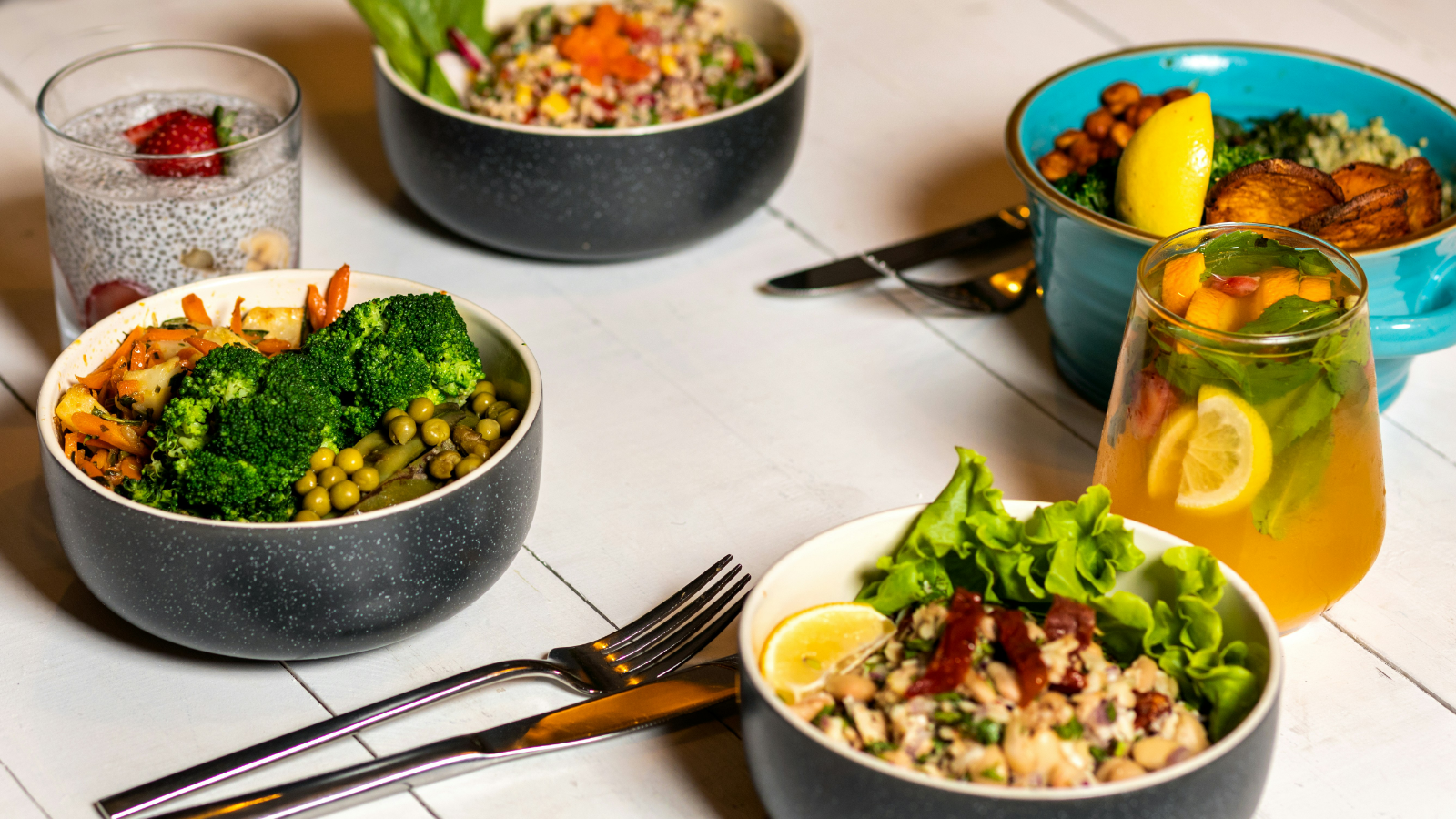
Collagen supplements are everywhere, and at Naturobotanica, we love collagen, its supports the gut. But here’s the truth: There are affordable Ways to Boost Collagen Naturally.
If collagen isn’t in your budget right now, try vitamin C with healthy fats and a protein boost. Let’s look at the details.
What Is Collagen—and Why Do We Need It?
Collagen is a protein that holds us together—literally. It gives structure to our skin, joints, bones, and even our gut lining. As we age, our natural collagen production slows down, which can lead to fine lines, sagging skin, and joint stiffness.
While high-quality collagen supplements can help, there are Affordable Ways to Boost Collagen Naturally. Your body can make its own collagen—it just needs the right building blocks.
1. Vitamin C
Vitamin C is essential for collagen synthesis. It acts as a co-factor, helping enzymes link amino acids together to form collagen.
Aim to eat vitamin C-rich foods daily—your skin will thank you.
2. Protein Power
Collagen is made from amino acids, the building blocks of protein. So, if you’re not eating enough protein, your body might not have what it needs to make collagen.
Budget-friendly protein sources:
Eggs
Chicken or turkey
Lentils, beans, and chickpeas
Greek yogurt
Tofu and tempeh
Try to include a source of protein with each meal. It’s one of the most effective (and affordable) ways to support your skin, joints, and overall health.
Healthy fats support skin elasticity and reduce inflammation—two key factors in maintaining collagen and keeping skin supple.
Top sources of healthy fats:
Oily fish like salmon and mackerel
Avocados
Chia seeds and flaxseeds
Walnuts
If oily fish isn’t your thing, consider a high-quality fish oil supplement like Bare Biology. Their omega-3 oils are pure, sustainably sourced, and easy to digest—ideal for glowing skin and healthy joints.
4. Hydrate. Lots.
Affordable Ways to Boost Collagen Naturally means water! Your skin can’t be plump and glowing without proper hydration. Water supports all cellular processes, including collagen production.
Tips to stay hydrated:
Aim for 6–8 glasses of water a day
Infuse water with cucumber, mint, or citrus for extra flavour
Sip herbal teas throughout the day
Dehydration can make skin appear dull and tired—something even the best collagen powder can’t fix.
5. Eat a Balanced, Colourful Diet
A wide variety of whole foods provides antioxidants, vitamins, and minerals like zinc and copper—key players in collagen formation.
Include:
Leafy greens
Colourful fruits and veg
Nuts and seeds
Whole grains
Lean proteins
The more colourful your plate, the more skin-loving nutrients you’re getting.
Concluding Collagen, the Natural Way
I can’t afford a collagen supplement at the moment, will my skin suffer?
A balanced diet with plenty of whole foods such as fruit, fish, chicken, eggs, veg, yogurt, nuts and water is the key to natural collagen production.
What supplements can I take as a collagen alternative?
Vitamin C, and a good quality fish oil supplement with your meals.
I am worried about my gut health? Isn’t collagen the best option?
Glutamine is also an option for gut health, and gut lining repair. Good sources of glutamine are found in fish and seafood.
How much vitamin C do I need for collagen production?
It depends on how much your body will aborb. Never taken Vitamin C? try a small dose of 250mg, a seasoned vitamin taker? Around 1000mg, you can also get time release vitamin C
Anything else I can do for collagen production?
Sleep, and take time to relax. Relax guilt free.
You don’t need expensive powders to support your skin and joint health. A nutrient-rich diet with plenty of vitamin C, protein, healthy fats, and water can go a long way in supporting your body’s natural collagen production.
Looking for clean, effective supplements to support your wellness journey? Explore our Naturobotanica shop for omega-3s, wholefood vitamins, and natural support for glowing skin from within.
Glutathione and vitamin C are two powerful antioxidants that support overall health, boost the immune system, and promote radiant skin. While each of these nutrients provides remarkable benefits on its own, they work even better together, enhancing each other’s effectiveness. In this article, we will explore what glutathione and vitamin C are, how they work synergistically, and their combined health benefits.
What is Glutathione?
Glutathione is a potent antioxidant naturally produced in the body. It plays a crucial role in detoxification, immune function, and cellular repair. Composed of three amino acids—glutamine, glycine, and cysteine—glutathione neutralizes harmful free radicals and reduces oxidative stress1. It is often referred to as the “master antioxidant” because it helps regenerate other antioxidants like vitamin C and vitamin E.
However, glutathione levels can be depleted due to factors such as aging, poor diet, stress, pollution, and certain medical conditions.
What is Vitamin C?
Vitamin C, also known as ascorbic acid, is a water-soluble vitamin and an antioxidant. It is essential for collagen synthesis, immune function, and the protection of cells from oxidative damage2. Since we can’t produce vitamin C on our own, it must be obtained through diet or supplementation.
Foods rich in vitamin C include citrus fruits, bell peppers, strawberries, kiwi, and leafy greens. Supplementing with vitamin C is often recommended for individuals who struggle to get enough from their diet.
How Do Glutathione and Vitamin C Work Together?
Glutathione and vitamin C complement each other in several ways3, levelling up their effectiveness in the body:
Regeneration of Antioxidants – Vitamin C helps regenerate oxidized glutathione, ensuring that the body maintains adequate levels of this crucial antioxidant.
Increased Glutathione Levels – Studies suggest that vitamin C supplementation can increase glutathione levels by promoting its production and recycling within cells.
Enhanced Detoxification – Both antioxidants support liver function by helping to eliminate toxins and heavy metals from the body.
Reduced Oxidative Stress – Together, they combat free radicals more efficiently, reducing cellular damage and supporting overall wellness.
Health Benefits of Combining Glutathione and Vitamin C
1. Stronger Immune System
Both glutathione and vitamin C are essential for immune defence. Vitamin C enhances the production of white blood cells, while glutathione supports immune cell function. Their combined effect strengthens the body’s ability to fight infections and diseases.
2. Brighter and Healthier Skin
Glutathione is widely known for its skin-brightening effects, as it inhibits melanin production, leading to a more even skin tone. Vitamin C further boosts collagen production, improving skin elasticity and reducing signs of aging such as wrinkles and fine lines.3
3. Improved Detoxification
The liver relies on glutathione for detoxification processes, and vitamin C enhances its function by helping neutralize toxins. This combination is particularly beneficial for people exposed to high levels of pollution, alcohol, or unhealthy diets.4
4. Enhanced Energy Levels
Glutathione supports mitochondrial function, which is essential for energy production at the cellular level. Vitamin C contributes by reducing oxidative stress, ensuring that cells can efficiently generate energy.5
5. Brain Health and Cognitive Function
Oxidative stress is linked to cognitive decline and neurodegenerative diseases such as Alzheimer’s and Parkinson’s. By reducing free radical damage, glutathione and vitamin C help protect brain cells and support cognitive function.6
6. Heart Health
Both antioxidants help reduce inflammation and oxidative stress, key contributors to cardiovascular diseases. They also support healthy blood vessel function, reducing the risk of high blood pressure and atherosclerosis.7
How to Take Glutathione and Vitamin C Together
To maximize the benefits of glutathione and vitamin C, consider the following tips:
Dosage: A common recommendation is 500-1000 mg of vitamin C and 250-500 mg of glutathione per day. However, consult a healthcare professional for personalized advice.
Timing: Taking vitamin C before glutathione may enhance absorption and effectiveness.
Form: Liposomal forms of glutathione are more bioavailable compared to regular oral supplements.
Diet: Eat a diet rich in vitamin C sources such as citrus fruits, bell peppers, and leafy greens to naturally support glutathione levels.
Conclusion
Glutathione and vitamin C are a dynamic duo when it comes to health and wellness. By working together, they enhance antioxidant protection, support immune function, promote radiant skin, and aid in detoxification. Whether through diet or supplementation, incorporating both nutrients into your daily routine can lead to long-term health benefits. If you’re looking for a natural way to boost your well-being, this powerful antioxidant combination is worth considering.
Hormones play a role in regulating many of our bodily functions, from metabolism and mood to reproductive health and energy levels. When hormones are out of balance, we tend to feel it! From fatigue to weight gain, mood swings, and irregular periods. Fortunately, there are natural ways to support hormonal balance, particularly when it comes to oestrogen regulation. A diet rich in cruciferous vegetables, healthy fats, and other hormone-supporting foods, along with targeted supplements, can help to balance your hormones naturally.
The Importance of Oestrogen Balance
Oestrogen is an important hormone for both men and women, though it is more predominant in female reproductive health. If oestrogen levels are out of balance symptoms include irregular periods, mood, and PMS.
Factors that contribute to oestrogen imbalance include:
Chronic stress
Poor liver function
Exposure to endocrine disruptors (e.g., plastics, pesticides, and chemical-laden personal care products)
Diet high in processed foods and low in fibre
Natural solutions such as dietary modifications, lifestyle changes, and supplements can support oestrogen metabolism and help restore balance.
Foods to Support Hormonal Balance
Cruciferous Vegetables
Cruciferous vegetables such as broccoli, contain compounds that aid in Balance Your Hormones oestrogen metabolism and detoxification, such as diindolylmethane (DIM).
Broccoli
Brussels sprouts
Kale
Cauliflower
Cabbage
Healthy Fats
Healthy fats are essential for hormone production and overall endocrine function.
Avocados
Olive oil
Coconut oil
Nuts and seeds (flaxseeds, chia seeds, walnuts)
Fatty fish (salmon, sardines, mackerel)
Other Balance Your Hormones Foods
Fibre-rich foods (whole grains, legumes, fruits, and vegetables) aid oestrogen metabolism.
Fermented foods (sauerkraut, kimchi, kefir, yogurt, miso) support gut health, and important for hormone balance.
Protein sources (eggs, grass-fed meats, tofu, beans, lentils) stabilize blood sugar and support hormone production.
Supplements for Hormonal Balance
While food is the first most important factor of hormone balance, supplements can provide additional support:
Myo-Inositol
A member of the B-vitamin family, myo-inositol supports insulin sensitivity, ovarian function, and hormone balance, especially beneficial for PCOS and menstrual regularity.1
Nutri Advanced Fem balance is a high-strength magnesium glycinate based formula designed specifically to support hormone balance and reproductive health in women. A unique combination of magnesium, myo-inositol, B vitamins, vitamins C and E and calcium. This combination of ingredients not only supports hormone balance, but also fertility, energy production and the nervous system.
Diindolylmethane (DIM)
Derived from cruciferous vegetables, DIM may support healthy oestrogen metabolism, and may reduce symptoms like bloating and heavy periods.
Pure Encapsulations DIM Ultra contains phytonutrients, milk thistle, lipoic acid and amino acids for advanced nutritional support. Broccoli sprout concentrate with a guaranteed level of sulforaphane. Provides silymarin, alpha lipoic acid and n-acetyl-l-cysteine. With the amino acids taurine, glycine and methionine.
Omega-3 Fatty Acids
Found in fish oil and flaxseeds, omega-3s reduce inflammation and brain health.
Bare Biology Omega 3 With 860mg of EPA and 440mg of DHA, the two most important types of omega-3. All made in the UK from sustainably sourced Norwegian fish oil, independently certified pure and fresh and with environmentally conscious packaging.
B Vitamins
B-complex vitamins, especially B6, B12, and folate, play essential roles in hormone regulation, energy production, and mood stabilization.2
Additional Lifestyle Tips for Hormonal Balance
Manage stress: Chronic stress increases cortisol levels, which can disrupt oestrogen, progesterone, and insulin balance. Live in the moment, find your peace, be it gardening doing a jigsaw, painting, yoga, and deep breathing.
Exercise regularly: Get in the routine of walking in the morning before breakfast, consider strength training, cardio, and yoga.
Improve sleep quality: Aim for 7-9 hours of sleep each night to help regulate cortisol and other hormones.
Reduce toxin exposure: Minimise exposure to endocrine disruptors by choosing organic produce when possible, using natural personal care products, and avoiding plastic containers for food storage.3
Conclusion
Balancing hormones naturally is a process that involves nutrient-rich foods, lifestyle modifications, and bioavailable supplements when needed. Be mindful to include cruciferous vegetables, healthy fats, fibre-rich foods, fermented foods, high-quality proteins into your diet. Key supplements to consider are inositol, DIM, omega-3s, and B vitamins. You can support oestrogen metabolism and overall hormonal health. Small, consistent changes can make a significant difference in restoring balance and promoting long-term well-being.
The Best Nutrients & Supplements for Healthy Hair, Skin & Nails
Healthy, glowing skin, strong nails, and luscious hair aren’t just about what you put on the outside—they start from within. The right balance of vitamins, minerals, and essential nutrients can support your body’s natural processes, helping to maintain your beauty from the inside out. Here’s a look at some of the most important nutrients for hair, skin, and nails, and how you can incorporate them into your daily routine.
1. Collagen – The Skin’s Building Block
Collagen is the main structural protein in your skin, responsible for keeping it firm and elastic. As we age, collagen production naturally declines, leading to wrinkles and sagging. Supplementing with collagen can help replenish lost stores and support skin hydration and elasticity.
Recommended product:Zooki Collagen – Each 15ml sachet contains 5000mg of Hydrolysed Marine Collagen, as well as 30mg of Vitamin C to promote strong, healthy skin, hair, and nails.
2. Biotin – Essential for Hair & Nail Strength
Biotin, or vitamin B7, is a powerhouse for hair and nails. It helps the body metabolize amino acids, which are essential for keratin production—the protein that makes up hair and nails. A biotin deficiency can lead to brittle nails and hair thinning.
Recommended product:Pure Encapsulations Hair Skin Nails Ultra – Formulated with biotin, zinc, vitamin C, collagen, to nourish your hair, skin, and nails from the inside out.
3. Zinc – Vital for Skin Repair & Growth
Zinc plays an important role in cell growth and repair, making it essential for maintaining healthy skin. It also helps regulate oil production, which can reduce breakouts and inflammation.
Recommended product: Pure Encapsulations Zinc Supplement – A high-quality source of zinc to support skin healing and hair growth while strengthening nails.
4. Vitamin C – A Powerful Antioxidant
Vitamin C is important for collagen synthesis, helping to maintain firm, youthful skin. It also acts as an antioxidant, protecting against oxidative stress from pollution and UV exposure.
Recommended product:Zooki Vitamin C Watermelon Sachets – A convenient and delicious way to get your daily dose of vitamin C for optimal collagen production and skin protection.
Omega-3 and omega-6 fatty acids are essential for maintaining skin hydration, reducing inflammation, and improving elasticity. They also nourish the scalp, promoting healthy hair growth.
Recommended product:Bare Biology Omega 3 – With 860mg of EPA and 440mg of DHA, the two most important types of omega-3.
7. Antioxidants – Defense Against Aging & Damage
Antioxidants like astaxanthin and glutathione help protect the skin from damage caused by free radicals, slowing down the aging process and reducing signs of environmental stress.
Nourishing your hair, skin, and nails isn’t just about external care—it’s about providing your body with the right nutrients to support growth, repair, and protection. By incorporating these targeted supplements into your routine, you can enhance your natural beauty from within.
Explore more high-quality, science-backed beauty supplements at Naturobotanica to find the perfect additions to your self-care regime
REFs
[i] De Luca C et al. Skin Antiaging and Systemic Redox Effects of Supplementation with Marine Collagen Peptides and Plant-Derived Antioxidants: A Single-Blind Case-Control Clinical Study. Oxid Med Cell Longev. 2016;2016:4389410.
[ii] Inoue N, Sugihara F, Wang X. Ingestion of bioactive collagen hydrolysates enhance facial skin moisture and elasticity and reduce facial ageing signs in a randomised double-blind placebo-controlled clinical study. J Sci Food Agric. 2016;96(12):4077-81.
[iii] Inoue N, Sugihara F, Wang X. Ingestion of bioactive collagen hydrolysates enhance facial skin moisture and elasticity and reduce facial ageing signs in a randomised double-blind placebo-controlled clinical study. J Sci Food Agric. 2016;96(12):4077-81.
[iv] Murad et al Proc.Natl.Acad.Sci.USA 78(5)
[v] Boyera et al. Effect of vitamin C and its derivatives on collagen synthesis and cross-linking by normal human fibroblasts. Int J Cosmet Sci. 1998; 20 (3): 151-8.
Refs 2
[vi] Bender, D.A. (2011) Water-soluble vitamins. In: Geissler, C. and Powers, H. Human Nutrition. 12th edn. Elsevier, Edinburgh, pp199-224.
[vii] Jariashvili K et al. UV Damage of Collagen: Insights from Model Collagen Peptides. Biopolymers. 2012;97(3):189-198.
[viii] Bjørnboe et al. Effect of n-3 fatty acid supplement to patients with atopic dermatitis. J Intern Med Suppl. 1989; 225: 233-6.
[ix] Mayser, P., Grimm, H., Grimminger,F., n-3 fatty acids in psoriasis. British Journal of Nutrition 2002; 87 Suppl 1: S77-82.
[x] Landi G. Oral administration of borage oil in atopic dermatitis. J Appl Cosmetology 1993;11:115–20.
[xii] Rostan EF et al. Evidence supporting zinc as an important antioxidant for skin., Int J Dermatol. 2002;41(9):606-11
[xiii] Schwartz et al. Zinc and Skin Health: Overview of Physiology and Pharmacology. Dermatologic Surgery. 2005; 31: 837-47.
[xiv] Gupta M et al. Zinc therapy in dermatology: a review. Dermatol Res Pract. 2014;2014:709152.
[xv] Boyera et al. Effect of vitamin C and its derivatives on collagen synthesis and cross-linking by normal human fibroblasts. Int J Cosmet Sci. 1998; 20 (3): 151-8.
[xvi] Oe M, et al. Oral hyaluronan relieves knee pain: a review. Nutrition Journal. 2015;15:11.
[xvii] Oe M, et al O. Oral hyaluronan relieves wrinkles: a double-blinded, placebo-controlled study over a 12-week period. Clin Cosmet Investig Dermatol. 2017;10:267-273.
In this article, we will explore eight nutrients that can help reduce inflammation.
Inflammation is a natural response of the body to protect itself against harmful stimuli, such as infections, injuries, or toxins.
However, chronic inflammation can lead to various health issues, including cardiovascular disease, diabetes, and autoimmune disorders. Diet plays a crucial role in managing inflammation, and there are several nutrients that have been studied for their potential to Reduce Inflammation.
1. Omega-3 Fatty Acids
Omega-3fatty acids are a type of polyunsaturated fat that has gained significant attention for their ability to Reduce Inflammation. They are found in fatty fish like salmon, mackerel, and sardines, as well as in flaxseeds, chia seeds, and walnuts. These fatty acids contain two key compounds, eicosapentaenoic acid (EPA) and docosahexaenoic acid (DHA), which have been shown to reduce inflammation by suppressing the production of inflammatory molecules called cytokines and prostaglandins (Calder, 2006).
A study published in the Journal of the American College of Nutrition found that omega-3 supplementation reduced inflammatory markers in individuals with rheumatoid arthritis, demonstrating its potential as an anti-inflammatory nutrient (Olendzki et al., 2016).
2. Curcumin
Curcumin is the active compound found in turmeric, a spice widely used in traditional medicine for its anti-inflammatory and antioxidant properties in order to Reduce Inflammation. Research suggests that curcumin can inhibit the activity of pro-inflammatory enzymes and reduce the expression of genes involved in inflammation (Aggarwal et al., 2007).
A meta-analysis published in the Journal of Medicinal Food concluded that curcumin supplementation significantly reduced markers of inflammation, making it a promising dietary component for managing inflammation-related conditions (Gan et al., 2018).
3. Green Tea Polyphenols
Green tea is rich in polyphenols, particularly epigallocatechin gallate (EGCG), which has been recognized for its anti-inflammatory effects. EGCG can modulate the inflammatory response by inhibiting the production of inflammatory molecules and promoting the activity of anti-inflammatory proteins (Singh et al., 2011).
A study published in the journal Biochemical Pharmacology found that EGCG reduced inflammation and tissue damage in experimental models of inflammatory diseases, highlighting its potential as a therapeutic nutrient (Ahmed et al., 2018).
4. Boswellia
Boswellia, also known as Indian frankincense, is a resin extracted from the Boswellia tree. It has a long history of use in traditional Ayurvedic medicine for its anti-inflammatory properties. The active compounds in boswellia, called boswellic acids, have been shown to inhibit pro-inflammatory enzymes and reduce the production of inflammatory molecules (Siddiqui, 2011).
A study published in the journal Phytomedicine found that boswellia extract reduced pain and improved joint function in individuals with osteoarthritis, underscoring its potential as a natural anti-inflammatory remedy (Siddiqui et al., 2011).
5. Ginger
Ginger is a versatile spice with a well-documented history of use in traditional medicine for its anti-inflammatory and digestive properties. Gingerol, the main bioactive compound in ginger, has been studied for its ability to reduce inflammation by inhibiting pro-inflammatory pathways (Grzanna et al., 2005).
Research published in the Journal of Medicinal Food suggests that ginger supplementation can reduce markers of inflammation in individuals with osteoarthritis, making it a valuable addition to an anti-inflammatory diet (Altman and Marcussen, 2001).
6. Quercetin
Quercetin is a flavonoid antioxidant found in various fruits, vegetables, and grains. It has been studied for its potential to reduce inflammation by inhibiting the production of inflammatory molecules and modulating immune cell activity (Zhang et al., 2015).
A study published in the American Journal of Clinical Nutrition demonstrated that quercetin supplementation reduced inflammation in individuals with a history of smoking, highlighting its role in mitigating inflammatory responses associated with tobacco use (Maggio et al., 2009).
7. Vitamin D
Vitamin D is a fat-soluble vitamin that plays a crucial role in immune function and inflammation regulation. Research has shown that vitamin D deficiency is associated with increased inflammation and a higher risk of inflammatory diseases (Bouillon et al., 2013).
A study published in the Journal of Clinical Endocrinology & Metabolism found that vitamin D supplementation reduced inflammatory markers in individuals with type 2 diabetes, emphasizing the importance of maintaining adequate vitamin D levels for inflammation management (Nikooyeh et al., 2016).
8. Resveratrol
Resveratrol is a natural polyphenol found in grapes, red wine, and certain berries. It has gained attention for its potential anti-inflammatory and antioxidant effects. Resveratrol can reduce inflammation by inhibiting pro-inflammatory molecules and activating anti-inflammatory pathways (Sahebkar, 2013).
A meta-analysis published in the journal Pharmacological Research suggested that resveratrol supplementation significantly reduced markers of inflammation in various clinical trials, highlighting its potential as an anti-inflammatory nutrient (Faghihzadeh et al., 2019).
Conclusion
Inflammation is a complex biological response that plays a crucial role in protecting the body from harm. However, chronic inflammation can contribute to various health issues. Incorporating anti-inflammatory nutrients into your diet can help manage inflammation and reduce the risk of related conditions.
Omega-3 fatty acids, curcumin, green tea polyphenols, boswellia, ginger, quercetin, vitamin D, and resveratrol are among the nutrients that have shown promise in Reduce Inflammation through various mechanisms. These nutrients can be obtained through dietary sources or supplements, but it’s essential to consult with a healthcare professional before making significant dietary changes or starting any new supplements, especially if you have underlying health conditions.
By incorporating these nutrients into a balanced diet and lifestyle, individuals can take proactive steps to support their overall health and well-being while reducing the impact of chronic inflammation.
1. Calder, P. C. (2006). n-3 polyunsaturated fatty acids, inflammation, and inflammatory diseases. The American Journal of Clinical Nutrition, 83(6 Suppl), 1505S-1519S.
2. Olendzki, B. C., Leung, K., Van Buskirk, S., & Reed, G. (2016). A systematic review of the use of an anti-inflammatory supplement in patients with rheumatoid arthritis. Journal of the American College of Nutrition, 35(6), 531-538.
3. Aggarwal, B. B., Sundaram, C., Malani, N., & Ichikawa, H. (2007). Curcumin: the Indian solid gold. Advances in Experimental Medicine and Biology, 595, 1-75.
4. Gan, R., Lui, W. Y., Wu, K., & Chan, C. L. (2018). Pros and cons of curcumin supplementation in clinical practice: A systematic review. Clinical Nutrition ESPEN, 24, 1-8.
It’s a Start: Healthy Start from the UK Government Provides Free Vitamins for Children and Pregnant Mums
Good nutrition is the foundation of a healthy life, especially during crucial periods such as pregnancy and childhood. Recognizing the importance of this, the UK government has taken a proactive with Free Vitamins for Children & step towards improving the health and well-being of its citizens by introducing the Healthy Start scheme. This initiative provides free vitamins to children and pregnant mothers, aiming to bridge nutritional gaps and promote a healthier start for the youngest members of society.
The Healthy Start scheme is a testament to the government’s commitment to tackling health disparities and ensuring that every child has the opportunity to thrive. It specifically targets pregnant women, new mothers, and children under the age of four who come from families with lower incomes. By providing free vitamins, the government is acknowledging the potential impact of nutrient deficiencies on physical and cognitive development, particularly during the early stages of life.
The Nutritional Imperative
Nutrition plays a pivotal role in shaping human health, and this is especially true during pregnancy and childhood. The body’s demand for essential nutrients increases significantly during these periods to support growth, development, and overall well-being. However, inadequate access to quality food and nutrients can lead to deficiencies, which might result in a range of health issues.
For pregnant women, proper nutrition is crucial to ensure the healthy growth of the foetus and to prevent complications during pregnancy. Folate, for instance, is essential for preventing neural tube defects in the developing baby. Similarly, iron is needed to prevent anaemia, a condition that can have serious consequences for both the mother and the baby. The government’s provision of free vitamins acknowledges the challenges faced by low-income families in accessing a balanced diet and aims to address these critical nutritional gaps.
The Healthy Start Initiative
The Healthy Start scheme, launched by the UK government, is designed to provide essential vitamins to pregnant women and children under four years of age. It’s a means-tested program, which means it targets families with lower incomes who might have difficulty affording nutrient-rich foods and supplements. The vitamins provided through the scheme include:
1. Vitamin D: This crucial vitamin supports the body’s absorption of calcium, promoting strong bones and teeth. It also plays a role in immune function and overall well-being. In a country where sunlight exposure, a natural source of vitamin D, can be limited, providing free vitamin D supplements is a proactive step towards preventing deficiencies.
2. Folic Acid: Pregnant women need adequate amounts of folic acid to prevent neural tube defects in their babies’ developing brains and spinal cords. Since these defects often develop in the early weeks of pregnancy, it’s essential for women to have access to folic acid before conception and during the early stages of pregnancy.
3. Vitamin C: This vitamin supports the immune system, aids in wound healing, and helps the body absorb iron from plant-based foods. For growing children, vitamin C is especially important as their bodies are constantly developing and require a robust immune response.
4. Healthy Eating Vouchers: In addition to the vitamins, the scheme also provides eligible families with vouchers that can be used to purchase fruits, vegetables, and milk, further encouraging a balanced and nutritious diet.
The Road Ahead
The Healthy Start scheme is undoubtedly a positive step towards addressing nutritional deficiencies among vulnerable populations. By providing free vitamins and healthy eating vouchers, the government is empowering families to make healthier food choices and prioritize their well-being. However, it’s important to note that this initiative is just one piece of the puzzle.
For lasting impact, comprehensive efforts are needed to address the root causes of food insecurity and nutritional disparities. This could involve initiatives such as promoting community gardens, supporting local farmers’ markets, and providing educational resources on nutrition and meal planning. A holistic approach will ensure that families not only receive the necessary vitamins but also have the means to access and incorporate a variety of nutrient-rich foods into their diets.
Conclusion
The Healthy Start scheme from the UK government is a commendable initiative that recognizes the vital role of nutrition in shaping the health and future of its citizens. By providing free vitamins and healthy eating vouchers to pregnant women and young children, the government is taking tangible steps towards reducing health disparities and promoting a healthier start in life. However, it’s important to view this scheme as a starting point, with the ultimate goal of creating a society where every individual, regardless of their background, has the resources and knowledge to make informed nutritional choices. As we move forward, it’s essential to continue advocating for policies that prioritize the well-being of mothers and children, ensuring that they have the support they need to thrive and reach their full potential.
Optimising Vitamin Absorption. Maintaining optimal health through proper nutrition and supplementation is a key aspect of a balanced lifestyle. But did you know that the timing of your vitamin intake can significantly impact how your body absorbs and utilizes these essential nutrients? Additionally, the relationship between vitamins and coffee consumption might surprise you. In this article, we delve into the best time to take your vitamins for optimal absorption and how avoiding coffee at specific intervals can enhance the benefits. Let’s explore the science behind this phenomenon and unveil the best morning and evening supplements for your well-being.
2. Understanding Optimal Vitamin Absorption:
Before we delve into timing, it’s essential to understand how our bodies absorb vitamins. The process can be influenced by factors such as the presence of other nutrients, stomach pH, and the timing of meals. While some vitamins are water-soluble (like Vitamin C) and are better absorbed with a light meal, others are fat-soluble (like Vitamin D and E) and require dietary fats for optimal absorption. This sets the foundation for deciding when to take specific supplements.
3. The Impact of Coffee on Nutrient Uptake:
Although coffee offers numerous benefits, it can interfere with nutrient absorption. Coffee contains compounds that can hinder the uptake of essential minerals such as calcium, iron, and zinc. Caffeine may also increase the excretion of water-soluble vitamins, like B vitamins, through urine. To optimize nutrient absorption, it’s best to avoid coffee around the time of taking certain supplements.
4. Morning Supplements for Optimising Vitamin Absorption:
4.1 Vitamin D:
Known as the sunshine vitamin, Vitamin D plays a vital role in bone health and immune function. Taking it in the morning, with breakfast.
4.2 B-Complex Vitamins:
B vitamins are essential for energy production and a range of metabolic functions. Taking them in the morning with a light breakfast ensures better absorption, as they are water-soluble.
4.3 Vitamin C:
Vitamin C is renowned for its immune-boosting properties and antioxidant effects. Take it in the morning with breakfast to support overall well-being and to assist with the absorption of iron from plant-based foods.
4.4 Iron:
Iron is crucial for oxygen transport and overall vitality. While heme iron (from animal sources) is well-absorbed, non-heme iron (from plant-based sources) needs Vitamin C to enhance its absorption. Take iron supplements with Vitamin C-rich foods in the morning.
4.5 Magnesium:
Magnesium supports muscle function and relaxation, making it beneficial for daily intake. Take it in the morning with food to aid absorption and a gentle magnesium glycinate, that is gentle on the stomach and can be taken around 20-40 minutes before bedtime.
4.6 Collagen
Collagen stirred into coffee on an empty stomach has been said to be the most effective way to take your collagen. Adding a fat source like milk further benefits your collagen absorption.
5. Evening Supplements for Optimising Vitamin Absorption:
5.1 Calcium:
Calcium is essential for bone health and nerve function. Taking calcium supplements in the evening, away from coffee and iron-rich foods, improves absorption and reduces the risk of nutrient interactions.
5.2 Zinc:
Zinc is crucial for immune health and numerous enzymatic reactions in the body. Take it in the evening with dinner to avoid interactions with coffee and other minerals.
5.3 Omega-3 Fatty Acids:
Omega-3 fatty acids support heart health and cognitive function. Taking them in the evening with a meal enhances absorption and utilization.
5.4 Probiotics:
Probiotics promote gut health and support digestion. Taking them in the evening with dinner allows them to work overnight when the gut is less active. Customer feedback from Naturobotanica has been that probiotics have had greater effects when taken before bed.
6. Conclusion:
Optimising vitamin absorption and maximizing the benefits of your supplements can be achieved through strategic timing. By taking certain vitamins and minerals in the morning and evening and avoiding coffee at specific intervals, you can enhance the bioavailability of these nutrients and support your overall health and well-being. Always consult with a healthcare professional before starting any new supplement regimen, as individual needs may vary. With the right approach to supplementation, you can pave the way for a healthier and more vibrant life.
Vegan or plant based diets are becoming evermore popular, with an increase in those looking for more ethical products where none of the ingredients are sourced from animals. As well as ethics there has been an increase in studies showing that eating a more plant-based diet is healthier, though may be lacking in important nutrients on a vegan diet. A plant based diet also supports reduction in diabetes, high blood pressure, and coronary artery disease events.
Eight Important nutrients on a Vegan diet
1. Vitamin B12.
The one major nutrient that a vegan can become deficient in is vitamin B12, found mainly in animal foods. A vitamin B12 deficiency can give symptoms such as fatigue, weakness and memory loss.
2. Iron.
Iron is also an important nutrient for the reduction of tiredness and fatigue.
3. Calcium.
Calcium is important and needs to be included in a good multivitamin and mineral supplement for vegans, especially in the organic form of calcium citrate, which does not require stomach acid to be absorbed.
4. Vegan Vitamin D3.
Vitamin D3 is important to ensure efficient calcium absorption. Vitamin D2 can be obtained from mushrooms but research shows that vitamin D3 is 87 percent more effective in raising and maintaining vitamin D levels than D2.
5. Choline.
Choline is in high amounts in eggs, harder to come by on a vegan diet and is important for liver function, healthy memory and cognitive function.
6. Biotin.
Biotin is crucial for the release of energy.
7. Magnesium.
For the reduction of tiredness and fatigue
8. Zinc.
Zinc for the normal function of the immune system and vegan certified seaweed, providing iodine, which is crucial for healthy thyroid function nervous system, and cognitive function.
Always look for the trademark of the vegan society
Five Ingredients in your supplements that are not Vegan friendly.
1. Gelatine.
Some supplement capsules are made of gelatine which is extracted from skin, boiled crushed horn, hoof and bones, connective tissues, organs and some intestines of cattle, chicken, pigs, and horses.
2. Lanolin.
Some Vitamin D3 supplements are made from lanolin which is obtained from sheep’s wool wax.
3. Magnesium stearate
Magnesium stearate is common in the manufacturing of many supplements and is often derived from pork.
4. Lipase
Lipase is an ingredient used in digestive enzymes for the digestion of fats. Vegan enzyme supplements are readily available. In most cases, the lipase in these products are is derived from Aspergillus niger. This is a fungus-based, fermented product rather than ox or hog bile, which is the usual extract used for lipase supplements. (2)
How do we choose a multi that is going to be the best for us?
There are so many great multivitamin on the market and many not so great ones too. How do we choose a multi that is going to be the best for us?
First of all, a multivitamin is a great way of ensuring you get all the nutrients your body needs. Great for optimal upkeep such as immunity, energy, healing, digestion and so on. Such a multi-nutrient supplement is by no means a replacement for a healthy diet and lifestyle but rather an addition to it. This is necessary to ensure that we have an optimum baseline of nutrition. And also provides additional support for those with higher nutrient needs. These include children, the elderly, pregnant women, those with poor digestion or individuals with a particular health condition.
So, with that in mind, how do you go about choosing the right multivitamin for you? Here are ten key tips:
The key is Bioavailability or absorption.
A Multi to suit your needs
Consider your diet
Consider your lifestyle
Ingredients
Tablet too large?
Cost
Check for nasty bulkers & Fillers
Trusted brands
Do your research
The key is Bioavailability or absorption
If you are not absorbing the nutrients in your food, then you are not absorbing the multivitamins you are spending money on each month. Look at the forms of the nutrient. It is important to know what the vitamin or mineral is bound to as this can either aid or impede absorption in our gut. Such as different forms of vitamin C, as either ascorbic acid or magnesium ascorbate, for example, the latter of which is a ‘buffered’ form which many find gentler on their digestive tract and easier to tolerate. Consider multivitamins that contain digestive enzymes (especially for those who do not regularly eat foods high in enzymes), amino acids, herbs or botanicals and probiotics “friendly” bacteria. Digestive enzymes will help to absorb all those nutrients. For example, iron is best absorbed when taken with vitamin C. Some multivitamins include antioxidants such as beta-carotene and vitamin E which can also improve absorption of other nutrients.
Be sure multivitamin contains minerals in citrate form rather than oxide, sulfate or carbonate. This is because they are more absorbable and bioavailable. Look for multivitamin supplements that do not include calcium carbonate. This will help avoid constipation and improve overall absorption rates of other nutrients within a multivitamin.
Thus, multivitamin products differ in their ingredient profiles. It is important that you find one that fits your individual needs. By considering the factors listed above, you can select a multivitamin supplement that will be more likely to meet your nutritional needs.
So when you see “liposomal” or “methylated” on the market, these supplements are addressing optimal absorption. Or if you see a multi that contains enzymes this will ensure that your gut is absorbing those nutrients.
A general multi needs to have the nutrients provided at an effective baseline level per daily dosages, such as 400mcg methylfolate, 400mcg methylcobalamin or 1000 IU vitamin D3.
Women
Also, consider whether you may have higher nutrient needs such as a menstruating female may require a much higher level of iron depending upon their diet compared to menopausal and a vegan/vegetarian may require a higher level of vitamin B12. Also, consider a CoQ10 multi if you over the age of 50 to support energy levels.
Nutri Advanced Multi-Essentials – Womens provides support for hormone balance, bone health, energy production support and protection against oxidative stress which can cause premature ageing.
For men, it is important to support zinc levels needed for prostate health. Mykind Organics Men’s Once Daily provides powerful amounts of vitamins and minerals in a one-tablet serving. Contains food-based B-complex vitamins, including vitamin B-12 in methylcobalamin form—a highly absorbable, active form of B-12 – which contributes to the reduction of tiredness and fatigue —as well as healthy levels of selenium for the maintenance of normal spermatogenesis. Mykind Organics Men’s Once Daily is made from organic whole fruits. Veggies, and herbs, including lemons, apples, basil, red cabbage, celery, tomatoes, and more.
Some people might need a multi with more B vitamins while others might need more antioxidants. If you have a particular health condition then it’s important to look for a multi that contains things like ginger root or turmeric. You might want to add in an Omega 3 supplement either from fish oil or krill oil if you don’t eat oily fish on a regular basis.
Consider your diet
Consider your diet – if you have a poor diet, for example, you spend most of your time in an office or traveling for work and don’t have home-cooked food and fresh veg then you may need a multivitamin that has more nutrients to make up for what you’re missing.
Also, consider the amount of coffee that you are drinking, coffee is a diuretic that can reduce the absorption of some vitamins and minerals so if you’re drinking a lot of coffee, you may need to take this into account as to when to take your multi. Ideally a couple of hours before or after your cup of coffee. body. This is known as the principle of “First Pass Metabolism.” In practical terms, if you eat a lot of protein and fat only a small proportion will likely make it into circulation as free amino acids and fatty acids. This means that you will not benefit from 100% of ingested multivitamins/minerals.
Need Iron?
It is important to remember that multivitamins often contain minerals such as iron, copper and iodine in doses greater than RDI levels and so multivitamins should not be taken by men and post-menopausal women who have lower iron requirements. If the multivitamin supplement you are taking contains high amounts of nutrients such as vitamin A, D, E and K it may not be suitable if you have a medical condition such as liver disease, chronic kidney disease or osteoporosis.
For vegans, it is important to take a multi with extra vitamin B12 and zinc as these nutrients are likely to be low in a vegan diet. Choose a vegan-friendly multivitamin/mineral supplement that supports bone health. Vegans should avoid multi thiamine supplements that contain vitamin B12 derived from animal products.
If you have gluten intolerance many brands are gluten-free.
How do multivitamins interact with medications? They interact with multivitamins through multiple mechanisms. The first is multivitamin’s impact on the drug’s absorption. Multivitamins may decrease the amount of medication absorbed by interfering with multivitamins’ first pass effect through liver enzymes, increasing drug metabolism and therefore reducing its bioavailability; multivitamins may also inhibit transporter proteins that move drugs into cells, or multivitamins can compete for Intestinal Cell Absorption (ICA) systems like P-Glycoprotein (P-gp).
Vitamin supplements can interact with medications If you take medication, check whether your multivitamin contains any substances that could interact. For example, multivitamins containing zinc or iron may reduce how well levothyroxine (thyroxine) works for people on thyroid hormone replacement so if you’re taking levothyroxine then avoid multivitamins with zinc or iron.
If you have a health condition or take medication then it is always best to check with your doctor before starting on multivitamins which could interact with them.
Consider your lifestyle
Consider your lifestyle – if you’re very active, consider Revive Active joint formula which protects your joints from wear and tear from running or weight lifting.
If you deal with a stressful job, consider Nutri Advanced MegaMag Night Formula which has 200mg of magnesium in the glycinate form per dose. Magnesium glycinate has been shown in studies to have superior absorption when compared to other forms of magnesium. It’s generally well-tolerated and especially suited to those with sensitive digestive systems. Magnesium is a very important mineral, involved in literally hundreds of reactions in the body. MegaMag® Calmeze also contains a specific B vitamin combination that includes vitamins B1, B2, B3, B5 and B6. The B vitamins are very important for the production of energy, as well as for psychological function. Some also help reduce tiredness and fatigue. Vitamin C is present in a mineral ascorbate form. The health benefits of vitamin C are many, and include energy production, reducing tiredness and fatigue, as well as supporting the nervous system.
CoQ10
If you are over 50 consider a multi that contains CoQ10. Cytoplan CoQ10 Multi is a comprehensive Wholefood multivitamin and mineral formula available incorporating CoQ10 (CoQ10), beta-glucan, and good all-round vitamin and mineral levels including excellent levels of vitamins C and D3 and both active forms of vitamin B12.
This Wholefood multivitamin and mineral formula is high in B-complex vitamins (especially B12) and vitamin C. This Wholefood multivitamin supplement has excellent levels of sunshine vitamin, and vitamin D. Those at particular risk of vitamin D deficiency are the elderly (65+ years), people who rarely get outdoors (lack of sunshine), and people with dark skin. Vitamin D is provided as D3, the most bioeffective form, from lichen, which is also suitable for vegans. Includes excellent levels of trace minerals – zinc, selenium, chromium and others. Minerals are provided by an edible species of Brassica, a cruciferous vegetable similar to broccoli, which is grown hydroponically. This edible species of Brassica is ideal for producing supplements where higher levels of minerals are required than would normally be present in the food we eat.
CoQ10 is an antioxidant synthesised in the body. It is a vital part of all energy production in the mitochondria, the powerhouses of the cells, and CoQ10 can become seriously depleted as we get older. The heart muscles are permanently active and thus use significant quantities of CoQ10. Suitable levels of CoQ10 are even more necessary for those taking statin medication, as these drugs can inhibit the body’s production of CoQ10.
Beta-glucans
This supplement also contains 1,3, 1,6 beta-glucan. The excellent all-round levels of nutrients in this formula, especially vitamin B12 (included as methylcobalamin and adenosylcobalamin which are both active forms), vitamin D3 and CoQ10, make this an ideal Wholefood multivitamin and mineral formula for men and post-menopausal women. Vitamins C, E, selenium and zinc are all included in this multi and contribute to the protection of cells from oxidative stress; this means they are antioxidants
This is a low iron formula (1mg per capsule) because men and post-menopausal women have lower iron requirements
Ingredients
A lot of people also have allergies or intolerances to certain foods and ingredients, so it is important to check the list of ingredients in any supplement you are considering. Many multivitamins and mineral supplements contain allergens such as gluten, dairy, artificial flavours, and chemicals and of course, if you have a medical condition such as food allergies or intolerances, then this is something to check.
Many ingredients these days contain soy and unfortunately some multivitamins do too. Some people just don’t tolerate soy well or they purposefully avoid it for health reasons so be sure to double check the list of ingredients if this is the case for you.
Look at the multivitamin’s ingredients list to see if there are any specific nutrients where you might have gaps in your diet. To do this, look at the ingredient list on the multivitamins bottle – if they go from the top of the list (most present) to the bottom of the list (least present), then you have all bases covered! However, if an ingredient is towards the bottom of the list, it might not be as bioavailable (absorbable) as those towards the top.
Supermarkets?
Some multivitamin supplements can be bought in supermarkets but these multivitamins may not provide all the nutrients you need in the appropriate forms or doses. Supermarket multivitamins may also contain cheaper ingredients such as binders and fillers which affect how well the multivitamin supplement works.
Make sure you choose a multivitamin that is free of sweeteners like sugar and artificial sweeteners. Many multivitamins go for taste and look to get you to buy it but if the multivitamin contains multis that are not easily absorbed it offers little benefit. Also, many of the fashionable gummies will contain cane sugar or tapioca syrup. Instead, look for multivitamins that contain natural vitamin E such as d-gamma or mixed tocopherols, which can provide excellent antioxidant properties without complications with absorption.
Tablet too large?
Some people find that tablets are just too big and difficult to swallow, especially if they are not in an easily digestible form like powder or liquid. In this case, it might be worth looking for a multi-nutrient supplement that is available in a smaller tablet size or even in a chewable form.
There are different ways to take your multi such as powders and liquids. I have not yet seen a gummy that does not contain sugars so if anyone comes across a good one please let me know. Naturobotanica assesses all supplements based on absorption, clinical papers, baseline nutrients, and ingredients.
Look at the multivitamin’s serving size, and how many servings per day you’re going to take. If it’s a multivitamin that only has one serving a day, then you’ll usually need two bottles a month. However, with a multivitamin that has 3 or 4+ servings per day – 2 bottles may not be enough for you!
Cost
When looking for a multi-nutrient supplement, it’s important to consider the cost. A lot of people think that you have to spend a lot of money on supplements to get good quality ones but this is not always the case. There are many good quality multivitamins and mineral supplements that are reasonably priced.
When looking at the cost, also consider what you are getting for your money. Is it supplying the right nutrients, and ingredients and does it come in a form that works best for your body? Sometimes cheaper supplements contain fillers or bulking agents which can interfere with our absorption of nutrients so sometimes spending more money on a better product is worth it in the long run.
Multivitamins can range from very affordable to quite expensive – it all depends on what nutrients and ingredients are in the multivitamin. Some multivitamins also have extras such as herbs and antioxidants, which can push the price up.
How much does it cost, per day, per month? Rarely do we come across any individual who is not concerned about cost, so we are very aware of how much of an impact this product may have on monthly outgoings. But to reassure you, it is often a really good idea to break down the cost of your chosen multi-nutrient supplement per day, and often you will find that it costs much less than a daily takeaway coffee, a small price to pay for investing in your wellness and long-term health.
It’s also important to compare prices as they can vary a lot. You don’t want to be spending a fortune on supplements each month, but you do want to make sure that you are getting good quality ingredients.
Check for nasty bulkers & Fillers
It’s important to also look for a multi that doesn’t have any fillers or binders as these can often be hard to digest. I like to see a multi that has around 85% or more active ingredients. This means that there is less waste and the tablet is easier to break down in the gut.
Trusted brands
Here is a list of our ten top trusted brands for Multivitamins and formulas
You can try out a multivitamin before you buy it. Some online stores will give out free samples. Register with Naturobotanica and we will send out freebies with most orders. Or going to a store that has a multivitamin trial program.
Trusted brands can provide research and have practitioner programs. Naturobotanica employs and works with registered nutritional therapists that do the research and look out for ANP, BANT registered nutritionists that can help.
After reading this article, you know how to choose a multivitamin that is the best for you. Remember to consider what nutrients and ingredients are in it; if your multivitamin has fillers or binders, these can be hard on your digestive system. Be sure to do your research before trying out any multivitamins so that you can compare prices and see which one works best for you! We’d love to hear from our readers about their experience with multivitamins – feel free to comment below or message us at info@naturobotanica.com
Vitamin C, also known as ascorbic acid, is amazing for our body, and here are the reasons why! From supporting our immune systems to helping our skin look radiant and firm it has multiple benefits. Many foods do contain C, but we are simply not getting enough, through modern-day stresses it is increasingly evident that we are not getting nearly enough. The body cannot produce Vitamin C on its own, therefore we need to get enough from food or Vitamin supplements. C is not stored by the body very easily, only around 1% of it is stored in your liver. Also, the food we eat is not getting from farm to plate quickly enough which depletes nutrients in the food and the state of our health is declining constantly with chronic disease. Therefore our nutrient demands are ever-increasing, and this includes the need for the nutrient.
Six Essential Facts About Vitamin C & its role in the body
Supports the immune system
Antioxidant Role in the body
Collagen formation. Not just beauty
Energy production: need a boost?
Aids iron absorption
Mental Health: Nervous and cognitive support
Supporting the immune system
A great immune system supporter as it is essential for your white blood cells so they can function at their best! Essential for your immune system because it is involved in the creation of cortisol, cytokines, and white blood cells. C is also essential because it gives your immune system the ability to fight infections and diseases. Helps by regulating T lymphocytes, natural killer cells, B lymphocytes, and the production of antibodies. Vitamin C’s role in making antibodies makes it exceptionally important for people suffering from types of infections that need an immunosuppressant.
Also plays an important role in immunity by supporting numerous cellular functions of both the innate and adaptive immune systems. This helps keep chronic disease at bay and it helps us respond quickly to acute illnesses and infections. Extra C may be particularly useful if you exercise a lot. This is because after intense physical exercise the immune system works to raise inflammation to aid the repair and building of muscles.
Antioxidant Role in the body
Known broadly as an antioxidant, which means it has the ability to mop up free radicals before they cause damage to tissues in the body via inflammation. It is also able to support another well-known antioxidant – vitamin E. This helps our cells to stay protected from the process of oxidative stress, which is a natural part of our metabolism, detoxification, or energy production, but when in excess, can be very damaging. Vitamin C’s antioxidant effect recycles (reduces) vitamin E, to keep it active in the body. Also helps with collagen formation and tissue repair, since this important structural component of our connective tissue requires adequate vitamin C levels to be maintained for optimal function.
Oxidative stress is another potent factor that causes DNA damage, leading to accelerated ageing and neurodegenerative diseases such as Alzheimer’s disease, Parkinson’s disease and other age-related mental deficits. C has been found to protect against radiation-induced oxidative damage to both cellular and mitochondrial DNA (R). Vitamin c (ascorbic acid) is a water-soluble reducing agent that acts as an antioxidant by scavenging reactive oxygen species (ROS)
Collagen formation. Not just beauty
Required for the formation of collagen in the body. This contributes to the maintenance of healthy blood vessels, bones, cartilage, skin, gums and teeth of which collagen is a vital structural component. Its role is as an enzymatic cofactor is involved in many biosynthetic pathways particularly collagen synthesis which is required for wound healing Vitamin c deficiency affects collagen synthesis by reducing prolyl and lysyl hydroxylation which are critical posttranslational modifications required for collagen maturation.
Collagen is becoming increasingly popular as a supplement for anti-ageing and beauty treatments. But don’t forget the Vitamin C which plays a large part in the support of healthy collagen levels which contribute to maintaining the structural integrity of the body.
Energy production: need a boost?
Involved in energy metabolism and helps to reduce tiredness and fatigue. It is a vital nutrient for our adrenal glands, which regulate balanced stress response in the body. In chronic stress, the balance of our adrenal hormones can be affected, leading to fatigue. Additionally, through its role in reducing oxidative stress caused by excess stress and toxic exposure, helps to decrease the overall burden and energy demands on the body. Also involved in the synthesis of carnitine which enables the transport of fatty acids into the mitochondria for energy production. Vitamin C activates an enzyme that allows fats to be metabolised and used as energy.
Some studies show people with chronic fatigue syndrome have low Vitamin C levels in their blood and poor antioxidant activity. A deficiency leads to a depletion of carnitine, important for fuel metabolism. Supplementation helps reduce tiredness or fatigue and may increase serotonin levels in some brain areas [by activation of indoleamine 2,3-dioxygenase (IDO)]. Vitamin c supplementation may contribute to the relief of symptoms of fibromyalgia and chronic fatigue syndrome
Aids iron absorption
A recent HFMA (Health Food Manufacturers’ Association) Health of the Nation Survey showed that 49% of individuals didn’t know that a lack of iron can lead to anaemia despite the rise in vegetarians and vegans around the country. Therefore, it is important to note that the uptake of iron can be increased by the presence of vitamin C in the diet. C has been shown to increase the absorption of iron when taken with foods that are high in C (kale, sweet potatoes, broccoli, red peppers etc.). Also forms a complex with iron that is then absorbed into the bloodstream. Also plays an essential role in maintaining healthy bones and teeth by enhancing calcium uptake.
Nervous and cognitive support
Supports the normal functioning of the nervous system and hence psychological function. It has been suggested that a deficiency may be involved in neurological and mental health conditions. Plays an important role in the synthesis of neurotransmitters which are important for nerve cell communication. C is also involved in creating norepinephrine, dopamine, serotonin and epinephrine. A deficiency has been found to be present in people with depression or anxiety disorders. C supplementation may have beneficial effects on cognition by protecting against stress-related damage to the brain e.g. epilepsy, stroke etc.
How much Vitamin C do I need?
How much? It’s important to take enough, but how much is too much? There’s very little evidence showing toxicity in humans at normal doses.
Found in a wide variety of fruit and vegetables, particularly citrus fruits, berries, peppers and green leafy vegetables such as broccoli and kale which are all good sources. Also available as a supplement. Try to eat or drink Vitamin-C rich foods daily or consider taking a supplement for better health. Vitamin C has been shown to be safe at high levels (3-8 g per day) for several months.
The best form of natural C is found foraging blackberries in hedgerows in early Autumn. Put the date in the diary and go foraging for these little nuggets of superfoods!
Medications: aspirin and other non-steroidal anti-inflammatory drugs
Stress: remember we all perceive this in different ways but it will still have an effect
Poor diet: refined sugars, alcohol, caffeine, trans fats, processed foods
Chronic disease: lowering the body’s defences, more susceptible
The nutrient decline in foods due to soil depletion, intensive farming and long food storage.
Signs and symptoms of low vitamin C
can include weakness and fatigue, low immunity and recurrent infections, chronic inflammation and weak blood vessels (due to decreased collagen production). Weak blood vessels can lead to easy bruising, excessive bleeding, bleeding gums, and broken facial capillaries (spider veins).
Different forms of vitamin C
Ascorbic acid is basically the proper name for vitamin C. This is in its simplest and often most reasonably priced form, however, some people find that it upsets their stomach, and may need to choose a different form that is gentler on the gut or a time-release version that releases the C over a couple of hours, reducing the risk of an upset stomach.
C with bioflavonoids – Bioflavonoids are polyphenolic compounds found in C-rich foods. They increase the absorption of vitamin C when they are taken together.Mineral ascorbates – also known as ‘buffered’ C, mineral salts (mineral ascorbates) are less acidic and are often recommended to people who experience gastrointestinal upset with plain ascorbic acid. Most common mineral ascorbates include sodium ascorbate, calcium ascorbate, potassium ascorbate and magnesium ascorbate. Mineral ascorbates are usually more expensive than ascorbic acid and much gentler on the gastrointestinal system.Ester-C®– This version of C contains mainly calcium ascorbate (buffered vitamin C) and vitamin C metabolites, which increase the bioavailability. Ester C is usually more expensive than mineral ascorbates.
An effective form of C – The more you spend, the more bioavailable and effective the supplement is likely to be.
Added ingredients to enhance bioavailability – There is little point taking any product if it cannot easily be absorbed. Some forms of vitamin C such as Ester-C® have been shown to be particularly bioavailable. The addition of bioflavonoids to a vitamin C product also enhances its bioavailability so these are important features to look out for.
No fillers, sugars, sweeteners or colourings – Many cheaper products add unnecessary ingredients either to bulk up the product or to enhance the taste. A more expensive, higher quality product will be free from any nasty additions.
High dosage – 1000mg vitamin C per day is often recommended; a more expensive product will usually deliver a higher dose. Many cheaper products deliver a low dose in a form that may not be absorbed by the body, and may well cause gastrointestinal upset. These are best avoided.
An overview of Vitamin C
Naturally found in foods as ascorbic acid, is an essential nutrient that is required in our diets as our body cannot manufacture it. It is a water-soluble nutrient and is therefore not stored in the body so the body needs a constant supply.
C is one of the very few nutrients that almost everyone needs. Supports the immune system and it’s not just an antioxidant; C also plays a role in hundreds of essential body functions such as building collagen which strengthens your skin, bones and muscles.
Also involved in the production of neurotransmitters such as dopamine, epinephrine and norepinephrine Vitamin C.
Plays a role in hundreds of essential body functions such as building collagen which strengthens your skin, bones and muscles.
Han QQ, Shen TT, Wang F, Wu PF, Chen JG. Preventive and Therapeutic Potential of Vitamin C in Mental Disorders. Curr Med Sci. 2018 ;38(1):1-10.
Hemilä, H. (2017). Vitamin C and Infections. Nutrients, 9(4), p.339.
Langlois K, Cooper M, Colapinto CK. Vitamin C status of Canadian adults: Findings from the 2012/2013 Canadian Health Measures Survey. Health Rep. 201618;27(5):3-10
Velandia B, Centor RM, McConnell V, Shah M. Scurvy Is Still Present in Developed Countries. Journal of General Internal Medicine. 2008;23(8):1281-1284.
May JM, Harrison FE. Role of Vitamin C in the Function of the Vascular Endothelium. Antioxidants & Redox Signaling. 2013;19(17):2068-2083.
Ashor AW, Siervo M, Lara J, Oggioni C, Afshar S, Mathers JC. Effect of vitamin C and vitamin e supplementation on endothelial function: A systematic review and meta-analysis of randomised controlled trials. Br J Nutr. 2015;113(8):1182-1194. doi:10.1017/S0007114515000227
Ashor AW, Lara J, Mathers JC, Siervo M. Effect of vitamin C on endothelial function in health and disease: A systematic review and meta-analysis of randomised controlled trials. Atherosclerosis. 2014;235(1):9-20. doi:10.1016/j.atherosclerosis.2014.04.004
Carr AC, Maggini S. Vitamin C and immune function. Nutrients. 2017;9(11). doi:10.3390/nu9111211
Mousavi S, Bereswill S, Heimesaat MM. Immunomodulatory and antimicrobial effects of vitamin C. Eur J Microbiol Immunol. 2019;9(3):73-79. doi:10.1556/1886.2019.00016
Bendich A, Machlin LJ, Scandurra O, Burton GW, Wayner DDM. The antioxidant role of vitamin C. Adv Free Radic Biol Med. 1986;2(2):419-444. doi:10.1016/S8755-9668(86)80021-7
Pullar JM, Carr AC, Vissers MCM. The roles of vitamin C in skin health. Nutrients. 2017;9(8). doi:10.3390/nu9080866
Hemilä H. Vitamin C and infections. Nutrients. 2017;9(4). doi:10.3390/nu9040339
Wang K, Jiang H, Li W, Qiang M, Dong T, Li H. Role of vitamin C in skin diseases. Front Physiol. 2018;9(JUL). doi:10.3389/fphys.2018.00819
Photo credits Edgar Castrejon
#Vitamins #Vitamin C #Health Articles #Cytoplan #yourzooki #Garden of Life #Liposomal #bioflavaniods #naturobotanica
Suddenly, like walking through a wardrobe in summer, we are entered into a cold kingdom, winter coats get dusted off and with the plunge in temperature, we are starting to splutter and sniffle. Let look at the hero nutrients to support your immune system.
Our Top 10 nutrients for immunity
Vitamin C
Vitamin D
Zinc
Selenium
Garlic
Honey & Propolis
Beta-Glucans
Quercetin
Probiotics
Bone Broth or Chicken Soup
Vitamin C
Otherwise known as Ascorbic Acid, this vitamin is needed for the functioning of the nervous system, maintaining the immune system, is essential for the formation of collagen, and also helps to protect cells from oxidative stress from free radical damage, amongst others.
Immune function overall is dependent on Vitamin C together with other key nutrients, especially vitamin A, zinc, and iron, for their role in white blood cell proliferation, immune cell differentiation, and antioxidant activity. Therefore, low intake or deficiency in those nutrients may lead to low immunity and potentially low white blood cell count.
Ascorbic acid is found in many fruits and vegetables, some of the best sources being red bell peppers, citrus fruits such as oranges and grapefruit, kiwifruit, blackcurrants, strawberries, broccoli, and Brussels sprouts.
For a supplemental dose, the recommended amount of Vitamin C is 90mg/day for men and 75mg/day for women. If you have not taken a Vitamin C supplement before, start at the recommended dose and increase the dose gradually. At Naturobotanica our opinion is a dose of 1000mg x5 times per week is a good dose during the colder months. Again, if you are not used to taking a Vitamin C supplement, work your way up gradually. Doses usually come in 250mg, 500mg and 1000mg.
We also recommend you take a bioavailable supplement. This means the amount of the nutrient absorbed. Low-quality brands do not ensure that your body absorbs the stated strength.
Gaining traction in the media due to the coronavirus because a deficiency in Vitamin D can lead to immune dysfunction and therefore severe infections such as pneumonia so it’s vital when winter hits to ensure your intake or supplementation is up. Vitamin D helps with immunity by promoting T cell function and increasing phagocytosis (a process whereby cells surround pathogens) which enables them to ingest bacteria more efficiently. It also increases the ability of macrophages to kill bacteria and tumour cells as well as increasing the immunity passed from mother to child.
Vitamin D is essential for our immunity both innate immunity which is a more immediate immunity and adaptive immunity, which needs time to build immunity up against a specific antigen only found in a particular strain. After a certain amount of time, antibody-producing plasma cells will produce proteins called Immunoglobulins (IgA, IgM and IgG) that will recognise that antigen, therefore, eliminating it from the body before it can cause any harm. Vitamin D activation also triggers these development stages for white blood cells too!
Fatty fish such as Salmon and Mackerel in high numbers, in beef liver, in egg yolk and also in mushrooms. Vitamin D can be made by the body when your skin is exposed to UVB radiation from the sun or artificially through a UVB tube or lamp used for winter blues/Seasonal Affective Disorder (SAD).
If you want to take a Vitamin D supplement it is important to get a Vitamin D test. This ensures you get the right amount of Vitamin D. Vitamin D is a fat-soluble vitamin and is therefore stored in our bodies longer than water-soluble Vitamin such as Vitamin C. So it is possible to take too much! Or even too little…
A standard dose of Vitamin D supplementation during winter is 10mcg/day (400IU) with 5mcg/day during the summer however, again, it is best to get a test done to see what your levels are and then work from there.
A mineral that is very important for immunity and has anti-inflammatory effects. Zinc helps with wound healing and cell division. It also helps increase immunity against bacterial and viral infections. When you’re feeling run down, zinc can help shorten the duration of your illness. Low levels of zinc have been linked with depressed immunity, delayed wound healing, and increased susceptibility to infection, in fact, it is involved in over 300 reactions in the body.
Found in high quantities in red meat, poultry, and seafood such as Oysters. Other good sources of zinc are pumpkin seeds, spinach, black beans, and cashews.
A study published in “The American Journal of Clinical Nutrition” showed that zinc was essential for maintaining immunity during periods of stress. The study found that when zinc levels were low, immunity was compromised and volunteers were more susceptible to colds and other respiratory infections. Zinc is also important for white blood cell function and has anti-inflammatory and antioxidant effects.
If you are going for a zinc supplement, go for a highly absorbable form such as Zinc Picolinate of around 5mg – 15mg per day. If you have the beginnings of a cold you can start to take zinc immediately to stem its severity. The recommended dose is 75mg for adults and 10-12.5mg for children.
We recommend the following Zinc supplements:
Pure Encapsulations Zinc 15
Selenium
This mineral is a powerful antioxidant that helps to protect our cells from free radical damage. Selenium also supports immunity and helps our body to fight infection.
Selenium is the most important mineral needed to ensure the optimal functioning of the immune system. Without adequate selenium, your immune system may become vulnerable to attack, as it’s easier for viruses to replicate in cells that are selenium deficient. Without adequate selenium, people may struggle to overcome infections. Selenium is needed to initiate immunity and keep the immune system strong. To keep your selenium levels in check eat just three brazil nuts per day! That is all! This is because selenium is a trace mineral and therefore we only need it in trace amounts.
A study with selenium and immunity showed that immunity may be compromised in the presence of selenium deficiency. It was discovered that immunity was significantly reduced when human subjects were challenged with influenza virus. However, immunity against the flu increased when the challenge was repeated while taking selenium supplements. This indicates that low levels of selenium can weaken immunity and supplementation can help to prevent this from happening.
Selenium can be found in Brazil nuts, sunflower seeds, mushrooms, seafood, and meats.
Garlic
Garlic has been used for thousands of years as a spice and natural remedy to help boost immunity. The immunity benefits of garlic are due to its antiviral, antibacterial, antifungal and antiparasitic properties. Garlic contains allicin, which is a compound that has anti-fungal and antibacterial properties, Allicin is also thought to play an important role in immunity because it helps the body fight off microbial infections at their inception stages before they progress into more serious illnesses.. It also helps to improve the overall function of the immune system. Try including garlic in your cooking, or take a garlic supplement for best results.
Consume 1-2 cloves of raw garlic per day to enjoy immunity benefits. You can also use garlic in your cooking or take garlic supplements at 600-1,200mg daily.
Honey & Propolis
A mixture created by bees, honey propolis is a natural antibiotic that can help to fight infection. It has been found to be effective against a range of pathogens, including bacteria, viruses, and fungi. The combination of honey and propolis helps to boost the immune system and aids in the healing of wounds.
Propolis has been attracting scientific attention since it has many biological and pharmacological properties, which are related to its chemical composition. Several in vitro and in vivo studies have been performed to characterize and understand the diverse bioactivities of propolis and its isolated compounds, as well as to evaluate and validate its potential. Watch this space!
The immunity benefits of propolis have been used since the time of Hippocrates when it was thought to heal wounds and prevent infection.
Manuka honey was found to be beneficial in immunity and had a direct effect on immunity. The immunity benefits of Manuka honey has been known for thousands of years by the native Maori people who used it to help treat wounds and bites of all kinds. Manuka honey has a high antibacterial activity and has been shown to kill a broad spectrum of bacteria.
For a soothing warm drink mix 1 tablespoon of raw, unprocessed honey, a squeeze of half a small lemon, grated ginger and a cup of hot water. Sip this slowly to help ease a cough or sore throat. For extra flavour try a spiced chai tea bag!
Beta Glucans
These are long chain sugar molecules that are found in the cell wall of mushrooms. Beta glucans have been found to be effective in boosting immunity and helping the body to fight infection.
Mushrooms naturally contain beta glucans that have immunity benefits. The immunity benefits of mushrooms were first recognized by early Asians who found them to be useful in treating viral infections.
Beta glucans are excellent for immunity as they help the body fight infection and stop viruses from replicating within cells. This prevents viruses from multiplying at high rates, which would otherwise create secondary infections. One study demonstrated that after consuming certain mushroom extracts for four weeks there was a 30 percent increase in immunity against the flu virus!
Mushrooms have been used medicinally for centuries, and have immunity benefits today. Try this immunity boosting immunity drink:
– Reishi mushroom extract – a small handful of dried mushrooms (Reishi is the highest beta glucan containing mushroom)
– Chaga mushroom extract – one teaspoon or a small piece of chaga mushroom
– Water as needed to blend into a smoothie consistency
Add all ingredients into a high-speed blender and mix until smooth. You can also add other immunity-supporting foods such as fresh garlic, raw honey, ginger etc. The more immunity boosters you add the greater the benefits!
Sip on this immunity-boosting smoothie daily to help keep your immune system strong.
Quercetin
A bioflavonoid found in high quantities in fresh fruits and vegetables. Quercetin immunity benefits include improved immunity, strengthen blood vessels, and antioxidant activity which helps to prevent the effects of aging and other chronic degenerative diseases such as cancer and heart disease.
Quercetin helps improve immunity by scavenging harmful toxins and reducing inflammation. Inflammation is a natural process that occurs in the body in response to injury or infection, however, if it becomes chronic it can lead to health problems. Quercetin has been found to be effective at reducing inflammation and as such can help to improve immunity and protect against disease.
One study showed that when participants were given quercetin supplements for two weeks there was an increase in immunity against the flu virus. Another study showed that quercetin was able to reduce the number of sick days taken by people with respiratory infections.
Quercetin is a powerful antioxidant that can help prevent aging and chronic diseases. It’s also a natural antihistamine, meaning it can help to relieve allergy symptoms.
Add quercetin immunity benefits to your winter health arsenal by consuming plenty of fresh fruits and vegetables, especially apples, onions, berries, and tea. You can also take a quercetin supplement – speak to your health care professional for advice.
Another way to increase your intake of quercetin is to drink apple cider vinegar mixed with water. Add 1-2 tablespoons of apple cider vinegar to a glass of water and drink it before each meal. Another way to get more quercetin into your diet is by including foods that are high in quercetin such as onions, kale, broccoli, strawberries, oranges, and grapefruit.
Probiotics
Did you know that 70% of your immune system is located in your gut? Probiotics are beneficial bacteria that live in the gut and support immunity, digestion, and overall health. They are essential for a healthy immune system as they help to fight off harmful bacteria and viruses.
Probiotics are able to improve immunity by increasing the number of IgA antibodies in the body. IgA antibodies are important for immunity as they help to protect the body from infection. Probiotics also help to reduce inflammation, which can lead to disease if it becomes chronic.
There are many different strains of probiotics, so it’s important to choose one that is most suited to your needs. Lactobacillus and Bifidobium are two of the most common strains and can be found in many probiotic supplements and foods.
To get the most out of your probiotics, make sure to take them regularly. You can also increase your probiotic intake by eating fermented foods such as sauerkraut, kimchi, yogurt, and kefir.
Bone Broth or chicken Soup
We all know this one and it does more than just warm you up. Rich in minerals and nutrients the soup is well absorbed and has essential gut healing protocols. In fact, it is so good, there is an article called “Chicken Soup Inhibits Neutrophil Chemotaxis In Vitro*” where researchers found that chicken soup actually inhibited the movement of white blood cells, called neutrophils. Neutrophils are responsible for inflammation and can lead to illness if they move into areas they shouldn’t be.
Soup is one immunity-boosting food you don’t want to ignore. It is especially beneficial when sick because it helps to soothe your throat and stomach irritation caused by colds or flu. Having a bowl of bone broth may also help reduce the severity of symptoms such as cough, runny nose, sore throat, nausea, and vomiting.
Bone broth is high in calcium which has immune-boosting properties; potassium which regulates fluid balance; collagen which builds immunity; anti-inflammatory amino acids; immunity-boosting glycine; glucosamine and chondroitin, which help to maintain the health of joints; and anti-inflammatory fatty acids.
Conclusion
We hope this blog post has given you some immunity-boosting tips to prepare for the winter months. Stay warm and healthy by taking steps now, such as increasing your intake of vitamin C supplements or foods rich in quercetin like apples and onions. We also recommend adding probiotics to your diet because 70% of immunity is located in the gut! So make sure you’re eating fermented foods like sauerkraut or kefir regularly too. Bone broth is another immunity-boosting food that can help reduce symptoms when sick with a cold or flu; it’s high in calcium which helps boost immunity, potassium (important for fluid balance), collagen (builds immunity), anti-inflammatory amino acids, glycine (immunity booster) and fatty acids (anti-inflammatory).
fun fact about immunity!
Did you know immunity is actually mostly located outside your body? Your immunity resides in the mucus membranes of your nose, throat, lungs, and intestines. This immunity system is called your “innate immunity” and is your body’s first line of defence in protecting you from colds and flu.
Maggini S., Wintergerst E.S., Beveridge S., Hornig D.H. Selected vitamins and trace elements support immune function by strengthening epithelial barriers and cellular and humoral immune responses.
Kishimoto Y., Saito N., Kurita K., Shimokado K., Maruyama N., Ishigami A. Ascorbic acid enhances the expression of type 1 and type 4 collagen and SVCT2 in cultured human skin fibroblasts.
A.S. Prasad Zinc in Human Health: Effect of Zinc on Immune Cells
Hoffman P, Berry M. The influence of selenium on immune responses
Samarghandian S, Farkhondeh T, Samini F Honey and Health: A Review of Recent Clinical Research
Privacy & Cookies: This site uses cookies. By continuing to use this website, you agree to their use.
To find out more, including how to control cookies, see here:
Cookie Policy
Subscribe to Blog via Email
Disclaimer
Information on this web site is provided for informational purposes only and is not intended as a substitute for the advice provided by your physician or other healthcare professional. You should not use the information on this web site for diagnosing or treating a health problem or disease, or prescribing any medication or other treatment.