Posted on Leave a comment

Glutathione and Vitamin C: A Powerful Duo for Health and Wellness

Glutathione and vitamin C are two powerful antioxidants that support overall health, boost the immune system, and promote radiant skin. While each of these nutrients provides remarkable benefits on its own, they work even better together, enhancing each other’s effectiveness. In this article, we will explore what glutathione and vitamin C are, how they work synergistically, and their combined health benefits.

VitaminCandglutathioneSources-1024x654 Glutathione and Vitamin C: A Powerful Duo for Health and Wellness

What is Glutathione?

Glutathione is a potent antioxidant naturally produced in the body. It plays a crucial role in detoxification, immune function, and cellular repair. Composed of three amino acids—glutamine, glycine, and cysteine—glutathione neutralizes harmful free radicals and reduces oxidative stress1. It is often referred to as the “master antioxidant” because it helps regenerate other antioxidants like vitamin C and vitamin E.

However, glutathione levels can be depleted due to factors such as aging, poor diet, stress, pollution, and certain medical conditions.

What is Vitamin C?

Vitamin C, also known as ascorbic acid, is a water-soluble vitamin and an antioxidant. It is essential for collagen synthesis, immune function, and the protection of cells from oxidative damage2. Since we can’t produce vitamin C on our own, it must be obtained through diet or supplementation.

Foods rich in vitamin C include citrus fruits, bell peppers, strawberries, kiwi, and leafy greens. Supplementing with vitamin C is often recommended for individuals who struggle to get enough from their diet.

How Do Glutathione and Vitamin C Work Together?

Glutathione and vitamin C complement each other in several ways3, levelling up their effectiveness in the body:

  1. Regeneration of Antioxidants – Vitamin C helps regenerate oxidized glutathione, ensuring that the body maintains adequate levels of this crucial antioxidant.
  2. Increased Glutathione Levels – Studies suggest that vitamin C supplementation can increase glutathione levels by promoting its production and recycling within cells.
  3. Enhanced Detoxification – Both antioxidants support liver function by helping to eliminate toxins and heavy metals from the body.
  4. Reduced Oxidative Stress – Together, they combat free radicals more efficiently, reducing cellular damage and supporting overall wellness.

Health Benefits of Combining Glutathione and Vitamin C

1. Stronger Immune System

Both glutathione and vitamin C are essential for immune defence. Vitamin C enhances the production of white blood cells, while glutathione supports immune cell function. Their combined effect strengthens the body’s ability to fight infections and diseases.

2. Brighter and Healthier Skin

Glutathione is widely known for its skin-brightening effects, as it inhibits melanin production, leading to a more even skin tone. Vitamin C further boosts collagen production, improving skin elasticity and reducing signs of aging such as wrinkles and fine lines.3

3. Improved Detoxification

The liver relies on glutathione for detoxification processes, and vitamin C enhances its function by helping neutralize toxins. This combination is particularly beneficial for people exposed to high levels of pollution, alcohol, or unhealthy diets.4

4. Enhanced Energy Levels

Glutathione supports mitochondrial function, which is essential for energy production at the cellular level. Vitamin C contributes by reducing oxidative stress, ensuring that cells can efficiently generate energy.5

5. Brain Health and Cognitive Function

Oxidative stress is linked to cognitive decline and neurodegenerative diseases such as Alzheimer’s and Parkinson’s. By reducing free radical damage, glutathione and vitamin C help protect brain cells and support cognitive function.6

6. Heart Health

Both antioxidants help reduce inflammation and oxidative stress, key contributors to cardiovascular diseases. They also support healthy blood vessel function, reducing the risk of high blood pressure and atherosclerosis.7

How to Take Glutathione and Vitamin C Together

To maximize the benefits of glutathione and vitamin C, consider the following tips:

  • Dosage: A common recommendation is 500-1000 mg of vitamin C and 250-500 mg of glutathione per day. However, consult a healthcare professional for personalized advice.
  • Timing: Taking vitamin C before glutathione may enhance absorption and effectiveness.
  • Form: Liposomal forms of glutathione are more bioavailable compared to regular oral supplements.
  • Diet: Eat a diet rich in vitamin C sources such as citrus fruits, bell peppers, and leafy greens to naturally support glutathione levels.

Conclusion

Glutathione and vitamin C are a dynamic duo when it comes to health and wellness. By working together, they enhance antioxidant protection, support immune function, promote radiant skin, and aid in detoxification. Whether through diet or supplementation, incorporating both nutrients into your daily routine can lead to long-term health benefits. If you’re looking for a natural way to boost your well-being, this powerful antioxidant combination is worth considering.

refs
  1. https://pmc.ncbi.nlm.nih.gov/articles/PMC4684116/
  2. https://www.ncbi.nlm.nih.gov/books/NBK499877
  3. https://pmc.ncbi.nlm.nih.gov/articles/PMC10421245
  4. https://www.sciencedirect.com/science/article/pii/S0002916523055892
  5. https://pmc.ncbi.nlm.nih.gov/articles/PMC10421245/
  6. https://www.sciencedirect.com/science/article/pii/S0197458021002402
  7. https://pmc.ncbi.nlm.nih.gov/articles/PMC7761826

Posted on 1 Comment

CoQ10 and a feature on Cytoplan CoQ10 Multi

Coenzyme Q10 is an antioxidant present in almost every cell of the body. It plays a key role in energy production and is important for the function of the mitochondria, the energy powerhouses of our cells. CoQ10 is a key player in the electron transport chain, where it facilitates the conversion of nutrients into adenosine triphosphate (ATP), the body’s primary energy currency.

While the body can synthesize CoQ10, its levels decline with age and can also be depleted by certain medications, such as statins. This decline can lead to reduced energy levels, increased oxidative stress, and more prone to fatigue.

energy-1024x625 CoQ10 and a feature on Cytoplan CoQ10 Multi

The Mitochondria and CoQ10 for Cellular Energy

The mitochondria are responsible for producing about 90% of the energy required for cellular function. This process involves a series of chemical reactions that generate ATP, and CoQ10 is a fundamental component of this system. Without adequate CoQ10, mitochondrial efficiency can decline, leading to lower energy production and an increase in oxidative stress.1

CoQ10’s Role in Energy Production

CoQ10 is essential for converting carbohydrates and fats into usable energy. When CoQ10 levels are optimal, cells function more efficiently, supporting sustained energy throughout the day. This is particularly important during the winter months when lower sunlight exposure and seasonal changes can affect energy levels.

CoQ10 as an Antioxidant: Protecting Cells from Oxidative Damage

CoQ10 is an antioxidant. It helps neutralize free radicals that can damage cells and contribute to aging, inflammation, and chronic diseases. The antioxidant properties of CoQ10 are particularly relevant for cardiovascular health, as oxidative stress is a key factor in the development of heart-related conditions.2

CoQ10 also plays a protective role in brain health. The brain is highly energy-dependent and susceptible to oxidative damage. Research suggests that CoQ10 may support cognitive function.3

The Impact of Aging and Medications on CoQ10 Levels

One of the key challenges with CoQ10 is that its natural production declines with age. Studies show that by the age of 40, CoQ10 levels can drop significantly compared to younger years4. This decline may contribute to decreased energy, increased fatigue, and a slower recovery from physical exertion.

Statin medications, commonly used to lower cholesterol, are known to further reduce CoQ10 levels5. Since CoQ10 is synthesized through the same pathway as cholesterol, statins inadvertently inhibit its production. This can lead to muscle pain, fatigue, and weakness, side effects often reported by statin users. For individuals taking statins, CoQ10 supplementation may help alleviate these symptoms and support overall energy levels.

Cytoplan CoQ10 Multi

We are featuring cytoplan’s CoQ10 multi as it combines CoQ10 as ubiquinone with additional nutrients for energy and vitality. This formulation is designed to provide comprehensive support for mitochondrial function, energy metabolism, and overall well-being.

CytopanCoQ10multi-1024x598 CoQ10 and a feature on Cytoplan CoQ10 Multi

Key Features of Cytoplan CoQ10 Multi

  1. CoQ10 for Energy Production – Supports ATP synthesis and mitochondrial function, helping to reduce fatigue and support sustained energy levels.
  2. Biodynamic Superfood Blend – A UK-first blend of organic fruits, vegetables, and herbs, providing essential phytonutrients and active compounds for enhanced nutrition.
  3. Comprehensive Multivitamin and Mineral Support – Includes a broad spectrum of essential vitamins and minerals to support overall health and well-being.
  4. Antioxidant Protection – Helps neutralize oxidative stress, supporting heart health, brain function, and cellular resilience.

Cytoplan CoQ10 Multi is an excellent choice for individuals looking to support their energy levels, cognitive health, and immune function.

Who Can Benefit from CoQ10 Supplementation?

CoQ10 is beneficial for a wide range of individuals, including:

  • Those experiencing low energy and fatigue – Whether due to seasonal changes, stress, or lifestyle factors.
  • Older adults – To counteract the natural decline of CoQ10 levels with age.
  • Individuals on statins – To support muscle health and reduce fatigue associated with statin use.
  • Athletes and active individuals – To enhance endurance, muscle recovery, and overall performance.
  • Those seeking cardiovascular and brain health support – CoQ10’s antioxidant properties help protect the heart and brain from oxidative stress.

CoQ10 & your Daily Routine

For best results, CoQ10 supplements should be taken with meals that contain healthy fats, as it is a fat-soluble nutrient and absorbs best in the presence of dietary fats. Consistency is key—regular supplementation can help sustain energy levels and provide long-term health benefits.

Additionally, pairing CoQ10 with other energy-boosting lifestyle habits, such as a nutrient-rich diet, regular exercise, and proper sleep, can further enhance its effectiveness.

Conclusion

Coenzyme Q10 plays an important role in supporting mitochondrial function and energy production. As a supplement, it has been shown to help support energy levels, support heart health, and protect against oxidative damage.

Cytoplan CoQ10 Multi provides a fantastic multivitamin for those looking to boost their energy naturally. With its combination of CoQ10, essential nutrients, and biodynamic superfoods, it offers a natural approach to these key nutrients. Take at least 5 days a week as part of your health regimen, feeling energized, balanced, and ready to take on new challenges.

refs
  1. https://www.ncbi.nlm.nih.gov/books/NBK531491/
  2. https://pmc.ncbi.nlm.nih.gov/articles/PMC8151454
  3. https://pmc.ncbi.nlm.nih.gov/articles/PMC21173/
  4. https://pmc.ncbi.nlm.nih.gov/articles/PMC6627360/
  5. https://pmc.ncbi.nlm.nih.gov/articles/PMC9171566/
Posted on Leave a comment

The Benefits of Ginseng & Il Hwa Korean Ginseng

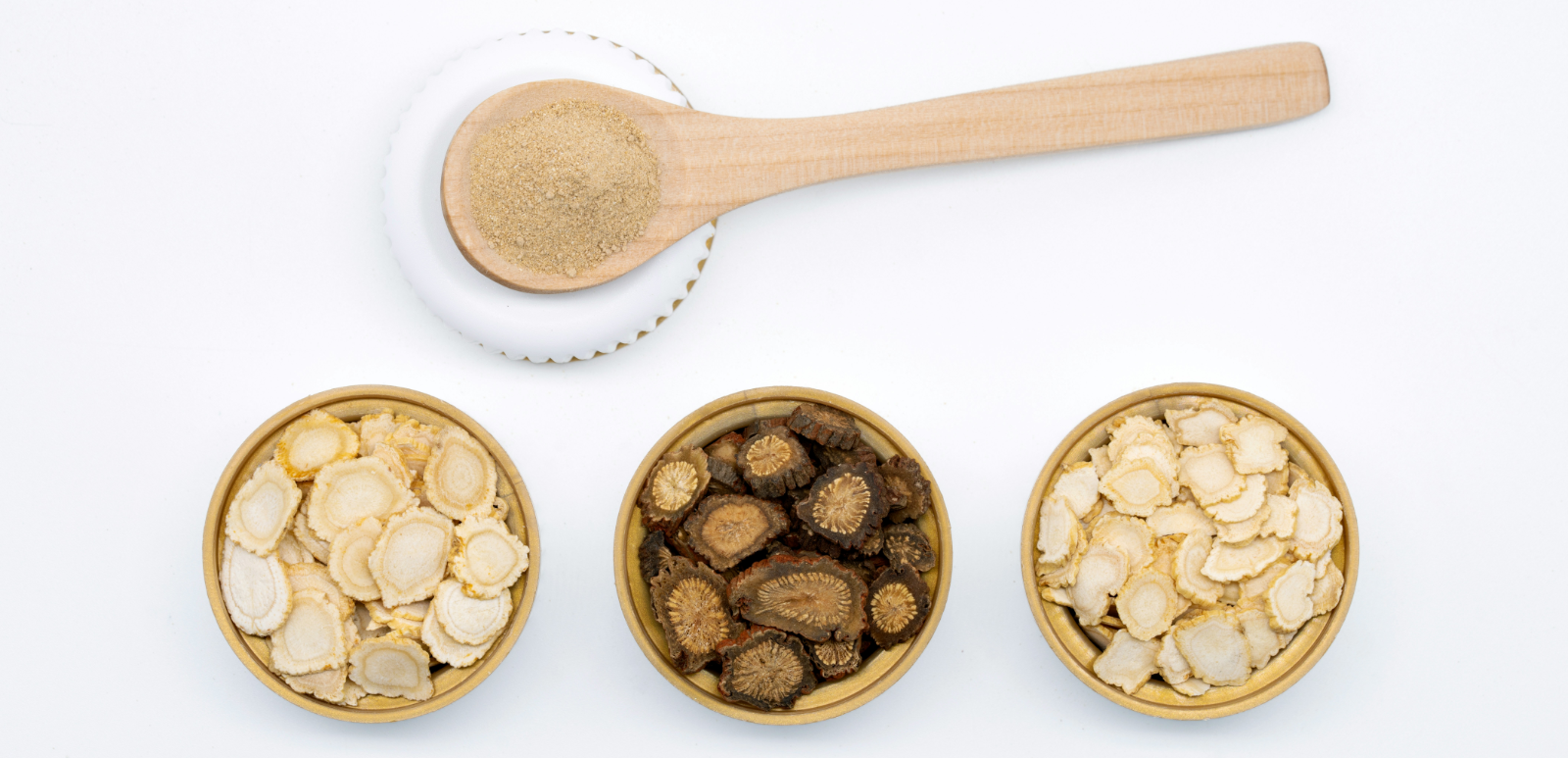
Ginseng has long been taken as one of the most powerful and versatile medicinal herbs in traditional medicine. Used for thousands of years across Asia and North America, ginseng has adaptogenic properties—supporting the body against physical, chemical, and biological stress—and its wide range of health benefits. We take a look at the health benefits of ginseng, with focus on the innovative contributions of Il Hwa, a leading company in ginseng research and development.

Ginseng-1024x495 The Benefits of Ginseng & Il Hwa Korean Ginseng

The Science Behind Ginseng

Ginseng refers to the root of plants in the Panax genus, most commonly Panax ginseng (Asian) and Panax quinquefolius (American). Rich in active compounds known as ginsenosides, provides many health benefits, from supporting energy to supporting cognitive function and immune support. Ginsenosides exhibit antioxidant and anti-inflammatory properties.

According to the National Centre for Biotechnology Information (NCBI), ginsenosides work at a molecular level to regulate physiological systems, including the nervous, immune, and endocrine systems. These effects contribute to ginseng’s reputation as a holistic health booster.

Health Benefits

  1. Energy and Stamina Often used to combat tiredness and support physical performance. Its adaptogenic properties help support the body’s ability to withstand stress, making it a popular supplement among athletes and individuals with high-stress lifestyles. There is not enough clinical evidence to say that ginseng increases energy or reduces stress, but as an adaptogen supports the body, and this is what has been most used for in thousands of years.
  2. Cognitive Support Several studies highlight ginseng’s ability to enhance memory, focus, and overall cognitive function. By promoting blood flow to the brain and reducing oxidative stress, ginseng supports mental clarity and concentration.1
  3. Immune System Support Ginseng has been shown to strengthen the immune system by stimulating the production of immune cells. It is particularly effective in reducing the severity and duration of colds and other respiratory infections.2
  4. Anti-Inflammatory and Antioxidant Properties The anti-inflammatory effects of ginseng help mitigate chronic inflammation, a key factor in many diseases, including arthritis and cardiovascular conditions. Its antioxidant properties neutralize harmful free radicals, protecting the body from oxidative damage.3
  5. Blood Sugar Regulation Ginseng has demonstrated potential in managing blood sugar levels, making it a valuable supplement for individuals with type 2 diabetes. By enhancing insulin production and sensitivity, contributes to better glycaemic control.4
  6. Stress Reduction Ginseng’s adaptogenic properties also extend to mental health. It can help reduce symptoms of anxiety and depression, promoting a sense of calm and well-being.5
  7. Anti-Aging Benefits Regular consumption may delay signs of aging by supporting cellular regeneration and improving skin elasticity. It is also a common ingredient in skincare products designed to combat wrinkles and promote youthful skin.6

Il Hwa: A Leader in Innovation

Il Hwa, a South Korea-based company, has set itself apart as a global leader in ginseng research and production. Founded in 1971, Il Hwa combines traditional knowledge with cutting-edge science to create products that deliver maximum efficacy.7

IlHwa_ginsengExtract50-1024x579 The Benefits of Ginseng & Il Hwa Korean Ginseng

Commitment to Quality

Il Hwa is dedicated to producing high-quality ginseng through a meticulous cultivation process, and is grown in nutrient-rich soil for six years, ensuring the roots develop a full spectrum of active compounds. Il Hwa’s proprietary technology preserves these compounds, resulting in products that are both potent and bioavailable.

Research and Innovation

One of Il Hwa’s most significant contributions to science is the development of enzyme-fermented ginseng (EFG). This unique process involves fermenting ginseng with natural enzymes to enhance its absorption and efficacy. EFG is particularly beneficial for individuals with compromised digestion, as it allows for quicker and more efficient uptake of active compounds.

Clinical Backing

Il Hwa’s dedication to scientific rigor is evident in its numerous clinical studies. Research has shown that Il Hwa’s enzyme-fermented ginseng improves energy levels, cognitive function, and immune response more effectively than traditional extracts. These findings underscore the company’s commitment to advancing the understanding and application of ginseng in modern health care.

Modern Science

The synergy between traditional medicine and modern science is exemplified in the growing body of research on ginseng’s health benefits. According to the NCBI’s comprehensive review, ginsenosides interact with various cellular pathways to exert their effects. This includes modulating inflammation, protecting neurons, and enhancing insulin sensitivity. Such findings validate the historical use and pave the way for its broader acceptance in Western medicine.

Choosing the Right Ginseng

Given the variety of ginseng products on the market, selecting the right one can be challenging. Here are some factors to consider:

  1. Source and Quality opt for products from reputable brands like Il Hwa that emphasize quality and transparency. Look for ginseng grown in nutrient-rich soil and processed to retain its active compounds.
  2. Type of Ginseng Choose the type that best suits your needs. For instance, Asian ginseng is ideal for boosting energy and stamina, while American is known for its calming effects.
  3. Formulation Consider the form of ginseng that is most convenient for you, such as capsules, powders, or liquid extracts. Enzyme-fermented products, like those offered by Il Hwa, may provide enhanced absorption and efficacy.

Your Daily Routine

Adding ginseng to your daily routine can be simple and rewarding. Here are some tips:

  • Start with a Small Dose: Begin with a low dose to assess your body’s response and gradually increase as needed.
  • Combine with Other Supplements: Pairs well with other adaptogens and nutrients, such as vitamin C.
  • Consistency is Key: Regular use is essential for experiencing the full range of benefits. Incorporate into your daily wellness regime or take for a couple of months during stressful or busy times.

Conclusion

Ginseng is a fantastic natural remedy with benefits ranging from energy support and cognitive support to immune support. Il Hwa’s efforts in ginseng research and production has brought confidence to the West in its quality, strength and bioavailability, making it more accessible in the United Kingdom.

Refs
  1. https://pmc.ncbi.nlm.nih.gov/articles/PMC3659633/
  2. https://pmc.ncbi.nlm.nih.gov/articles/PMC3659612/
  3. https://www.ncbi.nlm.nih.gov/books/NBK92776/
  4. https://pmc.ncbi.nlm.nih.gov/articles/PMC3659569/
  5. https://pmc.ncbi.nlm.nih.gov/articles/PMC5628357/
  6. https://www.sciencedirect.com/science/article/pii/S1226845315000810
  7. https://ilhwa.co.uk/pages/the-science-of-ginseng
  8. https://ilhwa.co.uk/

Posted on 1 Comment

The Mediterranean Diet Meal Plan and the basics

Mediterranean Diet

The Mediterranean diet, originally came from a study of the diets of people living around Crete, Greece, and southern Italy, and is a well-known diet today with its known and researched health benefits. Whole foods and healthy fats are the key to this healthy way of eating.

Mediterranean_Diet-1024x683 The Mediterranean Diet Meal Plan and the basics

Key Points of the Mediterranean Diet:

  • Plenty of Plant-Based Foods: Fruits, vegetables, legumes (beans, lentils, chickpeas), and whole grains form the cornerstone of this diet. Providing a rich source of vitamins, minerals, fibre, and antioxidants, great for overall health and disease prevention.
  • Healthy Fats: Olive oil, a primary source of monounsaturated fats, replaces saturated fats from animal sources. These healthy fats contribute to heart health by lowering LDL (“bad”) cholesterol and raising HDL (“good”) cholesterol levels.
  • Lean Protein Sources: Fish, poultry, and eggs are included in moderation, while red meat consumption is limited.
  • Dairy in Moderation: Yogurt and cheese are consumed in limited quantities, primarily as part of meals.
  • Limited Processed Foods: The Mediterranean diet strongly discourages the consumption of processed foods, such as fast food, packaged snacks, and sugary beverages, which are often high in unhealthy fats, added sugars, and sodium.

Where do I start?

  • Focus on Whole Foods: Incorporate a wide variety of fruits, vegetables, and whole grains into your daily meals.
  • Choose Healthy Fats: opt for olive oil as your primary cooking oil. Include nuts, seeds, and avocados in your diet.
  • Prioritise Plant-Based Protein: Increase your intake of legumes such as mung beans and chickpeas. FAQ. Did you know that peanuts are legumes?
  • Limit Processed Foods: Minimise the consumption of processed foods, sugary drinks, and excessive amounts of red meat.
  • Cook at Home: Cooking at home allows you to control the ingredients and prepare meals that align with the principles of the Mediterranean diet.
  • Embrace the Social Aspect: The Mediterranean diet is not just about food; it’s about sharing meals with loved ones and enjoying the social aspects of eating.

Sample Mediterranean Diet Meal Plan

Here’s an example of a Mediterranean diet meal plan for one day:

Breakfast:

  • Oats with berries, nuts, and a drizzle of honey
  • Greek yogurt with fruit and sprinkle chopped nuts or homemade granola

Lunch:

  • Lentil soup with a side salad
  • Whole-grain bread with hummus and vegetables

Dinner:

  • Grilled fish with roasted vegetables (broccoli, carrots, and sweet potatoes)
  • Brown rice or quinoa with fresh crunchy vegetables

Snacks:

  • A handful of almonds or walnuts
  • Fruit salad
  • Greek yogurt with fruit and homemade granola

Beverages:

  • Water
  • Unsweetened tea or coffee
  • Red wine in moderation (optional)
Mediterranean_Diet_Ideas-1024x656 The Mediterranean Diet Meal Plan and the basics

Health Benefits Supported by Research:

  • Cardiovascular Health: Numerous studies have demonstrated that adhering to a Mediterranean diet can significantly reduce the risk of heart disease, stroke, and other cardiovascular conditions. This is attributed to its beneficial effects on blood pressure, cholesterol levels, and inflammation.1
  • Neurocognitive Function: The antioxidant-rich nature of the Mediterranean diet, particularly the abundance of omega-3 fatty acids from fish and nuts, may play a crucial role in protecting cognitive function and reducing the risk of neurodegenerative diseases such as Alzheimer’s and dementia.2
  • Diabetes Prevention and Management: The high fibre content of this diet helps regulate blood sugar levels, making it beneficial for individuals with type 2 diabetes or those at risk of developing the condition.3
  • Weight Management: By emphasizing nutrient-dense foods that promote satiety, the Mediterranean diet can support healthy weight management and reduce the risk of obesity.4

Thinking about starting the Mediterranean diet? With any diet plan we always recommend talking to a health professional and starting slowly if your current diet is very different. Even small changes and make a difference towards improved health, energy and wellbeing, and an enjoyable approach to nourishing the body and mind.

Refs
  1. https://www.ahajournals.org/doi/10.1161/CIRCRESAHA.118.313348
  2. https://pmc.ncbi.nlm.nih.gov/articles/PMC6746160/
  3. https://pmc.ncbi.nlm.nih.gov/articles/PMC4751088/
  4. https://pmc.ncbi.nlm.nih.gov/articles/PMC6627690/

Posted on Leave a comment

The Elimination Diet and what food can you eat

The Elimination diet the basics

The elimination diet is the gold standard tool for identifying hidden food sensitivities that may be contributing to a variety of uncomfort and health issues. By temporarily removing certain foods from your diet and then reintroducing them one by one, you can pinpoint which foods trigger unwanted symptoms.

EliminationDiet-1024x576 The Elimination Diet and what food can you eat

Common symptoms that may improve with an elimination diet include:

  • Digestive issues: bloating, gas, diarrhea, constipation
  • Skin problems: eczema, acne
  • Fatigue
  • Headaches
  • Joint pain

Levels of Elimination:

The elimination diet can be tailored to your specific needs and the severity of your symptoms. Most elimination diets last for around 3-6 weeks as the antibodies take a few weeks to clear, although sometimes it is recommended that foods are removed for up to 3 months to see the full benefit. Here are three common levels:

  1. Level 1 (Least Restrictive): Eliminates the most common food allergens: gluten (found in wheat, barley, and rye), dairy, eggs, soy, corn, peanuts, tree nuts, and shellfish.
  2. Level 2 (Moderate): In addition to Level 1 foods, eliminates common food additives and preservatives, such as artificial sweeteners, food coloring, and MSG.
  3. Level 3 (Most Restrictive): Eliminates all processed foods, added sugars, and even some naturally occurring sugars like fructose. This level is typically used under the guidance of a healthcare professional.

Foods to Avoid:

The specific foods to avoid will depend on the level of elimination you choose. Also eliminate any suspects, go with your gut feeling! Some common culprits include:

  • Gluten: Bread, pasta, cereal, pastries, and many processed foods.
  • Dairy: Milk, cheese, yogurt, butter, and ice cream.
  • Eggs: Found in many baked goods, sauces, and breakfast foods.
  • Soy: Soy milk, tofu, edamame, and soy sauce.
  • Corn: Corn syrup, corn starch, and popcorn.
  • Peanuts and Tree Nuts: Peanut butter, almond milk, and nut butters.
  • Shellfish: Shrimp, crab, lobster, and mussels.
  • Added Sugars: Sugar, high-fructose corn syrup, and artificial sweeteners.
  • Processed Foods: Fast food, packaged snacks, and frozen meals.

Foods to Eat:

Focus on whole, unprocessed foods that are naturally gluten-free, dairy-free, and free of other common allergens. Here are some examples:

  • Fruits: All fruits except for store bought juice or tinned fruit. (freshly squeezed is fine)
  • Vegetables: All vegetables except for canned or ready meals.
  • Protein: Lean meats, poultry, fish, beans, lentils, and tofu (if tolerated).
  • Grains: Rice, quinoa, oats (if gluten-free), and millet.
  • Healthy Fats: Avocado, olive oil, coconut oil, and nuts/seeds (if tolerated).
Elimination-Diet-example-1024x683 The Elimination Diet and what food can you eat

Sample Elimination Diet Calendar:

Reintroduction Phase:

Once you have completed the elimination phase, you can begin to reintroduce foods one at a time to identify your triggers. This is best done under the guidance of a healthcare professional or registered dietitian.

Why Avoid Certain Foods?

  • Food Intolerances: Do not involve the immune system but can cause digestive issues, headaches, and skin problems.
  • Other Sensitivities: May cause less severe symptoms but can still significantly impact your quality of life.

Important Considerations:

  • Consult a Healthcare Professional: Before starting an elimination diet, it is essential to consult a your GP or registered nutritional therapist to ensure it is safe and appropriate for you.
  • Nutritional Adequacy: Make sure your diet is nutritionally balanced by including a variety of whole foods.
  • Be Patient: It may take time to identify your triggers and find the right balance for your body.

Posted on Leave a comment

Health Over 50: Small Changes That Make a Big Difference

Aging gracefully involves more than just avoiding illness—it’s about thriving, staying active, and living life to the fullest. For Health over 50, small lifestyle changes can benefit your health. These tweaks may include increasing physical activity, adjusting your diet to meet your body’s needs, and changing your supplements.

Healthover50-1024x523 Health Over 50: Small Changes That Make a Big Difference

A Nice Walk

Let’s start with walking, which is one of the simplest and most accessible forms of exercise, making it an good choice for people over 50. Regular walking improves cardiovascular health, boosts mood, strengthens muscles, and enhances bone density. Studies suggest that walking at least 30 minutes a day can reduce the risk of chronic diseases like diabetes, hypertension, and osteoporosis【PMC4210907】.

How to Get Started if you do little walking:

  • Set small goals: Begin with 10–15 minutes a day and gradually increase your duration.
  • Track your steps: Use a pedometer or smartphone app to aim for 6,000–8,000 steps daily.
  • Make it social: Walking with friends or family can boost motivation and make the activity enjoyable.

Adding variety, such as brisk walking or incorporating inclines, can further benefit and challenge your body in new ways.


Good Food

As we age, our nutritional needs change. A balanced diet rich in fibre, antioxidants, and essential nutrients is important to maintain energy levels, preventing chronic diseases, and supporting digestive health.

Fibre: Important for Digestive Health

Fibre plays a vital role in promoting healthy digestion and reducing the risk of heart disease and colorectal cancer. Foods like whole grains, fruits, vegetables, and legumes are excellent sources. According to research, dietary fibre also supports the gut microbiome, which is crucial for overall health【PMC6770889】.

Tips for Increasing Fibre Intake:

  • Replace white bread and pasta with whole-grain versions.
  • Add beans or lentils to soups, salads, or stews.
  • Snack on high-fibre fruits like apples, berries, and oranges.

Strong Bones

Bone health becomes a pressing concern as we age, particularly for women post-menopause. Calcium is essential for maintaining strong bones and preventing osteoporosis. However, many adults over 50 fall short of the recommended daily intake. Harvard Health suggests that men aged 51–70 require 1,000 mg daily, while women of the same age group need 1,200 mg【Harvard Health】.

Calcium-Rich Foods:

  • Dairy products like milk, cheese, and yogurt.
  • Leafy greens such as kale and broccoli.
  • Fortified plant-based milk alternatives.

Vitamin D is equally important as it aids calcium absorption. Sun exposure, fatty fish, and fortified foods are excellent sources.

Soup-1024x682 Health Over 50: Small Changes That Make a Big Difference

Supplements for a Healthy Boost

Even with a well-rounded diet, certain supplements can fill nutritional gaps and support health for those over 50. Here’s a closer look at some key supplements:

1. Coenzyme Q10 (CoQ10):

CoQ10 is a powerful antioxidant that plays a role in energy production and cellular health. As we age, our natural levels of CoQ10 decline, which may contribute to fatigue and reduced heart health. Studies suggest that CoQ10 supplementation can improve cardiovascular function and reduce inflammation【PMC4210907】.

Dosage: 100–200 mg daily, ideally with a meal containing fat for better absorption.

2. Fish Oil:

Rich in omega-3 fatty acids, fish oil supports heart and brain health while reducing inflammation. Omega-3s have also been linked to joint health, making them beneficial for those with arthritis or stiffness.

Dosage: Aim for 1,000–2,000 mg of combined EPA and DHA daily. Look for high-quality, mercury-free fish oil supplements.

3. Calcium:

As highlighted earlier, calcium is crucial for bone strength. While dietary sources should be prioritised, calcium supplements can help those struggling to meet their needs through food alone.

Dosage: Consult your doctor, but do not exceed 500–600 mg per dose to optimise absorption.

4. Digestive Enzymes:

Age-related changes in the digestive system can lead to reduced enzyme production, resulting in bloating, gas, or indigestion. Digestive enzyme supplements can support better nutrient absorption and improve gut health【PMC6770889】.

When to Use: Take enzymes before meals to help digestion, especially for meals rich in protein or fats.

5. Collagen:

Collagen is a protein that supports skin elasticity, joint health, and bone strength. Natural collagen production declines with age, but supplementation can replenish levels and improve joint mobility and skin appearance.

Dosage: 5–10 grams daily, often found in powder form for easy mixing into coffee or smoothies.


Holistic Lifestyle Tips

Beyond diet and supplements, other lifestyle changes can contribute to better health after 50:

1. Prioritise Sleep:

Quality sleep for recovery, mental clarity, and hormonal balance. Aim for 7–8 hours per night, and create a relaxing bedtime routine.

2. Manage Stress:

Chronic stress can exacerbate health issues like hypertension and weaken the immune system. Practices such as meditation, yoga, or deep breathing can help reduce stress.

3. Stay Hydrated:

Dehydration becomes more common with age due to a diminished sense of thirst. Drink water consistently throughout the day to support digestion, joint health, and cognitive function.

4. Engage in Strength Training:

Incorporate resistance exercises at least twice a week to maintain muscle mass, which naturally declines with age. Strong muscles support mobility, balance, and metabolic health.


The Role of Regular Check-Ups

Routine health screenings can catch potential issues early. Talk to your healthcare provider about cholesterol checks, bone density scans, and cancer screenings. Staying proactive ensures that small issues don’t develop into larger problems.


Conclusion

Health over 50 doesn’t require drastic changes. We recommend regular walking, good food with fibre and calcium rich foods, and supplements include CoQ10, fish oil, digestive enzymes, and collagen. Combined with stress management, adequate hydration, and strength training, these small steps can help.

Your journey toward better health starts with small, consistent changes. Over time, these habits will become second nature, allowing you to enjoy the next chapter of life with strength and energy.


Posted on Leave a comment

NAD+, NMN, and NR: A Simplified Guide to Cellular Health and ageing

The definition of longevity is living a longer and healthier life. It defines not only how long a person is going to live, but how healthy their later life will be. There has been an increasing interest in molecules NAD+ (nicotinamide adenine dinucleotide), NMN (nicotinamide mononucleotide), and NR (nicotinamide riboside). These compounds play a role in cellular energy metabolism and repair, making them an interesting and popular topic in anti-aging and health research. Let’s break down what they are, what they do, and why supplementing with them might be beneficial.

NAD-1024x515 NAD+, NMN, and NR: A Simplified Guide to Cellular Health and ageing

What is NAD+?

NAD+ is a coenzyme present in every cell of the body. It is essential for two main reasons:

  1. Energy Production: NAD+ is central to converting nutrients from food into energy through mitochondrial activity. It helps cells produce ATP, the molecule that powers nearly all biological processes.
  2. Cellular Repair: NAD+ supports the function of proteins like sirtuins and PARPs, which help repair damaged DNA and maintain cellular health.

Unfortunately, NAD+ levels decline with age, contributing to decreased energy, slower repair processes, and a greater risk of age-related diseases. Maintaining or boosting NAD+ is considered a key strategy for promoting longevity.

NMN and NR: Precursors to NAD+

Direct supplementation with NAD+ is often not absorbed well in the body. Instead, focus on its precursors—NMN and NR—which the body can convert into NAD+.

Nicotinamide Mononucleotide (NMN)

NMN is a direct precursor to NAD+. It’s naturally found in small amounts in foods like broccoli, avocado, and edamame. Studies show that supplementing with NMN effectively increases NAD+ levels, especially in older individuals.

Nicotinamide Riboside (NR)

NR is another precursor to NAD+ and a form of vitamin B3. Found in trace amounts in milk and yeast, NR is converted into NMN before becoming NAD+. It has become popular for its simplicity and effectiveness in boosting NAD+ levels.

Benefits of NAD+, NMN, and NR

  1. Improved Energy Metabolism: Boosting NAD+ supports mitochondrial function, increasing cellular energy and reducing fatigue.
  2. DNA Repair: Higher NAD+ levels help improve the body’s ability to repair DNA, reducing age-related cellular damage.
  3. Longevity and Anti-Aging: NAD+ activates sirtuins, proteins associated with improved metabolic health, stress resistance, and potential lifespan extension.
  4. Brain Health: Studies indicate that NAD+ may protect against neurodegenerative diseases.
  5. Cardiovascular Health: NAD+-boosting pathways improve blood vessel elasticity and heart function by promoting efficient energy use in cells.

NMN vs. NR: Key Differences

While NMN and NR aim to raise NAD+ levels, there are differences in how they work:

  • Absorption Pathways: NR is converted to NMN, which is then turned into NAD+. NMN is closer to NAD+ in the production pathway, potentially making it more direct in some cases.
  • Scientific Research: Both NMN and NR have shown promising results in clinical trials, but NMN may provide more targeted benefits in certain tissues, such as the brain and muscles.

Supplementation: How to Boost NAD+

Dosage and Forms

  • NMN and NR are available in capsules, powders, and liposomal liquids (outer fat layer).
  • Typical dosages range from 250 to 1000 mg daily, depending on individual needs and research-backed guidelines.

Safety and Side Effects

Both NMN and NR are considered safe and well-tolerated. Some users report mild digestive discomfort at higher doses, but side effects are generally rare.

Stacking with Other Nutrients

NAD+ precursors are often combined with complementary compounds to enhance their effects:

  • Resveratrol: Synergizes with NAD+ to activate sirtuins. (found in red wine)
  • CoQ10: Supports mitochondrial health and energy production. (found in organ meats)
  • TMG (Trimethylglycine): Assists in methylation, which supports NAD+ metabolism. (An amino acid found in beets and other foods)

Choosing the Right Supplement

When deciding between NMN and NR, consider these factors:

  1. Purity and Quality: Look for third-party tested products to ensure safety and efficacy.
  2. Formulation: Some supplements include added compounds like TMG to support NAD+ metabolism.
  3. Reputation: Trusted brands often provide reliable products backed by scientific research.

Cost Comparison

NMN supplements are generally more expensive than NR, but they may offer more direct benefits for boosting NAD+ levels. NR, being widely available and well-studied, is often more affordable.

Conclusion

NAD+ is important for cellular health, and its decline with age is linked to many aspects of aging. Supplementing with NMN or NR can help to restore NAD+ levels, potentially improving energy and repair mechanisms.

For those considering supplementation, starting with a lower dose and consulting a healthcare provider is advisable.

References

  1. Biţă A, Scorei IR, Ciocîlteu MV, et al. Nicotinamide Riboside, a Promising Vitamin B3 Derivative for Healthy Aging and Longevity: Current Research and Perspectives. Molecules. 2023;28(16). doi:10.3390/MOLECULES28166078
  2. PubMed Central: “NMN and NR in Aging” – PMC5842119
  3. Martens CR, Denman BA, Mazzo MR, et al. Chronic nicotinamide riboside supplementation is well-tolerated and elevates NAD + in healthy middle-aged and older adults. doi:10.1038/s41467-018-03421-7
  4. Imai S ichiro, Guarente L. NAD+ and Sirtuins in Aging and Disease. Trends Cell Biol. 2014;24(8):464. doi:10.1016/J.TCB.2014.04.002
  5. Cercillieux A, Ciarlo E, Canto C. Balancing NAD+ deficits with nicotinamide riboside: therapeutic possibilities and limitations. Cell Mol Life Sci. 2022;79(8):463. doi:10.1007/S00018-022-04499-5
Posted on 2 Comments

6 key tips to support Energy and Metabolism

We are hearing a lot about the great energy slump and wanted to write an article about maintaining good energy levels and a healthy metabolism for overall well-being and productivity. While factors like genetics and age play a role, lifestyle choices, including diet and hydration, significantly impact energy levels and metabolic rate.

tired-1024x479 6 key tips to support Energy and Metabolism

We will look at six tips to support energy and metabolism, focusing on the importance of protein, micronutrients, and hydration.

  1. Protein
  2. Micronutrients
  3. Water and hydration
  4. Move
  5. Sleep
  6. Calm

1. Protein

Protein plays a vital role in many bodily functions, including muscle repair and growth, hormone production, and immune function. Additionally, protein has a high thermic effect, meaning that the body expends more energy digesting it compared to fats and carbohydrates, thus boosting metabolism.

To optimize energy levels and metabolism, aim to include a source of protein in each meal and snack. Lean meats, poultry, fish, eggs, dairy products, legumes, and plant-based sources like tofu and tempeh are excellent choices. Studies suggest that spreading protein intake evenly throughout the day may be more beneficial for muscle protein synthesis and metabolic rate compared to consuming most of it in one meal.

A protein shake in the morning is an excellent way to start the day and slowly wake up your digestive system. Free Soul Vegan Protein Blend Vanilla is a vegan protein blend powder for women with premium quality pea protein isolate and white hemp protein, fortified with key nutrients, vitamins and minerals.

2. Micronutrients – Include Omega 3 & Leafy greens

Micronutrients, including vitamins and minerals, are essential for energy production, metabolism regulation, and overall health. Deficiencies in key micronutrients can impair cellular function and lead to fatigue and sluggish metabolism. Therefore, incorporating a variety of nutrient-dense foods into your diet is crucial for supporting energy levels and metabolic function.

Focus on including a rainbow of fruits and vegetables in your meals to ensure a broad spectrum of micronutrients. Leafy greens, berries, citrus fruits, cruciferous vegetables, nuts, seeds, and whole grains are excellent sources of vitamins, minerals, and antioxidants. Additionally, omega-3 fatty acids found in fatty fish, flaxseeds, and walnuts have been shown to support metabolic health and energy production.

leafyGreens-1024x603 6 key tips to support Energy and Metabolism

Cytoplan Superfood Multi is a fruit and vegetable blend, rich in phytonutrients, with additional vitamins and minerals.

Are your iron levels in range? Heavy bleed can cause iron deficiency and it is recommended that you visit your GP to get a blood test for your iron levels.

3. Hydration & Water

Hydration is often overlooked but is fundamental for maintaining optimal energy levels and metabolism. Even mild dehydration can lead to feelings of fatigue and impair cognitive function, affecting productivity and overall well-being. Water plays a crucial role in numerous physiological processes, including nutrient transport, temperature regulation, and waste removal.

Make a conscious effort to stay hydrated throughout the day by drinking water regularly, especially during and after physical activity or exposure to hot weather. Herbal teas, coconut water, and freshly squeezed juices can also contribute to your fluid intake. Aim to consume at least eight glasses of water per day, adjusting intake based on individual needs and activity levels.

4. Move to support Energy and Metabolism

In addition to diet and hydration, regular physical activity is key for supporting energy levels and metabolism. While cardiovascular exercise including walking is beneficial, incorporating strength training into your routine can have a positive impact on metabolic rate and energy expenditure.

Include resistance exercises such as Pilates, weightlifting, or resistance band workouts. Include walks and hikes in nature as much as you can.

5. Sleep

This is obvious, but important to focus on as your primary health goal, together with hydration daily. Quality sleep is crucial for energy production, metabolism, and overall health. During sleep, the body undergoes essential processes, including tissue repair, hormone regulation, and memory consolidation. Chronic sleep deprivation not only leads to feelings of fatigue but also disrupts metabolic hormones, increasing the risk of weight gain and metabolic disorders.

A consistent sleep schedule and creating a relaxing bedtime routine. Aim for seven to nine hours of quality sleep per night, allowing your body to cycle through the various stages of sleep for optimal restoration and rejuvenation. Avoid stimulants like caffeine and electronics before bedtime, and create a comfortable sleep environment free of distractions and disruptions.

MegaMag Night Formula has been expertly blended to provide support for restful sleep

6. Calm

Chronic stress can take a toll on both mental and physical health, impacting energy levels and metabolism. When stressed, the body releases cortisol, a hormone that, in excess, can lead to increased appetite, cravings for sugary and fatty foods, and abdominal fat deposition. Additionally, prolonged stress can disrupt sleep, impair digestion, and suppress immune function, further exacerbating fatigue and metabolic dysfunction.

Practice stress management techniques such as mindfulness meditation, deep breathing exercises, yoga, or progressive muscle relaxation to reduce stress levels and promote relaxation. Engage in activities that bring joy and fulfilment, prioritise self-care, and seek social support when needed. By effectively managing stress, you’ll not only enhance energy and metabolism but also improve overall quality of life.

Ashwagandha

A herb that has been used for thousands of years in Ayurveda (Indian traditional medicine) as an incredible rejuvenating herb, nourishing the mind and enhance energy. Ashwagandha is also an adaptogen which adapts to the needs of the body, helping it to support times of emotional and physical stress by supporting the endocrine and nervous systems. 

Conclusion

We hope you find this useful and enjoy your journey from bouncing out of bed to feeling energised throughout the day. It involves a bit of work from balanced nutrition, hydration, regular exercise, adequate sleep, to stress management. By incorporating these six tips into your daily routine, you can support optimal energy production, enhance metabolic function, and improve overall vitality and well-being. Remember, small changes over time can lead to significant long-term benefits for your health and quality of life.

Nootropics_Energy-814x1024 6 key tips to support Energy and Metabolism

Refs

Paddon-Jones, D., Westman, E., Mattes, R. D., Wolfe, R. R., Astrup, A., & Westerterp-Plantenga, M. (2008). Protein, weight management, and satiety. The American Journal of Clinical Nutrition, 87(5), 1558S–1561S.

– Mikkelsen, P. B., Toubro, S., & Astrup, A. (2000). Effect of fat-reduced diets on 24-h energy expenditure: comparisons between animal protein, vegetable protein, and carbohydrate. The American Journal of Clinical Nutrition, 72(5), 1135–1141.

– Kennedy, D. O. (2016). B Vitamins and the Brain: Mechanisms, Dose and Efficacy—A Review. Nutrients, 8(2), 68.

– Simopoulos, A. P. (2002). Omega-3 fatty acids in inflammation and autoimmune diseases. Journal of the American College of Nutrition, 21(6), 495–505.

– Popkin, B. M., D’Anci, K. E., & Rosenberg, I. H. (2010). Water, hydration, and health. Nutrition Reviews, 68(8), 439–458.- Armstrong, L. E., Ganio, M. S., Casa, D. J., Lee, E. C., McDermott, B. P., Klau, J. F., … & Lieberman, H. R. (2012). Mild dehydration affects mood in healthy young women. The Journal of Nutrition, 142(2), 382–388.- Strasser, B., Spreitzer, A., & Haber, P. (2019). Fat loss depends on energy deficit only, independently of the method for weight loss. Annals of Nutrition and Metabolism, 74(2), 142–151.- Wescott, W. L. (2012). Resistance training is medicine: effects of strength training on health. Current Sports Medicine Reports, 11(4), 209–216.- Taheri, S., Lin, L., Austin, D., Young, T., & Mignot, E. (2004). Short sleep duration is associated with reduced leptin, elevated ghrelin, and increased body mass index. PLoS Medicine, 1(3), e62.

– St-Onge, M. P., & Shechter, A. (2014). Sleep disturbances, body fat distribution, food intake, and/or energy expenditure: pathophysiological aspects. Hormones, 13(4), 427–438.- Epel, E., Lapidus, R., McEwen, B., & Brownell, K. (2001). Stress may add bite to appetite in women: a laboratory study of stress-induced cortisol and eating behavior. Psychoneuroendocrinology, 26(1), 37–49.- Pascoe, M. C., Thompson, D. R., Ski, C. F., & Yoga, R. (2017). Yoga, mindfulness-based stress reduction and stress-related physiological measures: A meta-analysis. Psychoneuroendocrinology, 86, 152–168.

Posted on Leave a comment

Key Nutrients and your new exercise regime.

Key Nutrients to consider when starting your new exercise regime.

Exercise is crucial for a healthy lifestyle, benefiting both physical and mental well-being. However, starting a new exercise routine can impact joints, especially if not approached cautiously. It’s important to incorporate low-impact activities like swimming or cycling initially, gradually increasing intensity to prevent strain. Stretching and warm-up exercises are essential to prepare muscles and joints for movement. Additionally, listening to your body and seeking guidance from a fitness professional can help tailor an exercise plan suited to individual needs, ensuring a safe and effective fitness journey towards improved health and vitality.

The following article will discuss how you can take steps toward supporting your exercise regime by following certain nutritional tips and recommendations.

regime-1024x663 Key Nutrients and your new exercise regime.


Key Nutrients to Include Before and After Workouts

When beginning an exercise regime, research your best meal, snack, or shake before working out. You need to keep in mind that while exercising you are working your muscles intensely and they may break down proteins or stores of carbohydrates or fats. It is therefore important that you eat foods, which will provide proteins and carbohydrates to replenish your body’s stores so you can continue exercising.

While working out, you need to ensure that you have an adequate supply of calories and protein to fuel your body. It is therefore important that you eat a good meal before and after your workout. The following are some of the foods, which you can consider eating before and after working out;

1. Protein

Protein is the most important nutrient for maintaining muscle mass. However, it can be difficult to get enough protein from food on normal days. To avoid this problem, you can boost your protein intake by taking protein shakes or nutritional supplements a few hours before your workout. Even after the exercise session, you should consume high-protein meals such as eggs, meat, and fish to support muscle growth.

2. Micronutrients

The best way to ensure that you get the required vitamins and minerals is through food. However, if you do not get enough nutrients from food alone, vitamins are a great way to supplement your diet.

Vitamin C

This vitamin is an important nutrient for athletic performance because it helps you create new tissues and slows down tissue damage by free radicals. Some of the sources of vitamin C include kiwis, red bell peppers, potatoes, limes, broccoli, and oranges.

Omega-3 Fats

These nutritional fats are important because they help to improve your blood circulation and reduce inflammation in the body. Some of the good sources of omega-3 include nuts, soybeans, and fish.

After your workout, you can take a protein shake to boost muscle growth. In addition to this, you should consume foods that contain carbohydrates such as pasta, rice, or even fruits.

N-acetyl-l-cysteine (NAC)

This is an antioxidant that can protect your body from free radicals by neutralizing them. It can also help to increase the rate of muscle repair, which provides you with the motivation to put in more effort during training.

L-Carnitine

It is a substance that is used by your body to convert food into energy. It is also used to reduce fatigue and support blood circulation. The best sources include red meat, poultry, fish, kidneys, and poultry. Consider taking it in the days before and after your workout sessions.

Glucosamine & Chondroitin

Glucosamine can be found in the small joints, cartilage, and tendons and plays a vital role in supporting these structures. It also helps to promote joint health. In addition to this, glucosamine contains chondroitin sulfate, which plays a role in calcium absorption and metabolism and helps to strengthen bones. To get glucosamine, you can simply eat a lot of seafood or foods containing chondroitin sulfate.

Chondroitin is another substance, which you can get from your diet. The main sources include cartilage, tendons, and bone marrow. They play a crucial role in the health of the joints by providing support to the small cartilage disks between the bones in your body.

When looking for chondroitin, you can get it from foods that contain glucosamine such as seafood and whole grains.

Magnesium

Magnesium is a mineral, which is essential for blood sugar levels and energy production. It is also a vital component of all proteins in the body. These include the enzymes in the body which help convert food into energy.

You can find this mineral mainly in greens, grains, nuts, and seeds such as sesame seeds, leafy greens, and other whole grains.

MSM

MSM stands for methylsulfonylmethane and is an important nutrient that supports collagen formation and the healthy metabolism of fats. It also plays a role in the maintenance of healthy skin and connective tissues. You can find MSM in several foods such as black pepper, onions, apples, and yeast.

Zinc

Zinc is an essential mineral that supports a healthy immune system and protects the skin from oxidative stress and damage. It plays a vital role in the function of enzymes, which enable your body to turn food into energy. Grass-fed meats, seafood, pumpkin seeds, eggs, and other grains are good sources of zinc. However, you should avoid taking zinc supplements in high doses because they can have adverse effects on your health.

vitalii-pavlyshynets-kcRFW-Hje8Y-unsplash-1024x683 Key Nutrients and your new exercise regime.

Conclusion

As you can see, there are several vitamins and nutrients that you can consider in your diet if you are starting a fitness regime. In addition to this, ensure that you are consuming enough calories to meet the demands of your body because this is what your body needs to perform well during exercise.

Exercise is a vital source for maintaining a healthy life. However, it is not always easy to maintain and there are many times when one may be struggling with injuries and discomfort. In these cases, it is important to consult with a doctor before beginning an exercise program.

Written by Alice Daisy for Naturobotanica