Posted on Leave a comment

Good Mood Food: How the Gut–Brain Axis Shapes Mental Wellbeing

Good Mood Food and the old saying “you are what you eat” may be truer than we imagined. Research shows that diet doesn’t just influence physical health it also affects mood, cognition, and stress resilience. The basis of this connection is the gut–brain axis: a communication network linking the gut, its microbes, and the brain.

Good_mood_food-1024x682 Good Mood Food: How the Gut–Brain Axis Shapes Mental Wellbeing

The Gut–Brain Axis Explained

The gut has its own nervous system, the enteric nervous system, often called the “second brain.” It communicates bidirectionally with the central nervous system through nerves, hormones, and immune pathways (Carabotti et al., 2015).

Crucially, around 90% of serotonin, the neurotransmitter that stabilises mood, is produced in the gut (Gershon & Tack, 2007). This production depends on the gut microbiome the trillions of microbes living in the digestive tract. When balanced, these microbes support mental wellbeing; when imbalanced (a state known as dysbiosis), they can contribute to low mood, anxiety, and fatigue (Dinan & Cryan, 2017).

Evidence on diet and mood

Large-scale studies, including the French BioNutriNet Project, have found that Good Mood Food such as diets rich in fruits, vegetables, whole grains, and fish are linked to lower risk of depressive symptoms (Adjibade et al., 2019). Conversely, diets high in ultra-processed foods and refined sugars have been associated with poorer mental health outcomes (Jacka et al., 2017).

Good Mood Foods to Add to Your Diet

Good Mood Foods to Add to Your Diet

  1. Fermented Foods

    Kefir, sauerkraut, kimchi, live yoghurt
    Probiotics in fermented foods can improve microbial diversity and reduce depressive symptoms (Ng et al., 2018).

  2. Prebiotic Fibre

    Legumes, oats, garlic, onions, asparagus
    Feeds beneficial bacteria, which produce short-chain fatty acids that reduce inflammation and support brain health (Silva et al., 2020).

  3. Omega-3 Fatty Acids

    Salmon, mackerel, walnuts, chia seeds, flaxseeds
    EPA and DHA support brain cell structure; omega-3 supplementation reduces symptoms of depression (Grosso et al., 2014).

  4. Polyphenol-Rich Foods

    Berries, green tea (not before bed), dark chocolate, olive oil, turmeric
    Protect neural tissue and support a healthy microbiome (Miller et al., 2017).

  5. Mediterranean-Style Eating

    Combines whole foods, fish, olive oil, legumes, and vegetables
    Associated with improved mood and reduced risk of depression (Lassale et al., 2019).

Everyday Tips for Good Mood Food & Supporting the Gut–Brain Axis

  • Eat slowly and mindfully.
  • Choose whole, minimally processed foods.
  • Stay hydrated.
  • Prioritise sleep and physical activity.

Conclusion

The gut–brain axis reveals how Good Mood Food affects more than just our bodies, it shapes our minds too. By focusing on whole, nutrient-dense foods that nourish the gut microbiome, we can take daily steps towards better mood, sharper thinking, and greater resilience.

References

  1. Adjibade, M. et al. (2019). European Journal of Nutrition, 58(3), 1227–1236.
  2. Carabotti, M. et al. (2015). Annals of Gastroenterology, 28(2), 203–209.
  3. Dinan, T.G., & Cryan, J.F. (2017). Nature Reviews Gastroenterology & Hepatology, 14, 69–70.
  4. Gershon, M.D., & Tack, J. (2007). Nature Reviews Gastroenterology & Hepatology, 4(7), 482–492.
  5. Grosso, G. et al. (2014). Oxidative Medicine and Cellular Longevity, 2014, 313570.
  6. Jacka, F.N. et al. (2017). American Journal of Psychiatry, 167(3), 305–311.
  7. Lassale, C. et al. (2019). Molecular Psychiatry, 24, 965–986.
  8. Miller, A.H. et al. (2017). Biological Psychiatry, 81(10), 732–741.
  9. Ng, Q.X. et al. (2018). International Journal of Molecular Sciences, 19(6), 1830.
  10. Silva, Y.P. et al. (2020). Frontiers in Psychiatry, 11, 574.

Posted on 1 Comment

Food for the Mind: How the Mediterranean Diet Supports Brain Health

Mediterranean diet

In recent years, scientists have uncovered something deliciously hopeful: what we eat may shape how well we age, especially our brains. A number of popular diet plans were studied and the Mediterranean Diet came out on top in that it supports Brain Health and may decrease the risk of dementia.

A major 2023 study published in BMC Medicine analysed data from over 60,000 participants and found that those who followed a Mediterranean-style diet had up to a 23% lower risk of developing dementia, even when genetic risk factors were taken into account. This adds to a growing body of evidence that food really can be medicine, not just for the body, but for the mind.

Dish-1024x582 Food for the Mind: How the Mediterranean Diet Supports Brain Health
Mediterranean diet

What Makes the Mediterranean Diet So Special?

Traditional eating habits of countries like Greece, Italy, and Spain, the Mediterranean diet with its rich soil and plentiful sunshine is rich in:

  • Fresh vegetables and fruits
  • Whole grains and legumes
  • Nuts and seeds
  • Olive oil as the main fat
  • Herbs and spices instead of salt
  • Moderate amounts of fish and poultry
  • Minimal red meat and processed foods

But it’s not just about ingredients, it’s also a lifestyle. Meals are shared, eaten slowly, and enjoyed in good company. It’s about balance, colour, flavour, and nourishment.

Why It Supports Brain Health

Here’s how the Mediterranean Diet Supports Brain Health:

  1. Healthy fats, especially omega-3s from fish and monounsaturated fats from olive oil, reduce inflammation in the brain.
  2. Antioxidants from vegetables and fruits help fight oxidative stress, which is linked to ageing and dementia.
  3. Fibre-rich foods support gut health, and new research increasingly connects a healthy gut microbiome to better brain function.
  4. Stable blood sugar levels from whole foods help protect brain cells over time.
  5. By reducing chronic inflammation and supporting overall vascular health, this way of eating helps protect memory, learning, and cognitive function as we age.

Recipe: The Ultimate Mediterranean Dish for Brain Health

This simple, nourishing recipe is a perfect example of Mediterranean eating at its best. It’s rich in antioxidants, omega-3s, and brain-friendly fats.

 Food for the Mind: How the Mediterranean Diet Supports Brain Health

The Ultimate Mediterranean Dish for Brain Health

The Ultimate Mediterranean Dish for Brain Health includes fresh whole foods
Prep Time 20 minutes
Cook Time 10 minutes
Total Time 30 minutes
Course Main Course
Cuisine Mediterranean
Servings 2 people
Calories 407 kcal

Ingredients
  

  • 2 fillets fresh fillets of oily fish sardines, mackerel, trout or wild salmon
  • 1 courgette sliced lengthwise
  • 1 red pepper deseeded and sliced
  • 1 aubergine sliced into rounds
  • 1 red onion sliced into wedges
  • 4 cloves garlic
  • bunch of cherry tomatoes halved
  • 2 tbsp extra virgin olive oil
  • 1/2 Lemon squeezed and sliced
  • 1 tsp dried oregano or parsley, thyme, rosemary, or all!
  • Sea salt and black pepper to taste

Instructions
 

  • Preheat a grill or griddle pan to medium-high heat.
  • In a bowl, toss the vegetables with 2 tbsp of olive oil, salt, pepper, and herbs. Nigella Lawson best method is to massage with your hands
  • Grill the vegetables in batches for about 3–4 minutes on each side until soft and lightly charred.
  • Brush the fish with the remaining olive oil, season well, and grill for 3–5 minutes per side, depending on thickness.
  • Arrange grilled vegetables and fish on a plate, squeeze over lemon juice, and drizzle with a final touch of olive oil.
  • Serve with a handful of rocket or spinach, a few olives, spring onion or mixed seeds if you like.

Notes

  • Add a slice of wholegrain sourdough or quinoa salad for a fuller meal.
  • For extra flavour, marinate the fish for 30 minutes in olive oil, lemon, garlic, and herbs.
407 KCAL based on an average 155g rainbow trout fillet
Keyword fish, mediterranean

Conclusion

Making small, consistent changes to your diet can have a good impact on your brain health over time. Whether you’re preparing lunch, sharing dinner with family, or meal-planning for the week, consider adding more Mediterranean-inspired meals to your routine.

By feeding your body colourful, wholesome, plant-rich meals, you’re not just eating well, you’re investing in a healthier, brighter mind.

Posted on Leave a comment

Tips for Menopause Weight Loss

Menopause brings many changes, and one of the most common (and frustrating) is weight gain—especially around the belly. Shifting hormones, slower metabolism, and changing muscle mass all play a role. But the good news? Small, sustainable changes to your daily habits can make a big difference. Here are some practical, natural tips to help support healthy weight loss during menopause.

Tips for Menopause Weight Loss

  1. Boost Your Protein Intake

    Protein supports metabolism; especially during and after menopause. It helps you feel fuller for longer, supports muscle maintenance, and can even slightly increase the calories your body burns during digestion.

    Tip: Add a source of protein to every meal—think Greek yogurt for breakfast, a handful of nuts as a snack, or grilled chicken, lentils, or eggs with lunch and dinner.yogurt Tips for Menopause Weight Loss

  2. Lift heavy stuff

    Muscle mass naturally declines with age, and less muscle means a slower metabolism. Weight training helps to preserve (and even rebuild) muscle, which can help your body burn more calories throughout the day, even while resting.

    Home-friendly idea: You don’t need a gym. Use filled water bottles as hand weights, try squats while brushing your teeth, or do some push-ups on the kitchen counter. A few 10-minute strength sessions each week can make a big difference over time.liftweights Tips for Menopause Weight Loss

  3. Fill Up on Fibre

    Fibre is essential during menopause. It helps balance blood sugar, improves digestion, and supports healthy weight management by keeping you feeling satisfied longer.
     
    Try this: Add flaxseeds to smoothies or porridge, choose wholegrain breads and pastas, and enjoy plenty of vegetables and beans. Aim for at least 25 grams of fibre per day. Tips for Menopause Weight Loss

  4. Slightly Smaller Portions

    With changing hormone levels and a slowing metabolism, you may need fewer calories than you used to. That doesn’t mean restriction or skipping meals but just being mindful of portion sizes and listening to your body’s hunger cues.

    Mindful tip: Use smaller plates, chew slowly, and pause halfway through meals to check in—are you still hungry or just eating out of habit?weighFood Tips for Menopause Weight Loss

  5. Eat Broccoli at Least Once a Week

    Yes, really! Broccoli (and other cruciferous vegetables like kale and Brussels sprouts) is a natural source of DIM (Diindolylmethane) which is a plant compound that supports healthy oestrogen metabolism. This can be helpful for hormonal balance, which in turn can support weight management during menopause.
     
    Easy fix: Steam or roast broccoli once a week or toss a handful of raw florets into salads or stir-fries. Tips for Menopause Weight Loss

Menopause weight loss isn’t about perfection, it’s about consistency and kindness to your body. Nourish yourself with whole foods, move in a way that feels good, and give your body time to adjust. With the right approach, you can feel strong, balanced, and confident through every stage.

Posted on Leave a comment

Ozempic Alternatives: Natural Ways to Boost GLP-1 & Lose Weight

Ozempic Alternatives: Natural Ways to Boost GLP-1 & Lose Weight

Beyond Ozempic: Natural Ways to Boost GLP-1, Tame Ghrelin, and Lose Weight — Slowly but Surely


1. Why Ozempic Works — A Mini-Primer on GLP-1

Ozempic® (semaglutide) is a GLP-1 receptor agonist. It mimics the gut-derived hormone glucagon-like peptide-1, which normally rises after you eat and ❶ slows stomach emptying, ❷ boosts insulin, ❸ suppresses glucagon, and ❹ talks to the brain’s appetite-control centres. Together those actions cut hunger and can trim ≈15 % of body weight within a year. (UVM Blogs)


2. Ghrelin — Your “Growling” Hunger Signal

Ghrelin is made mainly in the stomach; it spikes before meals to make you feel hungry and falls after eating. Keeping ghrelin low-and-steady (instead of spiking) helps curb snacking and late-night rummaging. (Healthline)


3. Ozempic Alternatives: Can Food Imitate Some of Ozempic’s Tricks?

Yes—just more gently. Prebiotic fibres and polyphenols feed gut microbes that churn out short-chain fatty acids (SCFAs). SCFAs stimulate your own GLP-1 and related satiety hormones and may dampen ghrelin, tightening the “brake” on appetite. (PMC, PMC)

Weight loss from food-first strategies tends to be gradual (≈0.25–0.75 kg per week), but side-effects are milder, and the habits benefit blood sugar, cholesterol, and gut health long-term.

Losing weight slowly comes with more benefits such as skin elasticity catching up, your body readjusting, (A plateau is okay) and making sure you are happy with the food you eat, having time to make adjustments to your meal plan.


4. Ozempic Alternatives: The All-Star Prebiotic Fibre Team

FoodKey fibreWhy it helps
Oats & Barleyβ-glucanThickens gut contents, increases satiety, improves insulin sensitivity; may nudge GLP-1. (PubMed, NPR)
KiwiPectic polysaccharidesProven prebiotic effect; eases constipation and supports Lactobacillus & Bifidobacterium. (PMC, JWatch)
Jerusalem ArtichokeInulinLowers post-meal glucose and modestly raises GLP-1. (PMC, PMC)
AsparagusFructo-oligosaccharidesFeeds butyrate-producing microbes—linked to higher GLP-1.
Unripe BananasResistant starchFerments slowly, improving fullness and insulin response. (ScienceDirect)
Garlic, Onions, LeeksInulin & FOSClassic prebiotics that raise SCFAs and may dampen ghrelin swings.

Tip: Aim for 25–35 g of fibre daily, increasing water as you go to sidestep bloating.

oats_Kiwi-1024x683 Ozempic Alternatives: Natural Ways to Boost GLP-1 & Lose Weight

5. Polyphenols

Plant pigments (polyphenols) can modulate the gut–brain axis, enhance GLP-1 signalling, and blunt ghrelin. Ozempic Alternatives: Green tea catechins, dark chocolate flavanols, berries, olives, and herbs like rosemary all show promise. (ScienceDirect, Frontiers, PubMed, ScienceDirect)


6. Setting Expectations — Slower but Sustainable

MeasureGLP-1 drug (Ozempic)Food-first plan
Typical weight loss10–15 % body weight in 52 wks5–10 % in 6–12 mos
Onset of effectWeeksDays (fullness) / Months (weight)
Cost£££ (private) / NHS criteriaGrocery bill
Side-effectsNausea, potential GI issues, rare pancreatitisTemporary gas/bloating if fibre jumps too fast

7. Ozempic Alternatives: Putting It into Practice – A Sample Day

TimeMealAppetite-hormone angle
BreakfastOvernight oats with chia, chopped kiwi, and ceylon cinnamonβ-glucan + resistant starch + polyphenols
LunchAsparagus & lentil salad with garlic-lemon dressing, side of barley-rye sourdoughPrebiotic fibres, protein slows ghrelin rebound
SnackHandful of walnuts & unsweetened green teaHealthy fats, catechins
DinnerBaked cod on leek & Jerusalem artichoke mash, steamed broccoliInulin + protein to prolong GLP-1 rise
Dessert (optional)20 g 85 % dark chocolateFlavanols for satiety

Add 30 min brisk walking (best first thing before food), 7–8 h sleep, and mindful stress management to further stabilise ghrelin. (ScienceDirect)

Yogurt-1024x768 Ozempic Alternatives: Natural Ways to Boost GLP-1 & Lose Weight

8. When Might Medication Still Matter?

If you have type 2 diabetes, BMI > 35, or obesity-related complications, GLP-1 drugs can be life-changing. Discuss options with your GP or a registered dietitian—food and pharmacology aren’t mutually exclusive.


Take-Away

You can lose weight without Ozempic by leveraging foods that naturally raise GLP-1 and quieten ghrelin. The journey is slower, but it nourishes your microbiome, metabolic health, and wallet along the way. Think of prebiotic fibres and colourful, polyphenol-rich plants as daily nudges, gently steering your hormones—and appetite—towards balance.

Posted on Leave a comment

Banana Peel Flour Muffins (Gluten-Free Option)

banana peel flour muffins

Banana peel flour works beautifully in muffins — it adds fibre and a subtle earthy note that pairs well with banana, chocolate, or even spices like cinnamon and nutmeg.

If you have made banana peel flour give these delicious muffins a go and find your favourite add ins such as pecan nuts, cinnamon, blueberries or even raspberries and dark choc chips!

 Banana Peel Flour Muffins (Gluten-Free Option)

Banana Peel Flour Muffins (Gluten-Free Option)

Gluten free muffins, high fibre using banana peel flour
Course Breakfast, Snack
Servings 6 fat muffins

Ingredients
  

  • 60 g banana peel flour
  • 60 g almond flour or buckwheat flour for structure
  • 1 tsp baking soda
  • ½ tsp baking powder
  • 1 tsp cinnamon
  • ¼ tsp nutmeg optional
  • Pinch of salt
  • 1 ripe banana mashed
  • 2 eggs
  • 4 tbsp maple syrup or honey
  • 60 ml plant-based milk unsweetened almond is delicious
  • 4 tbsp coconut oil or olive oil (melted)
  • 1 tsp vanilla extract
  • 1 handful chopped nuts, chocolate chips, or dried fruit any nuts

Instructions
 

  • Preheat oven to 180°C / 350°F. Line or grease a muffin tin.
  • In a large bowl, mix all dry ingredients: banana peel flour, almond/buckwheat flour, baking soda, baking powder, cinnamon, nutmeg, and salt.
  • In another bowl, whisk wet ingredients: mashed banana, eggs, syrup, milk, oil, and vanilla.
  • Combine wet and dry ingredients. Stir until just mixed. Fold in any extras like chocolate chips or nuts.
  • Spoon into muffin cups about ¾ full.
  • Bake for 18–22 minutes, or until a toothpick comes out clean.
  • Cool on a rack, then enjoy warm or store in an airtight container for up to 3 days.

Try our banana peel pancakes too!

BananaPeel_pancakes-1024x683 Banana Peel Flour Muffins (Gluten-Free Option)
 Banana Peel Flour Muffins (Gluten-Free Option)

Banana Peel Flour Pancakes

Makes about 6 medium gluten free pancakes from your banana peel flour
Prep Time 10 minutes
Cook Time 3 minutes
Total Time 25 minutes
Course Breakfast, Dessert, Snack
Cuisine American, French
Servings 6 pancakes
Calories 266 kcal

Ingredients
  

  • 60 g ½ cup banana peel flour
  • 50 g almond flour
  • 1 tsp baking powder
  • 1 tsp cinnamon optional
  • 1 ripe banana
  • 1 egg
  • 180 ml plant-based milk unsweetened almond milk is nice
  • 15 g maple syrup or honey
  • 1 tsp vanilla extract
  • Pinch of salt
  • Coconut oil or butter for cooking

Instructions
 

  • Mix dry ingredients in a bowl: banana peel flour, wheat/oat flour, baking powder, cinnamon, and salt.
  • Whisk wet ingredients in another bowl: mashed banana, egg, milk, honey/maple syrup, and vanilla.
  • Combine the wet and dry mixtures. Let the batter sit for 5 minutes (banana peel flour absorbs a bit more liquid).
  • Heat a non-stick pan or skillet with a little oil or butter over medium heat.
  • Scoop batter (about ¼ cup per pancake) into the pan. Cook 2–3 minutes per side until golden brown and cooked through.
  • Serve warm with toppings like yogurt, fresh fruit, more banana slices, or nut butter.

Notes

🍴Tip: If the batter feels too thick, add a splash more milk. If too thin, add a bit more almond flour.
Keyword banana, gluten free banana peel pancakes, pancakes
Posted on 1 Comment

How to make banana Peel flour & recipe

banana peel flour

High fibre, waste reducing, with magnesium, potassium, and antioxidant compounds, what is not to love about making your own banana peel flour for delicious muffins and pancakes!

Fibre is an important part of a healthy diet and helps with digestive health, weight control and overall health.

Below is the recipe, try with a couple of banana skins first, which you can use for our banana peel flour pancake recipe.

 How to make banana Peel flour & recipe

Banana Peel Flour

Fibre packed banana peel flour, from your left over banana skins
Prep Time 10 minutes
Cook Time 5 minutes
Resting time 2 days
Total Time 2 days 15 minutes
Course Breakfast, Dessert
Cuisine American, French
Servings 1
Calories 90 kcal

Ingredients
  

  • Banana peels (from ripe bananas are best — they’re softer and slightly sweeter)

Instructions
 

  • Wash thoroughly:
    Scrub the peels to remove any pesticides or dirt. If they’re not organic, consider soaking them in a mix of water and vinegar for a few minutes, then rinse.
  • Boil (optional but recommended):
    Boil the peels for about 10 minutes. This softens them and reduces bitterness.
  • Dry them out:
    You can:
    Oven dry: Place the peels on a baking tray and bake at a low temperature (around 70–90°C or 160–200°F) for 1–2 hours, flipping halfway.
    Air dry: Leave in a warm, dry place for 1–2 days.
    Dehydrator: Set to 55–60°C and dry for 6–8 hours.
  • Grind into flour:
    Once completely dry and crispy, blend or grind the peels in a food processor, spice grinder, coffee grinder or mortar and pestle until you get a fine flour.
  • Store:
    Keep in an airtight jar in a cool, dry place for up to a month.

Notes

Start with a few banana peels as an experiement and you can then use the flour for pancakes.
You can use banana peel flour in smoothies, baking (like pancakes, muffins, or cookies), or even mix a little into your oatmeal or bread dough.
Banana peel flour on its own is very fibrous and dense, so the texture will be heavier and slightly chewier. To balance it out without using oat or wheat flour, you can blend it with a lighter gluten-free flour.
Roughly 90 calories per banana skin once ground per 70g
Keyword banana peel,, frugal

Whats next? Try our delicous fibre rich pancakes!

 How to make banana Peel flour & recipe

Banana Peel Flour Pancakes

Makes about 6 medium gluten free pancakes from your banana peel flour
Prep Time 10 minutes
Cook Time 3 minutes
Total Time 25 minutes
Course Breakfast, Dessert, Snack
Cuisine American, French
Servings 6 pancakes
Calories 266 kcal

Ingredients
  

  • 60 g ½ cup banana peel flour
  • 50 g almond flour
  • 1 tsp baking powder
  • 1 tsp cinnamon optional
  • 1 ripe banana
  • 1 egg
  • 180 ml plant-based milk unsweetened almond milk is nice
  • 15 g maple syrup or honey
  • 1 tsp vanilla extract
  • Pinch of salt
  • Coconut oil or butter for cooking

Instructions
 

  • Mix dry ingredients in a bowl: banana peel flour, wheat/oat flour, baking powder, cinnamon, and salt.
  • Whisk wet ingredients in another bowl: mashed banana, egg, milk, honey/maple syrup, and vanilla.
  • Combine the wet and dry mixtures. Let the batter sit for 5 minutes (banana peel flour absorbs a bit more liquid).
  • Heat a non-stick pan or skillet with a little oil or butter over medium heat.
  • Scoop batter (about ¼ cup per pancake) into the pan. Cook 2–3 minutes per side until golden brown and cooked through.
  • Serve warm with toppings like yogurt, fresh fruit, more banana slices, or nut butter.

Notes

🍴Tip: If the batter feels too thick, add a splash more milk. If too thin, add a bit more almond flour.
Keyword banana, gluten free banana peel pancakes, pancakes
BananaPeel_pancakes-1024x683 How to make banana Peel flour & recipe

Posted on Leave a comment

Healthy Ageing: How do you score in the Alternative Healthy Eating Index (AHEI)

Alternative Healthy Eating Index

As we age, maintaining health is important, making small adjustments to your daily food can make a difference. Emerging research underscores the role diet plays in healthy ageing and reducing the risk of chronic diseases. The Alternative Healthy Eating Index (AHEI) is a great way to tick off foods to include. Developed by nutrition experts at the Harvard T.H. Chan School of Public Health, the AHEI offers a wholesome approach to evaluating diet quality, emphasising foods and nutrients linked to lower risks of chronic illnesses.

AHEI-1024x682 Healthy Ageing: How do you score in the Alternative Healthy Eating Index (AHEI)

What is the Alternative Healthy Eating Index (AHEI)?

The AHEI is a scoring system designed to assess how well an individual’s diet aligns with key dietary recommendations associated with reduced chronic disease risk. Unlike the traditional Healthy Eating Index, the AHEI places greater emphasis on the quality of food choices, focusing on components known to influence health outcomes.

The AHEI evaluates dietary intake across several components, assigning scores from 0 to 10 for each, with a maximum total score of 110. Higher scores indicate better adherence to dietary patterns associated with positive health outcomes.


Key Components of the AHEI

The AHEI assesses the following dietary components:

  • Vegetables: Aim for at least five servings daily, prioritizing green leafy varieties.
  • Fruits: Consume four servings per day, focusing on whole fruits rather than juices for your nutrients.
  • Whole Grains: Incorporate five to six servings daily to support cardiovascular and digestive health.
  • Nuts and Legumes: Include a daily serving to provide essential nutrients and healthy fats.
  • Fish: Add fish to your weekly meals to benefit from omega-3 fatty acids.
  • Healthy Fats: Use unsaturated fats like olive or canola oil in place of saturated fats.
  • Sugar-Sweetened Beverages and Fruit Juice: Limit intake to reduce added sugar consumption.
  • Red and Processed Meats: Minimize consumption to lower saturated fat and sodium intake.
  • Sodium: Monitor and reduce sodium intake to maintain healthy blood pressure levels.
  • Alcohol: If consumed, do so in moderation, adhering to recommended guidelines.

AHEI and Healthy Ageing

Recent studies have highlighted the AHEI’s predictive power regarding healthy ageing. Research involving over 100,000 participants over 30 years found that individuals with higher AHEI scores had a significantly greater likelihood—up to 86%—of reaching age 70 without chronic diseases and with intact cognitive, physical, and mental health.

Moreover, higher AHEI scores have been associated with:

  • A 19% lower risk of chronic disease.
  • A 31% reduction in coronary heart disease risk.
  • A 33% decrease in diabetes risk.

These findings underscore the AHEI’s utility in guiding dietary choices that promote healthy ageing.


Practical Steps to Improve Your AHEI Score

Enhancing your AHEI score involves making informed dietary choices:

  • Increase Plant-Based Foods: Emphasize vegetables, fruits, whole grains, nuts, and legumes in your meals.
  • Choose Healthy Fats: opt for unsaturated fats found in oils like olive and canola.
  • Limit Unhealthy Options: Reduce intake of sugary beverages, red and processed meats, and high-sodium foods.
  • Moderate Alcohol Consumption: If you drink alcohol, do so in moderation, following health guidelines.

Conclusion

The Alternative Healthy Eating Index serves as a valuable framework for assessing and improving diet quality, with a direct impact on healthy ageing.


For a detailed exploration of the AHEI and its implications for health, refer to the original Harvard Health article: Scoring highly on Alternative Healthy Eating Index lowers risk for many illnesses.


Posted on Leave a comment

Intermittent Fasting vs. Calorie Restriction: Exploring the 4:3 and 5:2 Diets

The 4:3 and 5:2 diets are yet another option for our weight loss missions, slightly different to traditional daily calorie counting, but care still needs to be taken on ‘days off’. Let’s take a look at 5:2 and 4:3 intermittent fasting, including the 4:3 option, which has had some recent positive outcomes in a study, and a sample meal plan, challenges, and tips for success.

52_43Diet-1024x508 Intermittent Fasting vs. Calorie Restriction: Exploring the 4:3 and 5:2 Diets

Understanding the 4:3 and 5:2 Diets

4:3 Diet

The 4:3 diet involves alternating between four days of regular/careful eating and three non-consecutive days of calorie restriction each week. On fasting days, individuals typically consume about 500–600 calories. A recent study published in the Annals of Internal Medicine found that participants following the 4:3 intermittent fasting regimen experienced greater weight loss and better adherence compared to those on daily calorie restriction.

5:2 Diet

The 5:2 diet entails eating normally for five days a week and restricting calorie intake to 500–600 calories on the remaining two non-consecutive days. This method gained popularity through the work of Dr. Michael Mosley and has been associated with various health benefits, including improved metabolic markers.


Comparing the 4:3 and 5:2 Diets and Daily Calorie Restriction

A study conducted by researchers at the University of Colorado Anschutz Medical Campus compared the 4:3 intermittent fasting approach with traditional daily calorie restriction. The findings revealed that the 4:3 group achieved an average body weight loss of 7.6% over 12 months, compared to 5% in the daily calorie restriction group. Additionally, 58% of participants in the 4:3 group met the clinically significant benchmark of 5% weight loss, versus 47% in the calorie restriction group.

These results suggest that intermittent fasting, particularly the 4:3 method, may lead to greater weight loss and better adherence than continuous calorie restriction. The structured nature of fasting days and the freedom on non-fasting days can make intermittent fasting more manageable for some individuals.


Sample Meal Plan for the 4:3 and 5:2 Diets

Fasting Day (Approximately 500–600 Calories)

  • Breakfast: Scrambled eggs with spinach (150 calories)
  • Lunch: Lentil soup with a side of steamed vegetables (200 calories)
  • Dinner: Chicken salad with good fats such as olive oil dressing (250 calories)

Non-Fasting Day

  • Breakfast: Porridge with berries and almonds
  • Lunch: Quinoa salad with mixed vegetables and feta cheese
  • Dinner: Baked salmon with sweet potato and green beans
  • Snacks: Greek yogurt, cacao, fresh fruit, or a handful of nuts

Some of these ideas are from BBC Good Food 5:2 diet recipes

Yogurt-and-berries-1024x683 Intermittent Fasting vs. Calorie Restriction: Exploring the 4:3 and 5:2 Diets

Potential Challenges and Reasons for Ineffectiveness

While intermittent fasting can be effective, it may not work for everyone. Common challenges include:

  1. Overeating on Non-Fasting Days: Consuming excessive calories on non-fasting days can negate the calorie deficit achieved during fasting periods.
  2. Inconsistent Fasting Schedules: Irregular fasting patterns can disrupt metabolic adaptations and reduce the effectiveness of the diet.
  3. Unsuitable for Certain Individuals: Intermittent fasting may not be appropriate for pregnant or breastfeeding women, individuals with a history of eating disorders, or those with specific medical conditions. Consulting a healthcare provider before starting is essential.
  4. Psychological Stress: The mental challenge of fasting can lead to irritability, fatigue, or difficulty concentrating, especially during the initial adaptation phase.

Tips for Successful Intermittent Fasting

To enhance the effectiveness and sustainability of intermittent fasting:

  • Stay Hydrated: Drink plenty of water, herbal teas, or black coffee during fasting periods to maintain hydration and suppress hunger.
  • Plan Meals: Prepare nutrient-dense meals ahead of time to avoid impulsive eating and ensure balanced nutrition.
  • Listen to Your Body: Pay attention to hunger cues and adjust the fasting schedule as needed to prevent burnout.
  • Combine with Physical Activity: Incorporate regular exercise to support weight loss and overall health, but avoid intense workouts on fasting days.
  • Seek Support: Engage with a community or consult a registered dietitian for guidance and motivation.

Conclusion

Intermittent fasting, particularly the 4:3 and 5:2 methods, offers a flexible alternative to daily calorie restriction for weight management. While research indicates potential advantages in weight loss and adherence, individual experiences may vary. Understanding the structure of these diets, anticipating challenges, and implementing practical strategies can enhance the likelihood of success. As with any dietary approach, it’s important to consider personal health status and consult healthcare professionals before making significant changes.


Posted on Leave a comment

The Latest in a Good Night’s Sleep: The Role of Protein and Fibre

At Naturobotanica we want everybody to have the best sleep, and we love this recent study from Japan. They examined how protein and fibre intake influence sleep duration and efficiency. It’s about the connection between nutrition and restorative sleep.

BestSleep-1024x691 The Latest in a Good Night’s Sleep: The Role of Protein and Fibre

Protein’s Role in Sleep Regulation

According to the Journal of Medical Internet Research study, higher protein intake was associated with longer sleep duration and improved sleep efficiency. Protein-rich foods provide essential amino acids, including tryptophan, which supports the production of serotonin and melatonin—key hormones that regulate sleep-wake cycles.

Including lean proteins like fish, poultry, legumes, and nuts in your evening meal may contribute to deeper, more consistent sleep. The steady release of amino acids throughout the night can prevent mid-sleep awakenings and support muscle recovery, further enhancing sleep quality.

The Benefits of Fibre for Sleep

The same study found a positive correlation between fibre intake and sleep quality. Individuals consuming higher amounts of dietary fibre experienced longer, uninterrupted sleep. Fibre helps stabilise blood sugar levels, preventing spikes and crashes that can disrupt sleep cycles.

We recommend incorporating whole grains, fruits, and vegetables into daily meals to promote gut health and support better sleep. A balanced gut microbiome, influenced by fibre intake, has been linked to the production of neurotransmitters that regulate relaxation and sleep patterns.

How to Optimise Your Diet for Better Sleep

Protein in the Evening: opt for lean proteins like chicken, turkey, fish, eggs, or lentils to support melatonin production. 

Increase Fibre Intake: Include fibre-rich foods such as oats, quinoa, berries, and leafy greens to help stabilise energy levels before bed. 

Pair Protein with Fibre: A balanced meal containing both macronutrients can improve digestion and regulate sleep hormones. 

Conclusion

The latest research underscores the importance of diet in achieving restful sleep. By upping the protein and fibre into daily meals, we may experience improved sleep quality, longer rest periods, and overall well-being.

Posted on 1 Comment

Intermittent fasting benefits

Intermittent fasting (IF) is simply put as a period of time between eating. Unlike traditional diets that focus on what to eat, IF emphasizes when to eat. Intermittent fasting has gained popularity due to potential health benefits, which include weight loss, improved metabolic health, and repair processes.

IntermittentFasting-1024x647 Intermittent fasting benefits

Types of Intermittent Fasting

There are a few methods of intermittent fasting, each varying in the duration and frequency of fasting periods:

Time-Restricted Eating (TRE): This method involves eating all meals within a specific time window each day, typically ranging from 6 to 8 hours, followed by a fasting period of 16 to 18 hours.

Alternate-Day Fasting (ADF): This approach alternates between days of normal eating and days of fasting or consuming minimal calories.

5:2 Diet: In this method, individuals eat normally five days a week and restrict calorie intake to about 500–600 calories on two non-consecutive days.

Intermittent fasting benefits

Weight Loss and Fat Reduction

Intermittent fasting can lead to weight loss by reducing calorie intake and altering hormone levels to facilitate fat burning. During fasting periods, insulin levels decrease, prompting the body to utilize stored fat for energy. Additionally, fasting may increase norepinephrine production, enhancing metabolism and promoting fat breakdown.1

Improved Blood Sugar Control

Fasting periods can enhance insulin sensitivity, allowing cells to utilize glucose more effectively and reducing blood sugar levels. This effect may lower the risk of type 2 diabetes.2

Cellular Repair and Autophagy

Digestion is a priority for the body and an empty stomach can mean that autophagy is triggered, a process where cells remove damaged components, promoting cellular repair and maintenance.3

Reduced Inflammation

Some studies suggest that intermittent fasting can decrease inflammation, a key factor in many chronic diseases. By reducing oxidative stress and inflammatory markers, fasting may lower the risk of conditions such as heart disease and cancer.4

Feelings-1024x371 Intermittent fasting benefits

Considerations and Potential Risks

While intermittent fasting offers various health benefits, it may not be suitable for everyone. Individuals with certain medical conditions, pregnant or breastfeeding women, and those with a history of eating disorders should consult a healthcare professional before starting an intermittent fasting regimen. Potential side effects include hunger, fatigue, irritability, and difficulty concentrating during fasting periods. It’s essential to maintain a balanced diet during eating windows to ensure adequate nutrient intake.

Conclusion

Intermittent fasting is a flexible eating pattern that can offer numerous health benefits, including weight loss, improved metabolic health, and enhanced cellular repair processes.

Refs
  1. https://pmc.ncbi.nlm.nih.gov/articles/PMC8839325/
  2. https://pmc.ncbi.nlm.nih.gov/articles/PMC10459496
  3. https://pmc.ncbi.nlm.nih.gov/articles/PMC2670399/
  4. https://pmc.ncbi.nlm.nih.gov/articles/PMC3946160/

Posted on Leave a comment

Understanding Biohacking: Meaning, Examples, and Supplements

Biohacking has become a new keyword in health and wellness, a buzz that feelings of lethargy and negativity be overcome and the feeling of freshness and enthusiasm in this wonderful life is goal. Sharpen your mind, and read on as while the term may sound futuristic, biohacking involves practical strategies to level up health, performance, and increase longevity. Let’s look at what biohacking means, provide examples of popular biohacks, and discuss some popular supplements that are gaining popularity in biohacking health routines.

Biohacking-1024x528 Understanding Biohacking: Meaning, Examples, and Supplements

What Is Biohacking?

At its core, biohacking refers to the practice of using science, technology, and lifestyle changes to improve physical and mental performance. Also called “DIY biology,” biohacking ranges from small and simple lifestyle adjustments to larger experimental interventions, some not yet backed by science. While some of us think ‘cutting-edge technology’, such as implantable devices, there are other methods that have been used for thousands of years.

So, biohacking is about trying to gain control over your biology to achieve specific health and wellness goals. This includes boosting energy, improving focus, longevity, or helping with stress, this movement is putting aside frustrations and doing what we can to override the things that are holding us back.


Examples of Biohacking

Biohacking can go from basic habits to advanced techniques. Below are some popular examples:

1. Nutrition & Nutrigenomics

Fine-tuning diets to improve energy levels, reduce inflammation, and optimise brain function. Nutrigenomics, a field that explores how individual genetic variations influence responses to nutrients:

  • Intermittent Fasting: Cycling between periods of eating and fasting to promote fat loss, improve insulin sensitivity, and boost mental clarity.
  • Ketogenic Diet: Consuming a high-fat, low-carb diet to shift the body into ketosis, a state where it burns fat for fuel instead of glucose.
  • Elimination Diets: Removing common food sensitivities, such as gluten or dairy, to identify triggers for digestive or inflammatory issues.

2. Sleep Optimisation

Sleep is so important for health, the foundation really. Biohacking prioritises this, such as:

  • Blue Light Blocking: Wearing blue light-blocking glasses in the evening to support natural melatonin production and improve sleep.
  • Sleep Trackers: Using wearable devices or apps to monitor sleep patterns and make adjustments to bedtime routines.
  • Temperature Control: Sleeping in a cool, dark room or using products like cooling mattresses to promote deeper rest.

3. Cognitive Enhancement

A sharp mind is always helpful in this day and age! Techniques include:

  • Meditation and Mindfulness: Regular practice to reduce stress, improve focus, and enhance emotional resilience.
  • Nootropics: Supplements or compounds that enhance cognitive function, such as memory, creativity, and concentration.
  • Brain Training Apps: Digital tools designed to improve memory, problem-solving skills, and mental agility.

4. Exercise Hacks

Fitness routines to maximize efficiency and results. Examples include:

  • High-Intensity Interval Training (HIIT): Short bursts of intense exercise followed by recovery periods to boost cardiovascular health and burn fat.
  • Wearable Fitness Tech: Devices like smartwatches and fitness trackers to monitor heart rate, calorie burn, and activity levels.
  • Cold Therapy: Practices such as ice baths or cold showers to reduce inflammation, speed up recovery, and enhance mood.
Icebath-1024x479 Understanding Biohacking: Meaning, Examples, and Supplements

5. Gut Health Optimisation

The gut-brain axis. Strategies to improve gut health include:

  • Probiotics: Consuming live beneficial bacteria to support digestion and immunity.
  • Prebiotics: Including fibre-rich foods that feed the good gut bacteria.
  • Fermented Foods: Adding kimchi, sauerkraut, or kefir to the diet to promote a diverse gut microbiome.

6. Other Biohacking Techniques

Other biohacks include:

  • Gene Testing: Analysing genetic data to tailor health interventions based on DNA.
  • Biofeedback Devices: Using tools to monitor physiological responses and train the body to improve relaxation or focus.
  • Wearable Devices: Experimental options like glucose monitors for continuous health tracking.

Supplements for Biohacking

Supplements ensure that the body is getting all the essential nutrients plus extra for enhancing performance, and addressing deficiencies.

1. Nootropics for Cognitive Enhancement

Nootropics are often called “smart drugs” because they support brain function. Common options include:

  • Omega-3 Fatty Acids: Found in fish oil, these support brain health and reduce inflammation.
  • L-Theanine and Caffeine: A combination that improves focus, alertness, and relaxation without jitters.
  • Bacopa Monnieri: An herbal supplement popular for memory and cognitive support.

2. Adaptogens for Stress Management

Adaptogens help the body adapt to stress and restore balance. Popular adaptogens include:

  • Ashwagandha: Helps when cortisol levels are high and improves stress resilience.
  • Ginseng: Supports energy, reduces fatigue, and supports mental performance.
  • Holy Basil: Known for its calming effects and support for adrenal health.

3. Supplements for Longevity and Anti-Aging

Many biohackers focus on slowing the aging process and promoting longevity. Key supplements include:

  • Resveratrol: Found in red wine, this antioxidant supports cellular health and longevity.
  • Coenzyme Q10 (CoQ10): Enhances energy production and protects cells from oxidative stress.
  • NMN (Nicotinamide Mononucleotide): A precursor to NAD+, a molecule essential for cellular repair and energy metabolism.

4. Gut Health Supplements

A healthy gut is crucial for overall well-being. Biohackers often use:

  • Probiotics: Improve gut flora and support digestive health.
  • Digestive Enzymes: Aid in breaking down food and absorbing nutrients.
  • Glutamine & Collagen: Repairs the gut lining and supports intestinal health.

5. Energy and Performance Boosters

For those looking to enhance physical performance, these supplements are popular:

  • Creatine: Supports muscle strength and energy production.
  • Branched-chain amino acids (BCAAs): Supports reducing muscle fatigue.
  • L-arginine: an amino acid that helps the body build protein.

6. Sleep Support Supplements

Quality sleep is non-negotiable for health and performance. Common sleep aids include:

  • L-tryptophan: a precursor of serotonin, a neurotransmitter, which is not only important for mood balance, but may also be converted to melatonin which is important for regulating sleep-wake cycle.
  • Magnesium Glycinate: Promotes relaxation and improves sleep quality.
  • Valerian Root: A natural sedative that enhances deep sleep.

How to Get Started with Biohacking

If you’re new to biohacking, start with simple, low-risk practices. Here’s a step-by-step guide:

  1. Identify Your Goals: Determine what you want to achieve, whether it’s better focus, more energy, or improved health.
  2. Track Your Progress: Use apps or journals to monitor your changes and results.
  3. Start Small: Experiment with one biohack at a time to understand its impact.
  4. Prioritise Safety: Avoid extreme or unproven methods and consult a healthcare professional when needed.
  5. Adjust as Needed: Continuously evaluate and refine your biohacking strategies to align with your goals.
diary-1024x611 Understanding Biohacking: Meaning, Examples, and Supplements

Conclusion

Biohacking is a pretty exciting opportunity to take charge of your health and optimise your physical and mental performance. We have so much science, food and opportunity to make the most of our beautiful lives. Improving nutrition, enhancing sleep, and using targeted supplements, you will benefit, and may even feel a difference. Whether you’re a beginner or a seasoned biohacker, the journey is about discovering what works best for your unique biology.

Posted on 1 Comment

The Mediterranean Diet Meal Plan and the basics

Mediterranean Diet

The Mediterranean diet, originally came from a study of the diets of people living around Crete, Greece, and southern Italy, and is a well-known diet today with its known and researched health benefits. Whole foods and healthy fats are the key to this healthy way of eating.

Mediterranean_Diet-1024x683 The Mediterranean Diet Meal Plan and the basics

Key Points of the Mediterranean Diet:

  • Plenty of Plant-Based Foods: Fruits, vegetables, legumes (beans, lentils, chickpeas), and whole grains form the cornerstone of this diet. Providing a rich source of vitamins, minerals, fibre, and antioxidants, great for overall health and disease prevention.
  • Healthy Fats: Olive oil, a primary source of monounsaturated fats, replaces saturated fats from animal sources. These healthy fats contribute to heart health by lowering LDL (“bad”) cholesterol and raising HDL (“good”) cholesterol levels.
  • Lean Protein Sources: Fish, poultry, and eggs are included in moderation, while red meat consumption is limited.
  • Dairy in Moderation: Yogurt and cheese are consumed in limited quantities, primarily as part of meals.
  • Limited Processed Foods: The Mediterranean diet strongly discourages the consumption of processed foods, such as fast food, packaged snacks, and sugary beverages, which are often high in unhealthy fats, added sugars, and sodium.

Where do I start?

  • Focus on Whole Foods: Incorporate a wide variety of fruits, vegetables, and whole grains into your daily meals.
  • Choose Healthy Fats: opt for olive oil as your primary cooking oil. Include nuts, seeds, and avocados in your diet.
  • Prioritise Plant-Based Protein: Increase your intake of legumes such as mung beans and chickpeas. FAQ. Did you know that peanuts are legumes?
  • Limit Processed Foods: Minimise the consumption of processed foods, sugary drinks, and excessive amounts of red meat.
  • Cook at Home: Cooking at home allows you to control the ingredients and prepare meals that align with the principles of the Mediterranean diet.
  • Embrace the Social Aspect: The Mediterranean diet is not just about food; it’s about sharing meals with loved ones and enjoying the social aspects of eating.

Sample Mediterranean Diet Meal Plan

Here’s an example of a Mediterranean diet meal plan for one day:

Breakfast:

  • Oats with berries, nuts, and a drizzle of honey
  • Greek yogurt with fruit and sprinkle chopped nuts or homemade granola

Lunch:

  • Lentil soup with a side salad
  • Whole-grain bread with hummus and vegetables

Dinner:

  • Grilled fish with roasted vegetables (broccoli, carrots, and sweet potatoes)
  • Brown rice or quinoa with fresh crunchy vegetables

Snacks:

  • A handful of almonds or walnuts
  • Fruit salad
  • Greek yogurt with fruit and homemade granola

Beverages:

  • Water
  • Unsweetened tea or coffee
  • Red wine in moderation (optional)
Mediterranean_Diet_Ideas-1024x656 The Mediterranean Diet Meal Plan and the basics

Health Benefits Supported by Research:

  • Cardiovascular Health: Numerous studies have demonstrated that adhering to a Mediterranean diet can significantly reduce the risk of heart disease, stroke, and other cardiovascular conditions. This is attributed to its beneficial effects on blood pressure, cholesterol levels, and inflammation.1
  • Neurocognitive Function: The antioxidant-rich nature of the Mediterranean diet, particularly the abundance of omega-3 fatty acids from fish and nuts, may play a crucial role in protecting cognitive function and reducing the risk of neurodegenerative diseases such as Alzheimer’s and dementia.2
  • Diabetes Prevention and Management: The high fibre content of this diet helps regulate blood sugar levels, making it beneficial for individuals with type 2 diabetes or those at risk of developing the condition.3
  • Weight Management: By emphasizing nutrient-dense foods that promote satiety, the Mediterranean diet can support healthy weight management and reduce the risk of obesity.4

Thinking about starting the Mediterranean diet? With any diet plan we always recommend talking to a health professional and starting slowly if your current diet is very different. Even small changes and make a difference towards improved health, energy and wellbeing, and an enjoyable approach to nourishing the body and mind.

Refs
  1. https://www.ahajournals.org/doi/10.1161/CIRCRESAHA.118.313348
  2. https://pmc.ncbi.nlm.nih.gov/articles/PMC6746160/
  3. https://pmc.ncbi.nlm.nih.gov/articles/PMC4751088/
  4. https://pmc.ncbi.nlm.nih.gov/articles/PMC6627690/

Posted on Leave a comment

The Elimination Diet and what food can you eat

The Elimination diet the basics

The elimination diet is the gold standard tool for identifying hidden food sensitivities that may be contributing to a variety of uncomfort and health issues. By temporarily removing certain foods from your diet and then reintroducing them one by one, you can pinpoint which foods trigger unwanted symptoms.

EliminationDiet-1024x576 The Elimination Diet and what food can you eat

Common symptoms that may improve with an elimination diet include:

  • Digestive issues: bloating, gas, diarrhea, constipation
  • Skin problems: eczema, acne
  • Fatigue
  • Headaches
  • Joint pain

Levels of Elimination:

The elimination diet can be tailored to your specific needs and the severity of your symptoms. Most elimination diets last for around 3-6 weeks as the antibodies take a few weeks to clear, although sometimes it is recommended that foods are removed for up to 3 months to see the full benefit. Here are three common levels:

  1. Level 1 (Least Restrictive): Eliminates the most common food allergens: gluten (found in wheat, barley, and rye), dairy, eggs, soy, corn, peanuts, tree nuts, and shellfish.
  2. Level 2 (Moderate): In addition to Level 1 foods, eliminates common food additives and preservatives, such as artificial sweeteners, food coloring, and MSG.
  3. Level 3 (Most Restrictive): Eliminates all processed foods, added sugars, and even some naturally occurring sugars like fructose. This level is typically used under the guidance of a healthcare professional.

Foods to Avoid:

The specific foods to avoid will depend on the level of elimination you choose. Also eliminate any suspects, go with your gut feeling! Some common culprits include:

  • Gluten: Bread, pasta, cereal, pastries, and many processed foods.
  • Dairy: Milk, cheese, yogurt, butter, and ice cream.
  • Eggs: Found in many baked goods, sauces, and breakfast foods.
  • Soy: Soy milk, tofu, edamame, and soy sauce.
  • Corn: Corn syrup, corn starch, and popcorn.
  • Peanuts and Tree Nuts: Peanut butter, almond milk, and nut butters.
  • Shellfish: Shrimp, crab, lobster, and mussels.
  • Added Sugars: Sugar, high-fructose corn syrup, and artificial sweeteners.
  • Processed Foods: Fast food, packaged snacks, and frozen meals.

Foods to Eat:

Focus on whole, unprocessed foods that are naturally gluten-free, dairy-free, and free of other common allergens. Here are some examples:

  • Fruits: All fruits except for store bought juice or tinned fruit. (freshly squeezed is fine)
  • Vegetables: All vegetables except for canned or ready meals.
  • Protein: Lean meats, poultry, fish, beans, lentils, and tofu (if tolerated).
  • Grains: Rice, quinoa, oats (if gluten-free), and millet.
  • Healthy Fats: Avocado, olive oil, coconut oil, and nuts/seeds (if tolerated).
Elimination-Diet-example-1024x683 The Elimination Diet and what food can you eat

Sample Elimination Diet Calendar:

Reintroduction Phase:

Once you have completed the elimination phase, you can begin to reintroduce foods one at a time to identify your triggers. This is best done under the guidance of a healthcare professional or registered dietitian.

Why Avoid Certain Foods?

  • Food Intolerances: Do not involve the immune system but can cause digestive issues, headaches, and skin problems.
  • Other Sensitivities: May cause less severe symptoms but can still significantly impact your quality of life.

Important Considerations:

  • Consult a Healthcare Professional: Before starting an elimination diet, it is essential to consult a your GP or registered nutritional therapist to ensure it is safe and appropriate for you.
  • Nutritional Adequacy: Make sure your diet is nutritionally balanced by including a variety of whole foods.
  • Be Patient: It may take time to identify your triggers and find the right balance for your body.

Posted on Leave a comment

The Carnivore Diet: A Look at Short-Term Benefits, Long-Term Risks, and Who Should Try It

carnivore diet

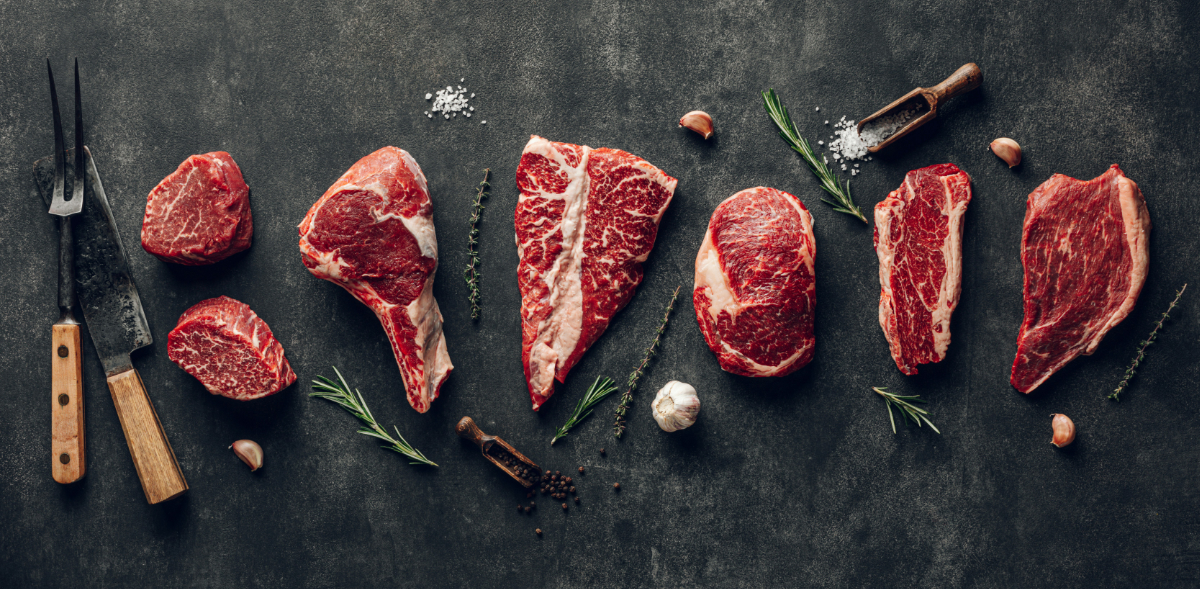
The carnivore diet has become increasingly popular in recent years, with advocates claiming it offers a range of health benefits. This restrictive diet eliminates all plant-based foods and focuses solely on meat, fish, and other animal products. While some people experience weight loss and improved blood sugar control in the short term, the long-term health effects of the carnivore diet are still being researched.

Let’s have a look at the diet, short-term benefits, long-term risks, and who may be suitable candidates for this restrictive eating pattern.

The_carnivore_diet-1024x503 The Carnivore Diet: A Look at Short-Term Benefits, Long-Term Risks, and Who Should Try It

What is the Carnivore Diet?

The carnivore diet is exactly what it sounds like – a diet that consists entirely of meat, fish, eggs, and other animal products. This means eliminating all fruits, vegetables, grains, legumes, nuts, seeds, and dairy products. It began with the ideology that humans are naturally designed to thrive on a meat-based diet.

There are a few variations of the carnivore diet, including:

  • Hardcore carnivore: The strictest version of the diet
  • Standard carnivore: A more moderate version of the diet
  • Keto-carnivore: The most lenient version of the diet
  • Modified carnivore: A less strict version that allows small amounts of low-sugar plant foods like avocado, lettuce, and cucumber

Short-Term Benefits

Some people who switch to the diet experience a range of short-term benefits, including:

  • Weight Loss: The carnivore diet is naturally low in calories and carbohydrates, which can lead to weight loss in the short term. When you cut out sugary drinks, processed foods, and grains, you’re likely to consume fewer calories overall.
  • Improved Blood Sugar Control: The carnivore diet can be beneficial for people with type 2 diabetes or prediabetes. By eliminating carbohydrates, which raise blood sugar levels, the diet can help improve blood sugar control.
  • Reduced Appetite: Protein and fat are both satiating nutrients, and the carnivore diet is rich in both. This can lead to feeling fuller for longer and potentially reducing overall calorie intake.
  • Increased Energy Levels: Some people following the diet report experiencing increased energy levels. This could be due to the elimination of processed foods and refined carbohydrates, which can cause blood sugar spikes and crashes.

It’s important to note that these short-term benefits are based on recent personal accounts and haven’t been extensively studied in long-term clinical trials.

Long-Term Risks

This diet is highly restrictive and eliminates several essential food groups. This can lead to a number of potential health risks in the long term, including:

  • Nutrient Deficiencies: Plant-based foods are a vital source of essential vitamins, minerals, fibre, and antioxidants. Eliminating them from your diet can lead to deficiencies in these nutrients, which can have negative health consequences.
  • Gut Health Issues: Fibre is essential for gut health and promoting the growth of beneficial gut bacteria. The lack of fibre in the carnivore diet can disrupt the gut microbiome and lead to digestive problems.
  • Increased Risk of Chronic Diseases: Some studies suggest that a diet high in red meat and processed meats may increase the risk of heart disease, stroke, and certain types of cancer.
  • Social and Psychological Challenges: The restrictive nature of the carnivore diet can make it difficult to socialize and eat out with friends and family. This can lead to social isolation and potentially unhealthy eating habits in the long run.

Who Should Consider the Carnivore Diet?

It is not for everyone. It’s generally not recommended for people with certain health conditions, such as kidney disease, gout, or liver problems. Additionally, pregnant or breastfeeding women, children, and older adults should avoid the carnivore diet due to the potential for nutrient deficiencies.

If you’re considering trying the carnivore, it’s important to speak with a healthcare professional first. They can help you assess whether the diet is appropriate for your individual needs and develop a safe and balanced plan.

Conclusion

Give it a go if you wish, however, consider your health goals and do not feel that a restrictive diet is the only way to go. As the diet may offer some short-term benefits, such as weight loss and improved blood sugar control. However, the long-term health risks associated with this restrictive diet outweigh the potential benefits for most people. If you’re looking to improve your health, it’s best to focus on a balanced diet that includes a variety of whole, unprocessed foods from all food groups.

Ref

https://www.health.harvard.edu/nutrition/what-is-the-carnivore-diet

https://pmc.ncbi.nlm.nih.gov/articles/PMC8684475

Posted on Leave a comment

Health Over 50: Small Changes That Make a Big Difference

Aging gracefully involves more than just avoiding illness—it’s about thriving, staying active, and living life to the fullest. For Health over 50, small lifestyle changes can benefit your health. These tweaks may include increasing physical activity, adjusting your diet to meet your body’s needs, and changing your supplements.

Healthover50-1024x523 Health Over 50: Small Changes That Make a Big Difference

A Nice Walk

Let’s start with walking, which is one of the simplest and most accessible forms of exercise, making it an good choice for people over 50. Regular walking improves cardiovascular health, boosts mood, strengthens muscles, and enhances bone density. Studies suggest that walking at least 30 minutes a day can reduce the risk of chronic diseases like diabetes, hypertension, and osteoporosis【PMC4210907】.

How to Get Started if you do little walking:

  • Set small goals: Begin with 10–15 minutes a day and gradually increase your duration.
  • Track your steps: Use a pedometer or smartphone app to aim for 6,000–8,000 steps daily.
  • Make it social: Walking with friends or family can boost motivation and make the activity enjoyable.

Adding variety, such as brisk walking or incorporating inclines, can further benefit and challenge your body in new ways.


Good Food

As we age, our nutritional needs change. A balanced diet rich in fibre, antioxidants, and essential nutrients is important to maintain energy levels, preventing chronic diseases, and supporting digestive health.

Fibre: Important for Digestive Health

Fibre plays a vital role in promoting healthy digestion and reducing the risk of heart disease and colorectal cancer. Foods like whole grains, fruits, vegetables, and legumes are excellent sources. According to research, dietary fibre also supports the gut microbiome, which is crucial for overall health【PMC6770889】.

Tips for Increasing Fibre Intake:

  • Replace white bread and pasta with whole-grain versions.
  • Add beans or lentils to soups, salads, or stews.
  • Snack on high-fibre fruits like apples, berries, and oranges.

Strong Bones

Bone health becomes a pressing concern as we age, particularly for women post-menopause. Calcium is essential for maintaining strong bones and preventing osteoporosis. However, many adults over 50 fall short of the recommended daily intake. Harvard Health suggests that men aged 51–70 require 1,000 mg daily, while women of the same age group need 1,200 mg【Harvard Health】.

Calcium-Rich Foods:

  • Dairy products like milk, cheese, and yogurt.
  • Leafy greens such as kale and broccoli.
  • Fortified plant-based milk alternatives.

Vitamin D is equally important as it aids calcium absorption. Sun exposure, fatty fish, and fortified foods are excellent sources.

Soup-1024x682 Health Over 50: Small Changes That Make a Big Difference

Supplements for a Healthy Boost

Even with a well-rounded diet, certain supplements can fill nutritional gaps and support health for those over 50. Here’s a closer look at some key supplements:

1. Coenzyme Q10 (CoQ10):

CoQ10 is a powerful antioxidant that plays a role in energy production and cellular health. As we age, our natural levels of CoQ10 decline, which may contribute to fatigue and reduced heart health. Studies suggest that CoQ10 supplementation can improve cardiovascular function and reduce inflammation【PMC4210907】.

Dosage: 100–200 mg daily, ideally with a meal containing fat for better absorption.

2. Fish Oil:

Rich in omega-3 fatty acids, fish oil supports heart and brain health while reducing inflammation. Omega-3s have also been linked to joint health, making them beneficial for those with arthritis or stiffness.

Dosage: Aim for 1,000–2,000 mg of combined EPA and DHA daily. Look for high-quality, mercury-free fish oil supplements.

3. Calcium:

As highlighted earlier, calcium is crucial for bone strength. While dietary sources should be prioritised, calcium supplements can help those struggling to meet their needs through food alone.

Dosage: Consult your doctor, but do not exceed 500–600 mg per dose to optimise absorption.

4. Digestive Enzymes:

Age-related changes in the digestive system can lead to reduced enzyme production, resulting in bloating, gas, or indigestion. Digestive enzyme supplements can support better nutrient absorption and improve gut health【PMC6770889】.

When to Use: Take enzymes before meals to help digestion, especially for meals rich in protein or fats.

5. Collagen:

Collagen is a protein that supports skin elasticity, joint health, and bone strength. Natural collagen production declines with age, but supplementation can replenish levels and improve joint mobility and skin appearance.

Dosage: 5–10 grams daily, often found in powder form for easy mixing into coffee or smoothies.


Holistic Lifestyle Tips

Beyond diet and supplements, other lifestyle changes can contribute to better health after 50:

1. Prioritise Sleep:

Quality sleep for recovery, mental clarity, and hormonal balance. Aim for 7–8 hours per night, and create a relaxing bedtime routine.

2. Manage Stress:

Chronic stress can exacerbate health issues like hypertension and weaken the immune system. Practices such as meditation, yoga, or deep breathing can help reduce stress.

3. Stay Hydrated:

Dehydration becomes more common with age due to a diminished sense of thirst. Drink water consistently throughout the day to support digestion, joint health, and cognitive function.

4. Engage in Strength Training:

Incorporate resistance exercises at least twice a week to maintain muscle mass, which naturally declines with age. Strong muscles support mobility, balance, and metabolic health.


The Role of Regular Check-Ups

Routine health screenings can catch potential issues early. Talk to your healthcare provider about cholesterol checks, bone density scans, and cancer screenings. Staying proactive ensures that small issues don’t develop into larger problems.


Conclusion

Health over 50 doesn’t require drastic changes. We recommend regular walking, good food with fibre and calcium rich foods, and supplements include CoQ10, fish oil, digestive enzymes, and collagen. Combined with stress management, adequate hydration, and strength training, these small steps can help.

Your journey toward better health starts with small, consistent changes. Over time, these habits will become second nature, allowing you to enjoy the next chapter of life with strength and energy.